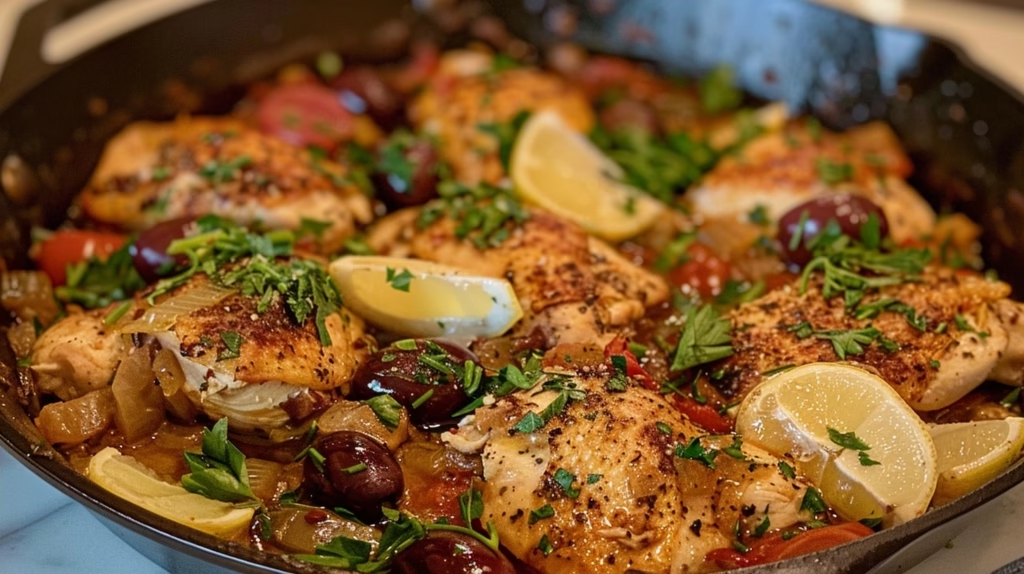
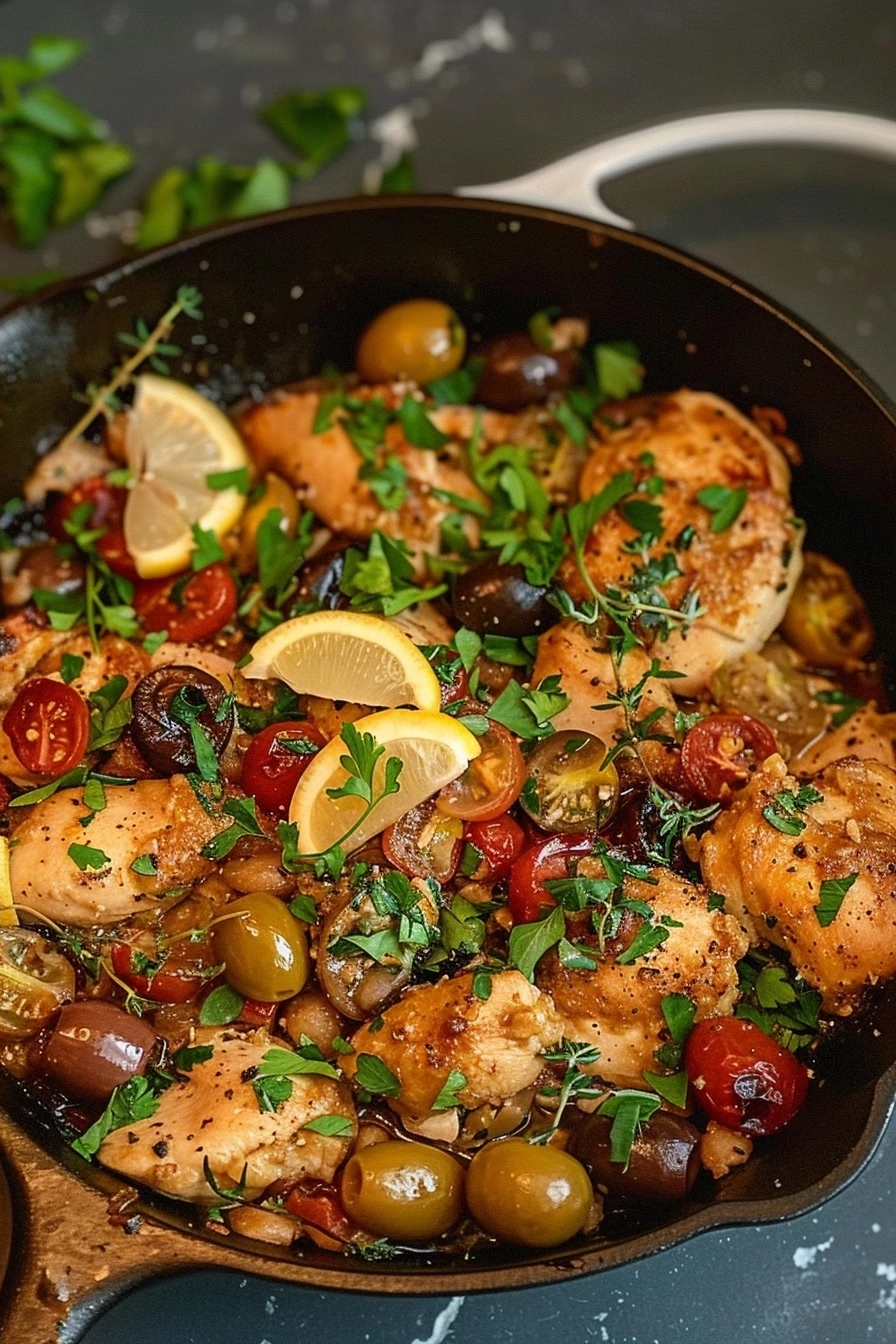
The Chicken Tomato Olive Skillet provides a robust and savory dinner solution that combines juicy poultry with tangy Mediterranean ingredients in one pan. This simple yet sophisticated dish relies on high-quality pantry staples to create a deep, complex sauce that coats every piece of chicken perfectly for a balanced meal.
Introduction to Chicken Tomato Olive Skillet
This culinary creation balances the natural sweetness of ripe tomatoes with the salty, briny punch of kalamata olives to elevate simple chicken breasts into a gourmet feast. The aroma of simmering garlic and herbs fills the kitchen with a warm, inviting scent that promises a satisfying and hearty home-cooked meal for your entire family. Every bite delivers a harmonious blend of textures ranging from the tenderized chicken to the soft, roasted tomatoes and the firm, snappy olives that provide a distinct Mediterranean character. You will appreciate how the juices mingle to form a rich, unctuous sauce that invites you to mop up every drop with a piece of crusty bread.
Originating from the sun-drenched coastal regions of the Mediterranean, this style of skillet cooking emphasizes the importance of fresh, seasonal produce paired with lean proteins. Unlike many heavy cream-based dishes, this recipe celebrates the lightness of olive oil and the intensity of concentrated vegetable essences to define its unique flavor profile. It distinguishes itself from other chicken recipes by eschewing thickeners or artificial additives, relying instead on the reduction of tomato juices to achieve a glossy, professional consistency that rivals fine dining presentations.
This recipe suits busy professionals seeking a nutritious weeknight dinner that requires minimal cleanup while maintaining an elegant aesthetic for guests or special weekend occasions. It deserves a permanent place in your weekly meal rotation because it manages to bridge the gap between quick convenience food and thoughtful, slow-cooked flavor profiles. Beginners will find the process exceptionally forgiving and rewarding, while experienced home cooks can easily experiment with extra herbs or spices to customize the final result to their specific tastes.
Why You’ll Love This Recipe
The star ingredient in this dish is the combination of kalamata olives and cherry tomatoes, which together create an addictive flavor payoff that is both savory and slightly sweet. This specific technique of searing the chicken first and then braising it in the vegetable juices ensures that the meat remains succulent and flavorful throughout the entire cooking process. You will find that this method locks in moisture while allowing the exterior to develop a deep, golden-brown crust that adds significant character to the final presentation.
You will love the textural contrast between the soft, melting tomatoes and the firm, chewy olives, which keeps every mouthful interesting and dynamic. The visual appeal of the vibrant red tomatoes against the deep purple olives and golden chicken creates a stunning plate that looks far more complex than it actually is. This dish satisfies your cravings for something substantial, healthy, and deeply comforting without leaving you feeling sluggish or overly full after the meal concludes.
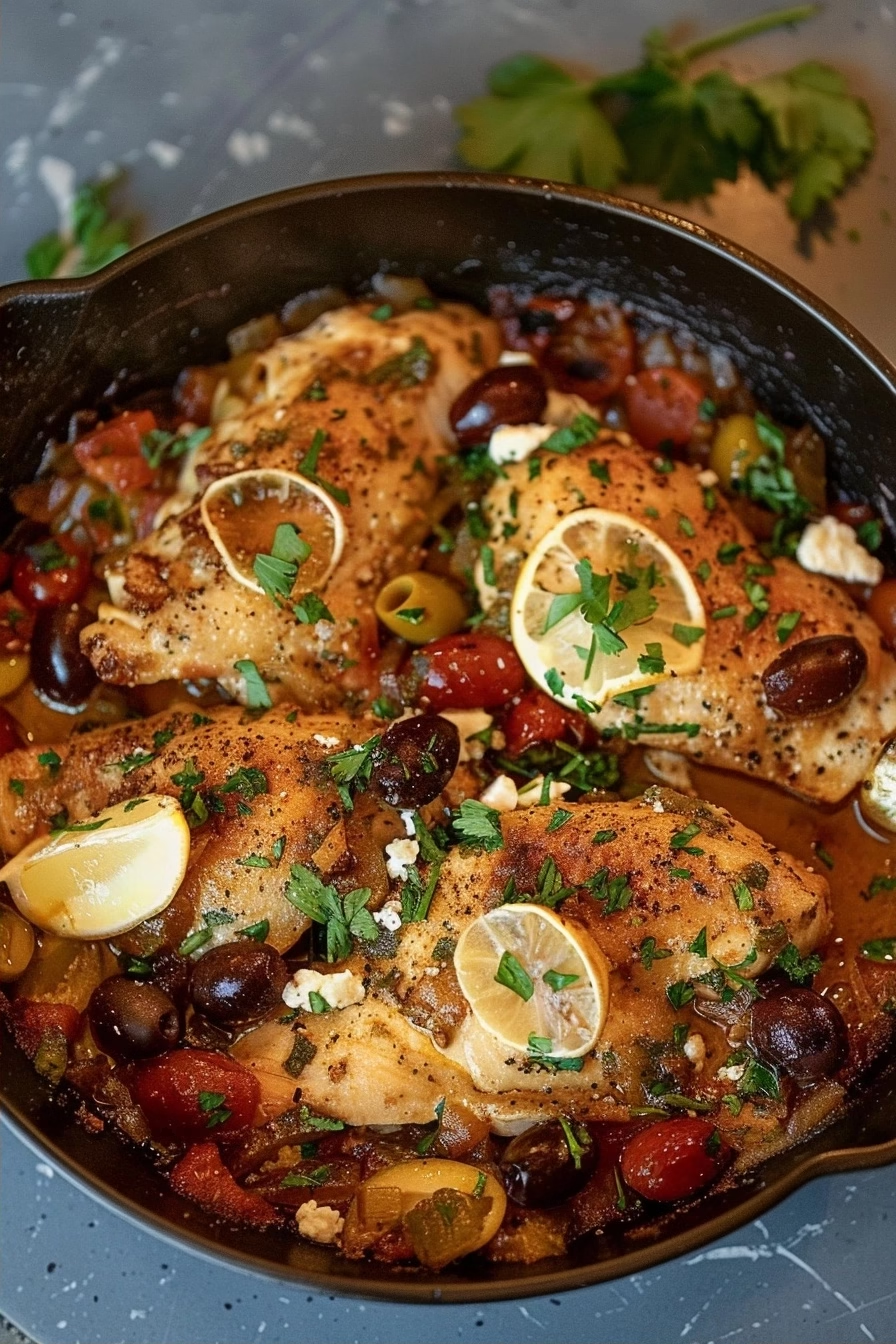
The Perfect Weeknight Dinner
This skillet meal provides a perfect solution for busy evenings because it requires only one pan and is ready to serve in under forty-five minutes from start to finish. The streamlined cooking process minimizes active prep time, allowing you to focus on other tasks while the sauce slowly bubbles away on the stovetop to reach the perfect thickness. You can reliably count on this recipe to provide a consistent, high-quality outcome every single time you decide to prepare it for your household.
The recipe works exceptionally well for meal prep enthusiasts who want to batch cook portions for their healthy lunches throughout the upcoming work week. Families will appreciate the minimal dishwashing required, as the entire meal is prepared in a single vessel, making cleanup faster and more efficient after dinner. Even novice cooks can achieve impressive results by following the straightforward steps, building confidence as they master the art of balancing acidity, salt, and fat in their own kitchens.
Ingredients Needed for Chicken Tomato Olive Skillet
Main Ingredients
The following table outlines the foundational components required to construct the base flavors and textures of this Mediterranean-inspired chicken dish.
| Ingredient | Quantity | Notes |
|---|---|---|
| Chicken Breast | 1.5 lbs | Provides lean protein base |
| Cherry Tomatoes | 2 cups | Adds natural sweetness |
| Kalamata Olives | 1/2 cup | Provides salty briny punch |
| Garlic Cloves | 4 minced | Adds essential aromatic depth |
| Olive Oil | 2 tbsp | Healthy fat for searing |
| Dried Oregano | 1 tsp | Classic Mediterranean herb |
Optional Add-Ins
Customization allows you to tailor this meal to your personal preferences and seasonal availability, making each preparation unique and exciting. Consider adding these items to boost the nutrient density and variety of your skillet dinner.
| Ingredient | Quantity | Notes |
|---|---|---|
| Baby Spinach | 2 cups | Adds vibrant green color |
| Capers | 1 tbsp | Adds sharp tangy notes |
| Red Bell Pepper | 1 diced | Adds crunch and sweetness |
| Crushed Red Pepper | 1/2 tsp | Adds subtle heat levels |
Ingredient Substitutions
- Use boneless, skinless chicken thighs instead of breasts to achieve a higher fat content and more tender, melt-in-the-mouth texture.
- Substitute cherry tomatoes with chopped Roma tomatoes if necessary, though this will result in a chunkier and more rustic sauce consistency.
- Replace dried oregano with fresh basil added at the very end to provide a brighter and more aromatic herb profile to the sauce.
- Swap kalamata olives for Castelvetrano olives if you prefer a milder, buttery taste rather than the sharp intensity of traditional black olives.
Step-by-Step Cooking Instructions
Begin by ensuring all ingredients are chopped and measured before you heat the pan to ensure a smooth and controlled cooking experience. The process follows a logical flow from protein preparation to the creation of a flavorful, cohesive sauce.
Preparing the Protein
Start by patting the chicken breasts dry with paper towels to ensure they achieve a beautiful, golden-brown sear when they hit the hot oil. Season the chicken generously with salt and pepper to establish the foundational flavor profile before searing it in the preheated olive oil. Cook the chicken over medium-high heat until the exterior is browned and crisp, typically taking five minutes per side to achieve the desired color. Remove the chicken from the skillet once it reaches an internal temperature of 165 degrees Fahrenheit, setting it aside to rest while you prepare the remaining components.
Making the Sauce
Add the minced garlic to the same hot skillet, allowing it to sizzle for thirty seconds until fragrant but not browned or burnt. Toss in the cherry tomatoes and cook them until they begin to burst and release their sweet, natural juices into the pan. Stir in the kalamata olives and oregano, letting the mixture simmer gently for five minutes until the tomatoes soften significantly and the sauce thickens slightly. The smell of the roasting garlic and acidic tomatoes should be robust, indicating that the sauce base has reached its peak concentration of flavor.
Assembling the Dish
Return the cooked chicken breasts back into the skillet, nesting them into the tomato and olive mixture to absorb the surrounding juices. Lower the heat to medium-low and cover the pan, allowing everything to heat through together for another three minutes. This final step ensures that the flavors integrate completely and that the chicken remains perfectly moist while it finishes cooking in the residual heat of the sauce. Garnish the finished skillet with fresh herbs if desired before serving the meal directly from the pan for a rustic, home-style presentation.
Pro Tips
Success with this recipe depends largely on controlling the heat to avoid burning the delicate aromatics while searing the protein effectively. Following these specific guidelines will ensure you maintain the integrity of the dish from the initial sear to the final plating stage.
- Always ensure your chicken is at room temperature before cooking, as cold meat will cause the pan temperature to drop and lead to uneven browning. This simple preparation step prevents the chicken from steaming instead of searing, ensuring that perfect golden crust we want.
- Use a heavy-bottomed stainless steel or cast-iron skillet to distribute heat evenly across the surface of the pan. Uneven heat leads to burnt patches on the tomatoes and undercooked sections of chicken that lack proper flavor development.
- Do not overcrowd the pan when searing your chicken breasts, as this creates too much moisture and prevents proper browning. Batch cooking your chicken pieces allows each side to achieve maximum color and flavor without becoming soggy.
- Deglaze your pan with a splash of water or broth after the chicken is finished but before adding the tomatoes to capture the brown bits. Those little pieces of stuck protein are packed with intense flavor and serve as the backbone of your delicious sauce.
- Allow the finished dish to rest for five minutes off the heat before serving it to your guests or family. Resting allows the juices to redistribute throughout the meat, resulting in a more tender and satisfying dining experience for everyone involved.
The most important technique in this entire recipe is the precise control of the tomato reduction process. You must wait until the tomatoes fully release their juices and begin to collapse into a thick, syrupy sauce before adding the chicken back into the pan. If you rush this step, the dish will taste like watery soup rather than a rich, concentrated Mediterranean ragu.
Serving Suggestions and Variations
Pairing with Sides
This dish pairs perfectly with a variety of starches that can effectively absorb the savory tomato and olive sauce. You might consider serving this meal alongside a bed of Lemon Garlic Quinoa, which adds a nice nutty texture to complement the succulent chicken. Alternatively, a side of Roasted Garlic Mashed Potatoes provides a creamy base that contrasts beautifully with the acidic brightness of the tomatoes. For a lighter approach, Herb Roasted Asparagus works wonderfully to round out the plate with a fresh, green crunch that feels sophisticated and healthy.
Creative Variations
You can introduce heat to the dish by adding a tablespoon of chili paste or fresh jalapeños during the aromatic phase of cooking. This adjustment shifts the flavor profile toward a spicy Mediterranean style that pairs well with cooling side dishes. Experimenting with different peppers allows you to find the exact level of warmth that suits your personal palate preferences.
Consider swapping the chicken for firm white fish like cod or halibut for a lighter version that cooks even faster on the stovetop. If you prefer red meat, thinly sliced steak strips work exceptionally well with the acidic tomato sauce, provided you do not overcook the meat. Changing the protein source completely alters the weight of the dish while maintaining the reliable success of the tomato and olive combination.
For more meal inspiration, you might enjoy exploring my recipes for Tomato Basil Zucchini Pasta or Garlic Herb Baked Fish. These options offer similar health benefits and simple preparation styles that busy cooks appreciate. Finish off your wonderful dining experience by serving a refreshing Lemon Sorbet to cleanse the palate after the savory main course.
Nutritional Information
These values represent an approximate analysis based on standard serving sizes and commonly available grocery store ingredients.
| Nutrient | Amount per Serving |
|---|---|
| Calories | 320 kcal |
| Protein | 35g |
| Fat | 12g |
| Carbohydrates | 14g |
| Fiber | 3g |
| Sugar | 6g |
| Sodium | 450mg |
These are approximate values and may vary depending on specific ingredients used.
FAQ
How can I substitute chicken breast if I want more flavor?
You can easily substitute chicken breasts with bone-in, skin-on chicken thighs to achieve a significantly deeper flavor and more succulent texture. These cuts contain more connective tissue and fat, which render out during the cooking process and contribute to a richer sauce. Make sure to increase the cooking time slightly to account for the thickness of the thigh meat. Using thighs also helps keep the meal moist even if the cooking time fluctuates by a few minutes.
Is there a vegetarian version of this recipe?
Yes, you can create a delicious vegetarian version by substituting the chicken with thick slices of hearty portobello mushrooms or firm tofu. These ingredients absorb the tomato and olive sauce beautifully, providing a similar level of satisfaction without the animal protein. Ensure you sear the mushrooms or tofu in the same manner as the chicken to develop a crust. This substitution remains true to the Mediterranean flavor profile while catering to your specific dietary requirements.
How long can I store leftovers in the refrigerator?
You can safely store leftovers of this dish in an airtight container in the refrigerator for up to three days. To ensure the best quality, try to consume the meal within this window to prevent the chicken from becoming too dry. Reheat the leftovers gently on the stovetop over low heat, adding a tiny splash of water if the sauce has thickened too much. Storing the dish properly preserves the integrity of the tomatoes and ensures a tasty meal the next time you serve it.
Can I prepare this dish ahead of time for meal prep?
You can absolutely prepare the tomato and olive sauce base ahead of time and store it separately from the cooked chicken. When you are ready to eat, simply sear the fresh chicken and combine it with the warmed sauce to finish the dish in minutes. This method ensures that the chicken remains fresh and avoids the potential toughness that can occur with over-reheating. This strategy effectively maximizes your time during the busy work week while delivering a high-quality, fresh meal.
What should I do if the sauce is too acidic?
If your sauce tastes too acidic after the tomatoes have broken down, you can balance the flavor by adding a small pinch of sugar. A teaspoon of honey or maple syrup can also work to round out the sharp notes and create a more harmonious flavor profile. Be sure to add these sweeteners sparingly, tasting as you go to avoid making the dish overly sweet. This simple adjustment corrects the acidity level and brings the savory elements of the olives and garlic back into focus.
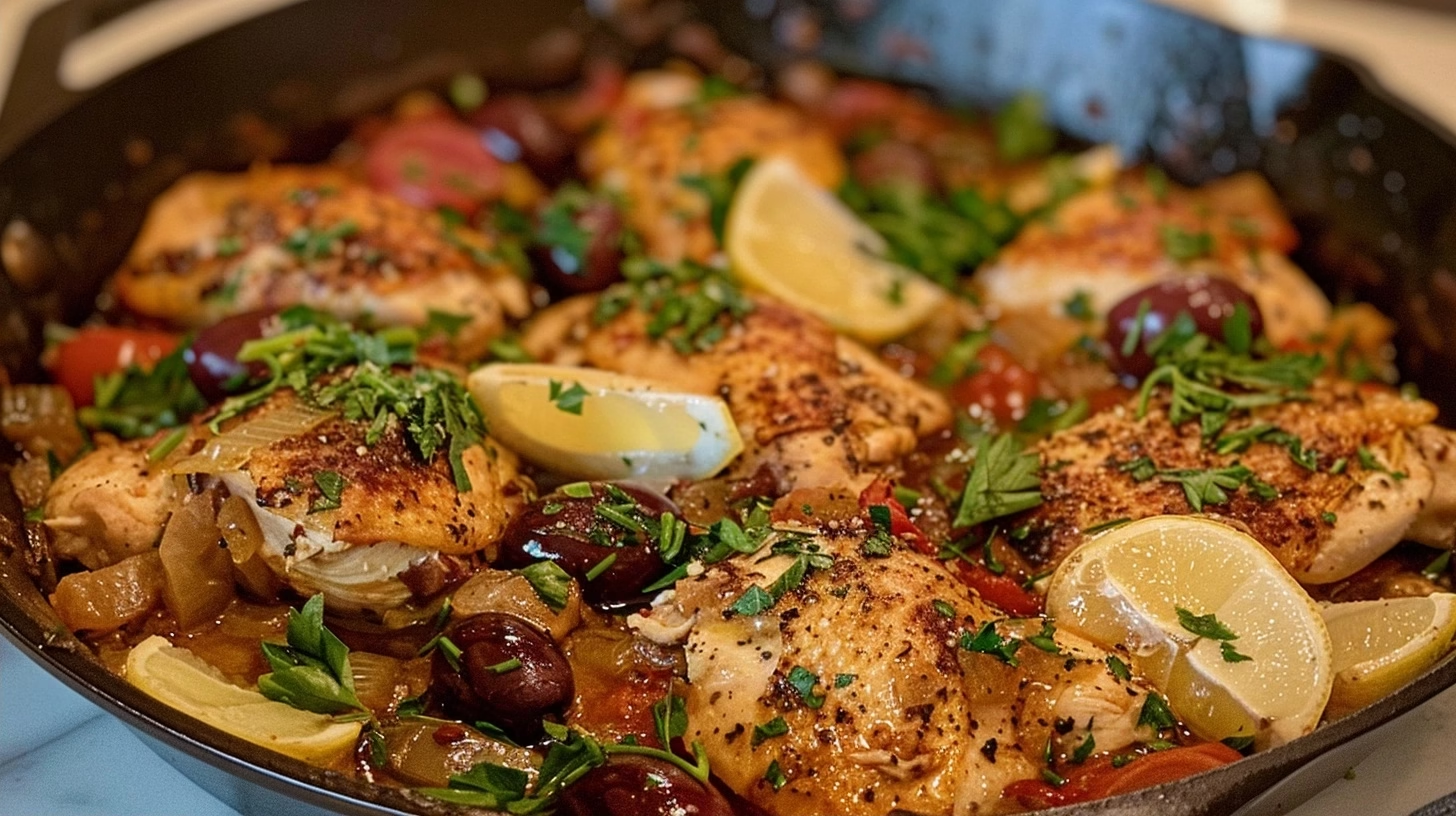
Chicken Tomato Olive Skillet
Ingredients
Method
- Season chicken breasts generously with salt, pepper, and oregano.
- Heat olive oil in a large skillet over medium-high heat.
- Sear the chicken until golden brown on both sides, then remove from the pan.
- Add the cherry tomatoes and garlic to the same skillet, cooking until tomatoes begin to soften and release their juices.
- Return the chicken to the skillet, tucking the kalamata olives around the meat.
- Reduce heat to low, cover, and simmer for 10-12 minutes until chicken is cooked through.
- Remove lid and simmer for an additional 2 minutes to thicken the sauce slightly.
- Garnish with fresh basil and serve warm.
Nutrition
Notes
For extra depth, add a pinch of red pepper flakes during the sautéing of the garlic.
Store leftovers in an airtight container for up to 3 days.
Serve over couscous, quinoa, or with toasted sourdough to mop up the flavorful pan sauce.