
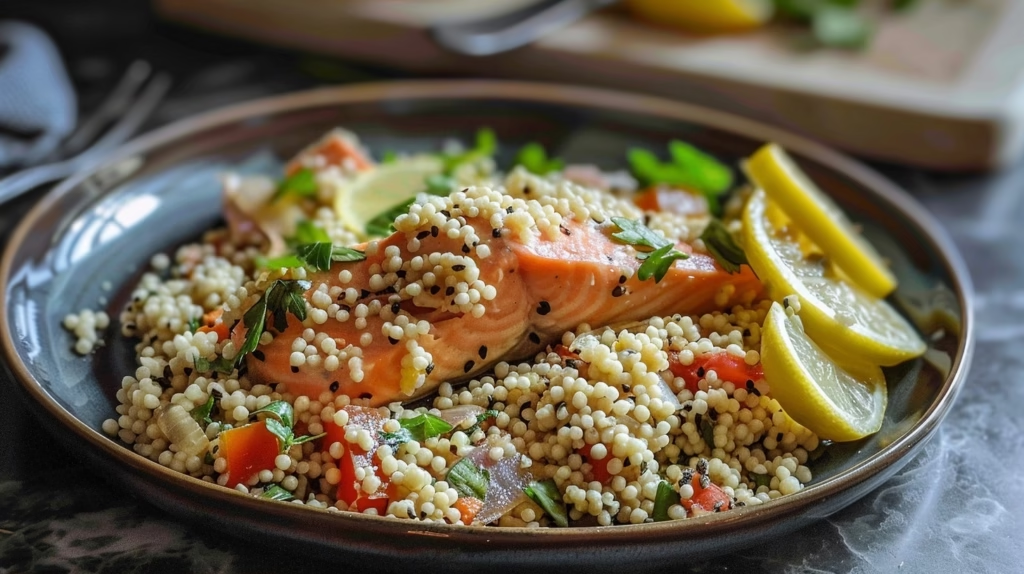
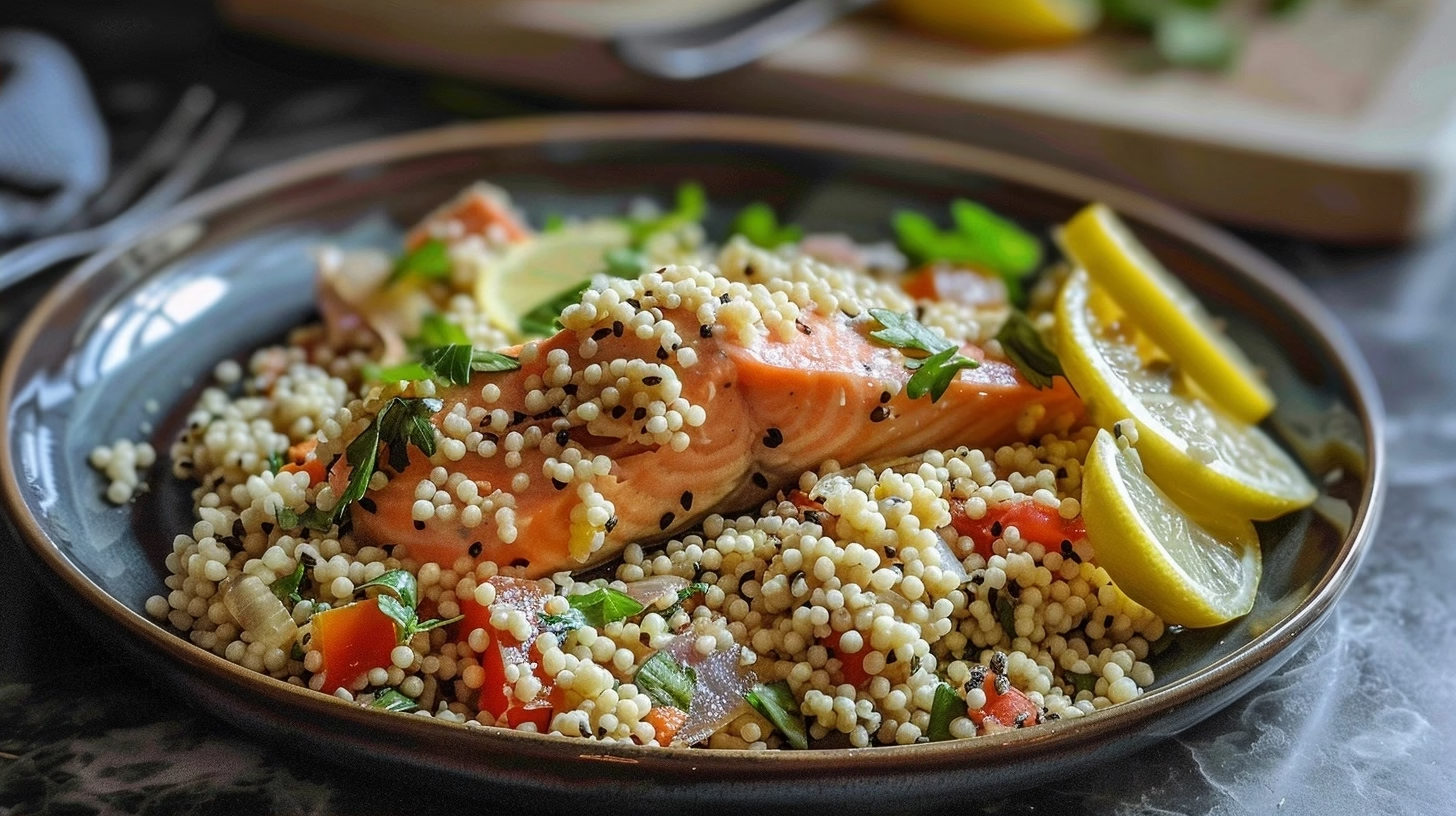
Lemon Herb Salmon Couscous is a vibrant, one-pan Mediterranean-inspired meal featuring tender oven-roasted salmon fillets served over a fluffy bed of zesty herb-infused couscous. This wholesome dish combines high-quality protein with aromatic grains and fresh vegetables to create a balanced, satisfying dinner experience for your entire household.
Introduction to Lemon Herb Salmon Couscous
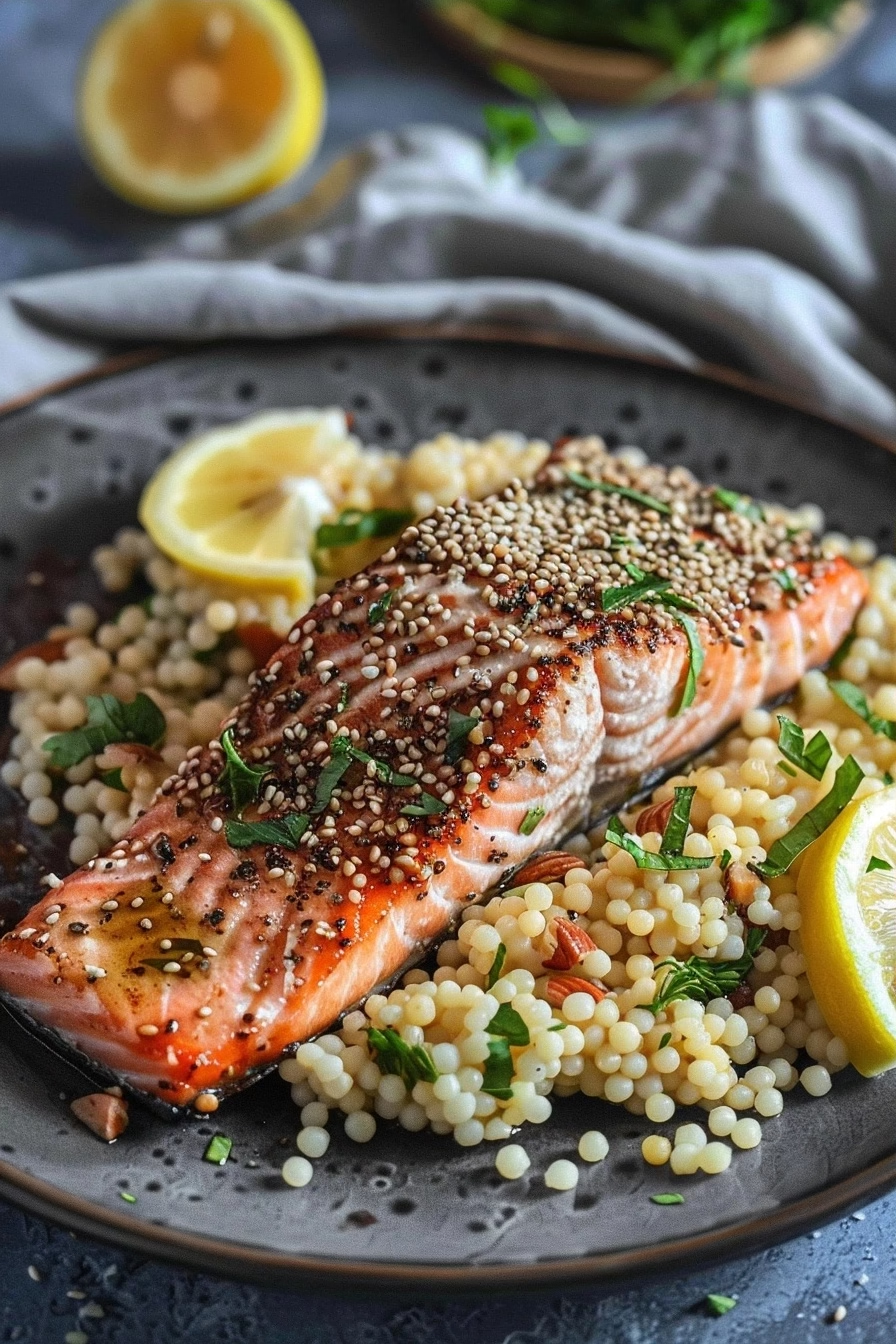
This culinary masterpiece highlights the delicate, buttery texture of Atlantic salmon paired perfectly with the light, airy grains of Moroccan couscous. Each bite offers a refreshing burst of citrus from freshly squeezed lemon juice, which cuts through the richness of the fish to create a harmonious flavor profile. The inclusion of fresh herbs like parsley, dill, and chives provides a vibrant aromatic quality that elevates the entire dish to restaurant-quality standards. You will notice how the grains absorb the seasoned pan juices, resulting in a comforting meal that provides both deep satisfaction and light nourishment.
Originating from the diverse regions of North Africa and the Mediterranean, couscous serves as a foundational element that highlights the versatility of simple, whole ingredients. While many salmon dishes lean towards heavy cream sauces, this approach focuses on the natural synergy between olive oil, citrus, and fresh Mediterranean herbs. It stands apart from traditional pasta or rice dishes because of the unique texture of the steamed semolina, which offers a soft, pleasant mouthfeel without feeling overly dense. This dish celebrates the Mediterranean philosophy of using minimal preparation to maximize the natural, clean flavors inherent in high-quality seafood and seasonal fresh produce.
This recipe suits busy professionals seeking a quick post-work meal, families wanting a healthy weeknight option, and beginner cooks who desire a foolproof way to prepare perfectly cooked salmon. It adapts well to various occasions, ranging from a casual Tuesday dinner to a hosted weekend lunch where you want to impress guests without spending hours standing at the stove. By making this dish a permanent fixture in your weekly rotation, you ensure that you always have a reliable, nutrient-dense, and flavorful option ready when hunger strikes after a long, productive day. Its enduring appeal lies in the ability to balance sophisticated flavor with an uncomplicated cooking process that yields consistent, high-quality results every single time.
Why You’ll Love This Recipe
The star technique involves roasting the salmon directly alongside lemon slices and fresh herbs, which allows the natural oils to infuse the fish as it cooks. This simple method ensures the salmon remains incredibly moist and succulent, preventing the common issue of dry, overcooked fillets often encountered in home kitchens. You will find that the flavor payoff is immediate, as the citrus-infused steam permeates the meat and creates a complex, zesty profile that requires very little seasoning beyond salt and pepper.
The texture contrast between the tender, flaky fish and the delicate, slightly grainy couscous creates an engaging eating experience that keeps every bite interesting from start to finish. Visually, the bright greens of the herbs against the pink salmon and golden grains make this a beautiful presentation that looks elegant on any dinner plate. You will feel truly satisfied because this dish provides an excellent balance of healthy omega-3 fatty acids, complex carbohydrates, and refreshing vegetable components that nourish your body while delighting your palate.
The Perfect Weeknight Dinner
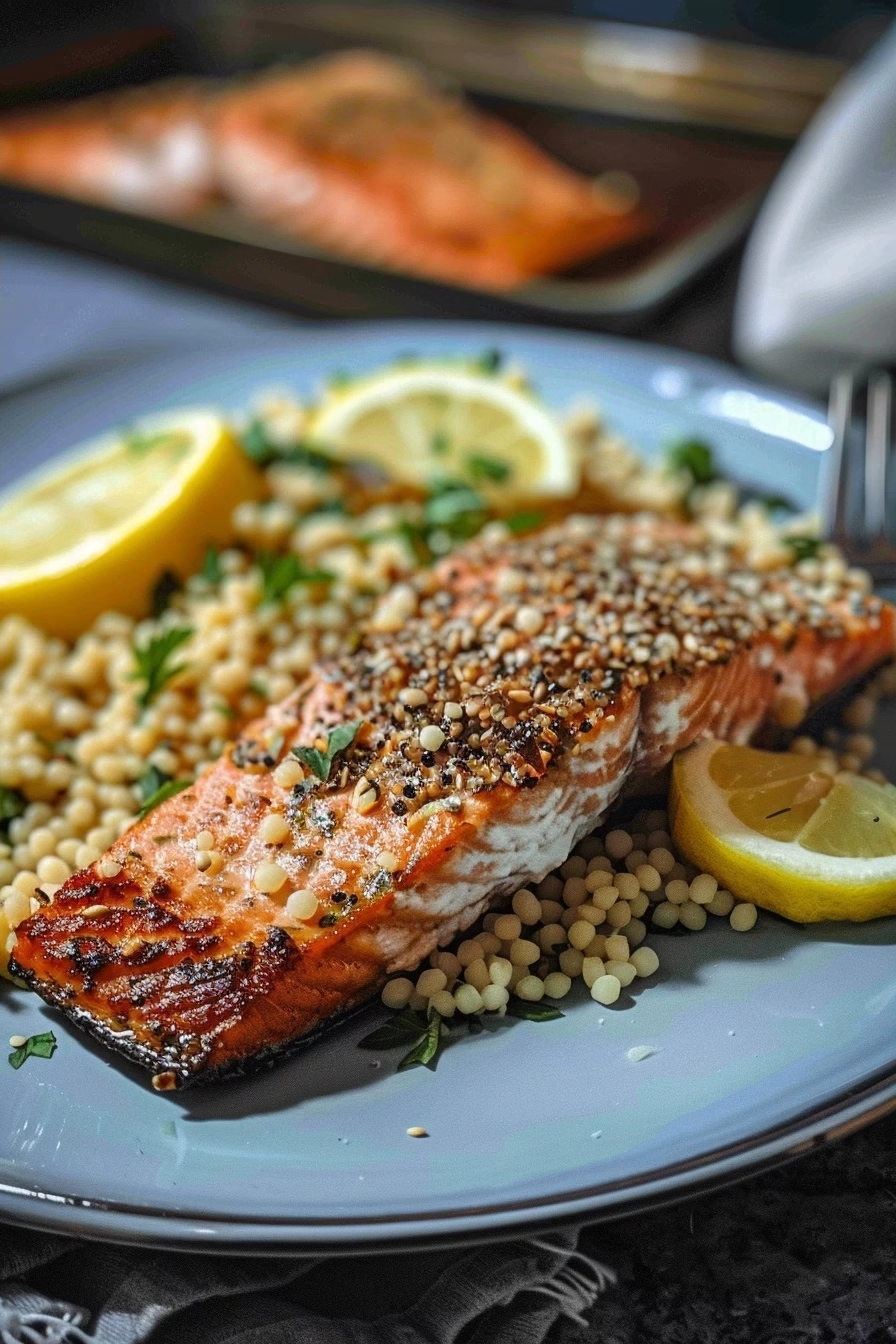
Achieving this meal requires minimal effort, as the entire process from prep to plating is ready in under thirty minutes, making it ideal for your busiest days. The streamlined steps involve only a handful of essential components, reducing your overall cleanup time and allowing you to spend more time relaxing. You will appreciate how the couscous rehydrates almost instantly in hot water, serving as the perfect, low-maintenance base for your seasoned, oven-roasted fish fillets.
This recipe provides an excellent foundation for meal prep, as you can easily scale the quantities to provide healthy lunches for several days throughout your upcoming work week. Families will enjoy the customizable nature of the dish, allowing picky eaters to adjust the amount of herbs or citrus to suit their personal preferences without compromising the integrity of the base meal. Beginners will find the process highly approachable because it relies on standard kitchen equipment, clear cooking cues, and a forgiving roasting technique that delivers successful results with every single attempt.
Ingredients Needed for Lemon Herb Salmon Couscous
Gather the following high-quality components to ensure your dish achieves the perfect balance of texture, moisture, and vibrant herbal brightness required for professional-level results.
Main Ingredients
| Ingredient | Quantity | Notes |
|---|---|---|
| Salmon Fillets | 4 pieces | The central protein source |
| Couscous | 1.5 cups | Provides the hearty base |
| Vegetable Broth | 2 cups | Used to hydrate the couscous |
| Lemon | 2 large | Adds necessary acidity |
| Fresh Parsley | 0.5 cup | Fresh aromatic element |
| Olive Oil | 3 tbsp | Adds richness and sheen |
Optional Add-Ins
Customizing your meal allows you to tailor the nutritional profile and flavor depth to match the specific ingredients currently hiding in your pantry or refrigerator. Consider these additions to add texture and complexity:
| Ingredient | Quantity | Notes |
|---|---|---|
| Cherry Tomatoes | 1 cup | Adds a juicy, sweet burst |
| Kalamata Olives | 0.5 cup | Provides a salty, briny punch |
| Toasted Pine Nuts | 0.25 cup | Adds a delightful crunchy texture |
| Baby Spinach | 2 cups | Increases overall nutrient density |
Ingredient Substitutions
- Replace vegetable broth with hot water and a dash of sea salt if you need a simpler base that lets the lemon flavor shine prominently.
- Swap standard couscous for whole wheat couscous to increase the fiber content and provide a slightly nuttier, more robust flavor profile in every bite.
- Substitute fresh parsley with fresh cilantro if you prefer a sharper, more citrusy herbal note that complements the lemon juice and the salmon very well.
- Use rainbow trout instead of salmon if you prefer a lighter, less fatty protein that still flakes beautifully and absorbs the lemon herb marinade effectively.
Step-by-Step Cooking Instructions
This approach focuses on precision timing to ensure the salmon and couscous reach their peak textures simultaneously for a perfect plating experience. Follow these structured phases to master this healthy and fast dinner dish effectively.
Preparing the Protein
Pat the salmon fillets dry with paper towels to ensure the skin and surface crisp up nicely in the heat of the oven. Season the fillets generously with coarse sea salt and cracked black pepper, pressing the spices gently into the flesh for maximum flavor penetration. Arrange the lemon slices in a thin layer on the baking sheet before placing the salmon directly on top of them. Bake the fish until it turns an opaque pink color and flakes easily under light pressure from a fork, signaling it is perfectly cooked through.
Preparing the Couscous
Bring your vegetable broth to a steady boil in a medium-sized saucepan, ensuring you add a small drizzle of olive oil for added richness. Remove the pot from the heat immediately after the boil starts, stirring in the dry couscous and covering the pot tightly with a lid. Allow the mixture to sit undisturbed for five minutes, which allows the grains to steam in the residual heat until they are perfectly light and fluffy. Use a fork to gently fluff the grains, ensuring there are no large clumps left, then fold in your freshly chopped herbs.
Assembling the Dish
Carefully transfer a large portion of the fluffy, herb-infused couscous onto each individual dinner plate, creating a warm and inviting foundation for the meal. Gently place one roasted salmon fillet directly on top of the couscous bed, making sure to scrape up any flavorful lemon juices left on the baking sheet. Drizzle a tiny bit of extra virgin olive oil over the fish and garnish with a sprinkle of reserved fresh herbs for a professional look. Serve this meal immediately while everything is at its peak temperature to ensure the best possible contrast between the warm fish and the seasoned grains.
Pro Tips
Achieving restaurant results at home comes down to mastering simple techniques that preserve the integrity and moisture of your ingredients during the cooking process. Implementing these expert strategies will significantly improve your consistency and help you avoid common kitchen pitfalls when preparing this delicate seafood recipe.
- Always use high-quality extra virgin olive oil for the final drizzle because the cold-pressed flavor adds a fresh complexity that heat destroys during the cooking phase.
- Ensure you do not overcook the salmon by checking it two minutes before the timer goes off, as residual heat will continue to finish the fish.
- Use a microplane to zest the lemons before slicing them, as the concentrated oils in the zest provide more flavor than the juice alone ever could.
- Always fluff your couscous with a fork rather than a spoon to maintain the light, airy structure that prevents the grains from becoming dense or gummy.
- Let your salmon rest for three minutes after removing it from the oven so the juices redistribute, resulting in a much more tender and succulent bite.
The most important technique is the “carryover cooking” method, which requires you to remove the salmon from the oven the moment the center reaches a soft, flaky texture. Because fish continues to cook after being exposed to air, removing it slightly early ensures the internal portion stays incredibly moist rather than dry and chalky. Mastering this timing allows you to achieve the perfect medium-doneness that keeps the salmon juicy and vibrant every single time you prepare it.
Serving Suggestions and Variations
Pairing with Sides
You can elevate this meal by serving it alongside Crispy Roasted Asparagus, which adds a bright pop of green and a satisfying earthy crunch to the plate. A side of Garlic Lemon Zucchini provides another layer of vegetable-forward goodness that complements the citrus profile of the salmon without being overly heavy or oily. Finally, serve a Refreshing Cucumber Salad on the side to introduce a cooling element that balances the warmth of the grains and the richness of the fish perfectly.
Creative Variations
Introduce heat to your dish by incorporating a teaspoon of red chili flakes into your herb mixture before folding it into the couscous for a subtle, warming kick. You might also add a sprinkle of smoked paprika over the salmon fillets before roasting to provide a deep, earthy dimension that contrasts nicely with the bright lemon. Adjusting the spice level allows you to transform the flavor profile to better suit your preferences while keeping the healthy base consistent across every single version.
Swap the salmon for firm white fish like halibut or cod if you want a cleaner, more delicate main protein that allows the herb seasoning to take center stage. These alternatives absorb the lemon and olive oil beautifully, providing a slightly different texture that remains equally impressive for guests. You can also mix in cooked chickpeas or lentils to the couscous to turn this into a heartier, high-fiber vegetarian meal that is incredibly satisfying and filling.
Explore more of our healthy collection by trying our Zesty Quinoa Salad or our Herb-Roasted Chicken Breast if you need extra variety in your meal plan. For those who enjoy light, refined Mediterranean flavors, our Grilled Vegetable Platter makes an excellent starter for any dinner party. Complete your dining experience with a slice of Lemon Berry Sorbet for a refreshing and light dessert that echoes the bright citrus notes of your main course.
Nutritional Information
These are approximate values per serving based on the standard ingredient measurements provided in this recipe guide.
| Nutrient | Amount per Serving |
|---|---|
| Calories | 480 |
| Protein | 32g |
| Fat | 18g |
| Carbohydrates | 45g |
| Fiber | 4g |
| Sugar | 3g |
| Sodium | 350mg |
These are approximate values and may vary depending on specific ingredients used.
FAQ
Can I substitute dried herbs if I do not have fresh ones available?
You can certainly use dried herbs, but you must reduce the quantity by two-thirds to avoid an overpowering, concentrated flavor profile that might taste dusty. Dried herbs require heat and moisture to release their oils, so stir them into the hot broth before adding the couscous to ensure they rehydrate properly. Fresh herbs provide a much cleaner, more vibrant pop of color and brightness, so add a squeeze of fresh lemon juice at the end to compensate. This substitution ensures you still achieve a great result even when your garden or produce drawer is currently empty.
How can I make this dish suitable for a vegetarian diet?
You can easily make this a vegetarian meal by replacing the salmon fillets with thick-cut roasted cauliflower steaks or firm, marinated tofu slices. Ensure you season these vegetable proteins with the same lemon, herbs, and olive oil combination to maintain the core flavor profile of the dish. Chickpeas or white beans folded into the couscous will provide the necessary protein to keep the meal balanced, filling, and nutritionally dense for all diners. This simple adjustment allows you to serve the same flavorful base to all your guests regardless of their specific dietary preferences.
What is the best way to store leftovers for maximum freshness?
Store your leftovers in an airtight glass container to prevent the delicate couscous from drying out or absorbing unwanted aromas from your refrigerator. You should consume the leftovers within three days to ensure the quality of the fish remains high and the texture of the grains stays fresh. When you are ready to eat again, reheat the dish gently in the microwave with a tiny splash of water or broth to restore the moisture to the couscous. This storage method keeps your lunch or dinner tasting almost as good as it did when you first prepared it.
Can I prepare the couscous in advance for a busy week?
You can absolutely prepare the couscous base several days in advance, as it stores remarkably well and stays fluffy even after being chilled. Simply cook the couscous as directed, allow it to cool to room temperature, and store it in a sealed container until you are ready to assemble your final meal. When you need a quick dinner, just roast the fresh salmon while you gently warm the couscous in a small pot with a splash of liquid. This make-ahead strategy saves you significant time during the work week without compromising the quality of your finished lemon herb salmon couscous.
Why did my couscous turn out clumpy or mushy instead of fluffy?
Your couscous likely turned out clumpy because you used too much liquid relative to the amount of dry grain, or you failed to fluff it properly with a fork. Always maintain a one-to-one ratio of couscous to liquid to ensure the grains hydrate perfectly without becoming waterlogged and heavy. Adding a small amount of oil to the water before boiling helps keep the grains separated as they steam, resulting in the desired light and airy texture. Proper technique requires you to let the grains rest covered for five minutes before fluffing, as this allows the steam to distribute evenly throughout the pot.
Lemon Herb Salmon Couscous
Ingredients
Method
- Preheat your oven to 400°F (200°C).
- Place the salmon fillets on a parchment-lined baking sheet and season with salt, pepper, and a drizzle of olive oil.
- Arrange lemon slices directly over and around the salmon fillets.
- Roast in the oven for 12-15 minutes until the salmon is opaque and flakes easily with a fork.
- While the salmon roasts, bring the vegetable broth to a boil in a medium saucepan.
- Remove the broth from heat, stir in the couscous, cover tightly with a lid, and let sit for 5 minutes.
- Fluff the couscous with a fork and stir in the fresh parsley, dill, and chives.
- Serve the roasted salmon over the bed of herb-infused couscous.