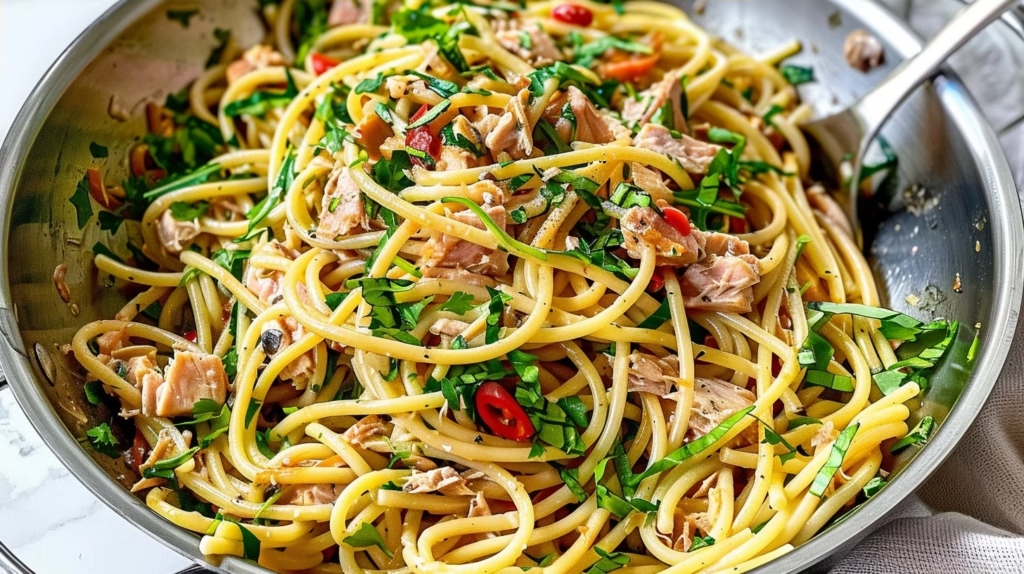
Mediterranean Tuna Pasta serves as a nutrient-dense meal featuring high-quality canned tuna, briny olives, capers, and fresh herbs tossed with al dente pasta. This classic dish provides a balanced combination of healthy fats, lean proteins, and complex carbohydrates to fuel your entire day effectively. Its simplicity ensures that busy home cooks can create a restaurant-quality dinner without spending hours inside a kitchen.
Introduction to Mediterranean Tuna Pasta
This culinary masterpiece combines the bold flavors of the Mediterranean coast into a singular, cohesive bowl that brings warmth and comfort to your table. You will experience the sharp, salty punch of capers paired perfectly with the earthiness of sun-ripened olives and the subtle richness of flaked tuna. The aromatic scent of fresh garlic and toasted olive oil creates an inviting environment that immediately signals the start of a satisfying, homemade dinner experience. Each bite offers a harmonious blend of textures, ranging from the firm bite of perfectly cooked noodles to the soft, savory flakes of high-quality fish.
Originating from the coastal regions where fresh ingredients and pantry staples merge, this dish stands out due to its reliance on accessible, long-lasting components. Unlike heavy cream-based sauces that mask the natural flavor of ingredients, this recipe celebrates the purity of extra virgin olive oil and fresh lemon juice. Chefs across the globe appreciate this specific preparation because it honors traditional Mediterranean cooking methods while adapting seamlessly to the modern lifestyle of a contemporary home kitchen. It remains a timeless staple because it avoids overly complicated techniques while still delivering a complex profile that feels sophisticated and intentional in its execution.
This recipe suits anyone looking for a reliable, nutritious, and incredibly flavorful meal that fits perfectly into a demanding weekly schedule. Whether you are a busy parent preparing dinner for family members or a solo professional needing a quick post-work meal, this pasta provides consistent quality every single time. It deserves a permanent place in your recurring dinner rotation because it minimizes food waste by utilizing versatile pantry staples that you likely already possess. By learning this technique, you gain a dependable method to produce a gourmet dinner in less time than it takes to order local food delivery services.
Why You’ll Love This Recipe
The star ingredient, high-quality canned tuna, provides an incredible depth of savory umami flavor that serves as the perfect foundation for this light sauce. You will notice how the saltiness from the olives and capers elevates the fish without requiring long marination times or complex preparations. This efficiency results in a clean, bright, and vibrant flavor profile that feels refreshing and satisfying rather than heavy or overly greasy on the palate.
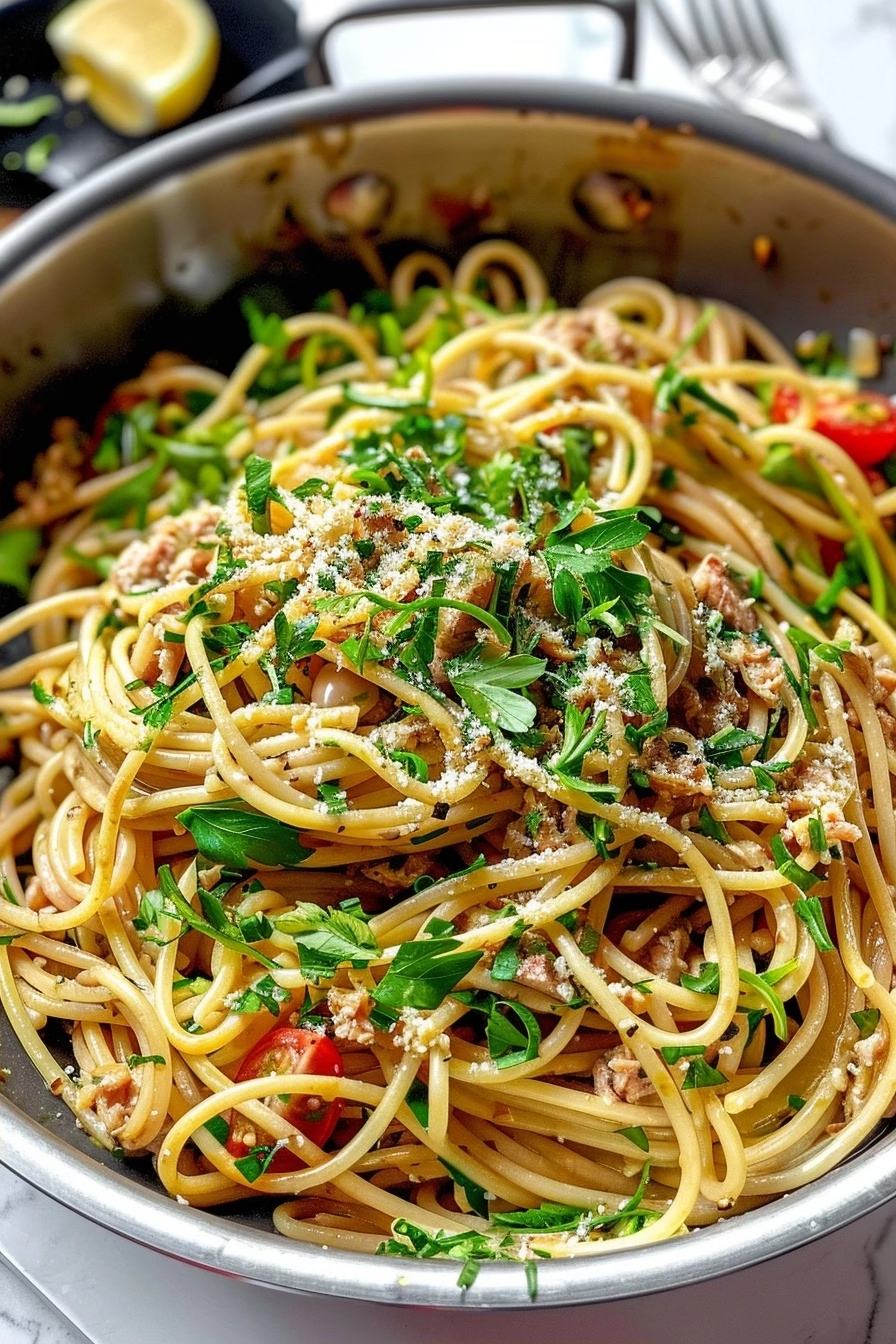
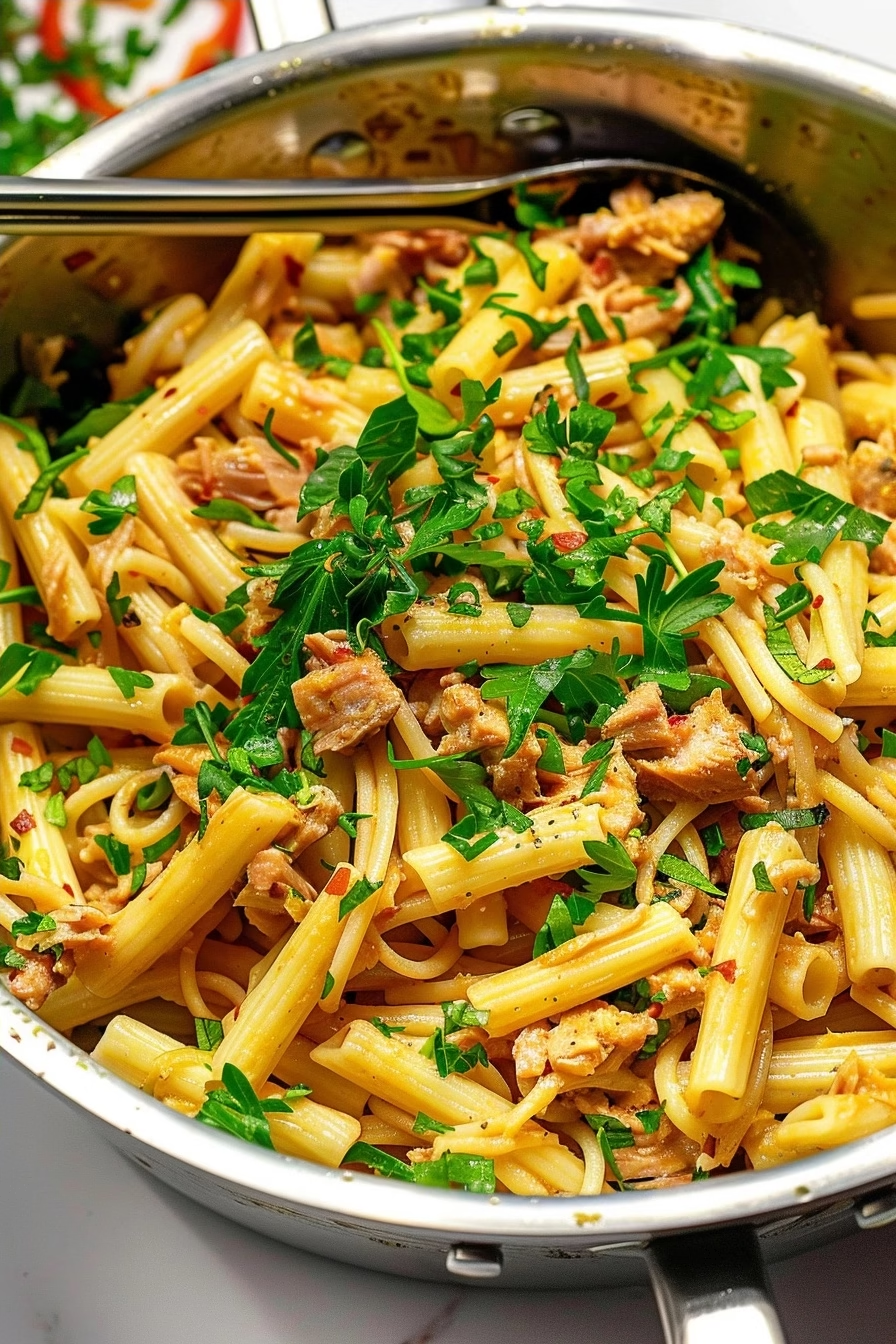
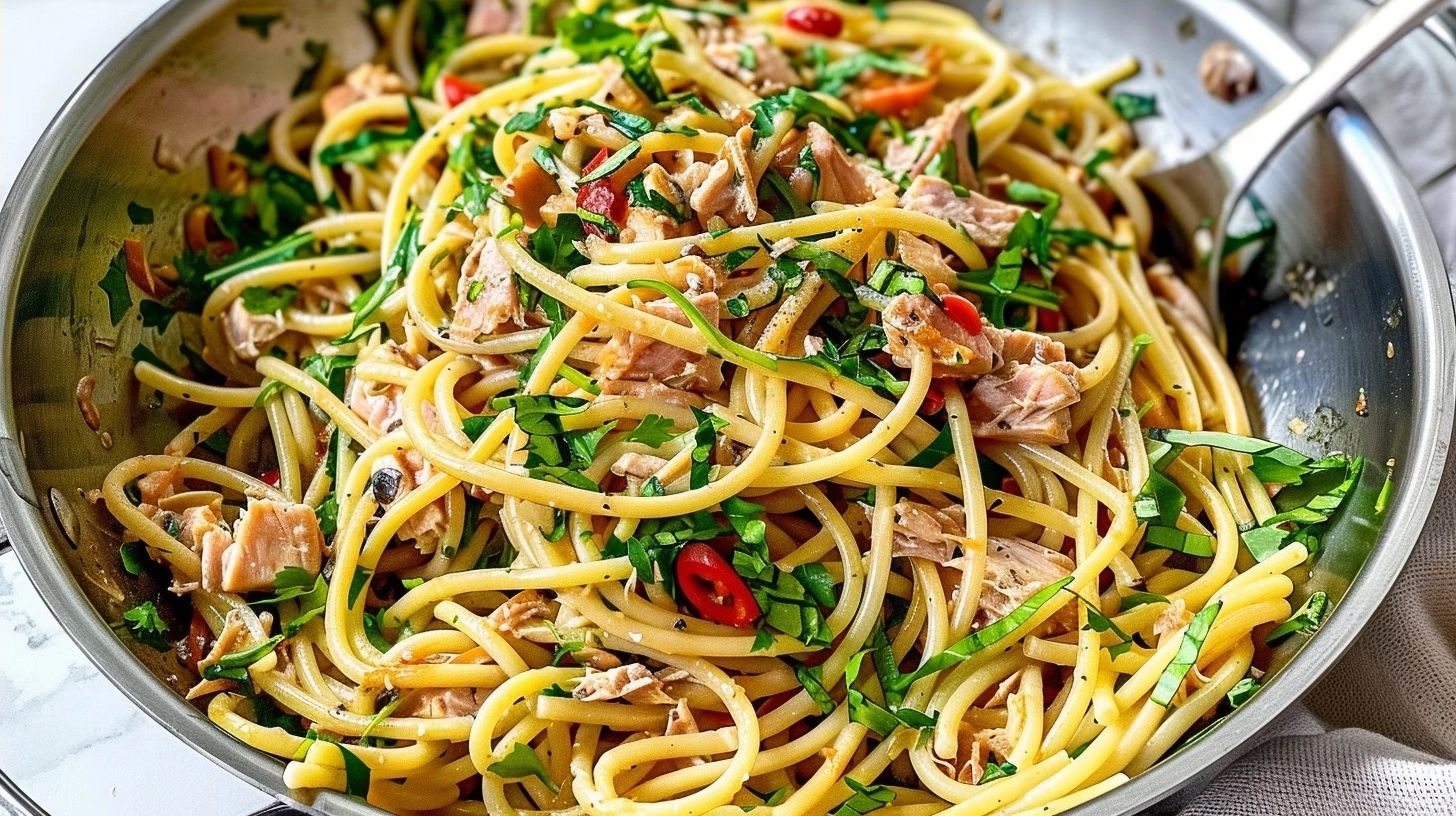
You will appreciate the delightful contrast between the silky, oil-coated pasta and the tender, meaty chunks of tuna throughout the entire bowl. The visual appeal remains stunning, with vibrant green parsley and dark olives creating a colorful presentation that looks like a professional meal from an upscale eatery. Eating this dish satisfies your hunger on multiple levels, combining the tactile joy of hearty noodles with a light, nutritious profile that keeps you energized throughout the evening hours.
The Perfect Weeknight Dinner
This recipe achieves total perfection in under thirty minutes, requiring very few active steps to transition from raw ingredients to a finished hot meal. You simply boil the water for your pasta while simultaneously preparing the flavor base, meaning you save significant time compared to traditional, labor-intensive pasta recipes. Because the steps are so streamlined, you can focus on enjoying the process of cooking rather than feeling overwhelmed by complex, multi-stage instructions or demanding, high-heat techniques.
Busy families will find this meal to be a lifesaver because it works exceptionally well for meal prep and stores beautifully inside the refrigerator for future lunches. Beginner cooks can master this dish quickly, as the process involves fundamental skills like boiling pasta, chopping herbs, and basic sautéing in a pan. By maintaining a well-stocked pantry with these specific ingredients, you ensure that a delicious, homemade dinner is always within reach regardless of how hectic your afternoon becomes.
Ingredients Needed for Mediterranean Tuna Pasta
Main Ingredients
The following table outlines the foundational components required to build the essential flavor profile of this nutritious Mediterranean classic dish.
| Ingredient | Quantity | Notes |
|---|---|---|
| Pasta | 12 oz | Provides the structural base |
| Canned Tuna | 2 cans | Main source of lean protein |
| Extra Virgin Olive Oil | 4 tbsp | Adds richness and healthy fats |
| Garlic | 3 cloves | Base flavor and aromatic depth |
| Kalamata Olives | 0.5 cup | Adds saltiness and Mediterranean essence |
| Capers | 2 tbsp | Provides a sharp, vinegary punch |
| Fresh Parsley | 0.25 cup | Provides brightness and color |
| Lemon Juice | 2 tbsp | Adds necessary acidity to cut fat |
Optional Add-Ins
Customization allows you to tailor the flavor intensity and texture profile to suit your personal preferences or specific dietary requirements. Feel free to experiment with these additions to discover how different ingredients can transform the basic version of this pasta into something uniquely your own.
| Ingredient | Quantity | Notes |
|---|---|---|
| Red Pepper Flakes | 0.5 tsp | Adds a gentle heat |
| Cherry Tomatoes | 1 cup | Provides sweetness and moisture |
| Spinach | 2 cups | Adds volume and extra nutrients |
| Toasted Pine Nuts | 2 tbsp | Adds a nutty crunch |
Ingredient Substitutions
- Pasta: Use whole wheat or chickpea pasta to increase fiber content and adjust the overall texture to be slightly denser or earthier.
- Canned Tuna: Substitute with canned salmon or flaked cooked white fish to change the primary protein source while maintaining a similar nutrient profile.
- Kalamata Olives: Use black mission olives or green olives to alter the intensity of the saltiness and the overall visual appearance of the finished dish.
- Fresh Parsley: Swap for fresh basil or fresh oregano to shift the herb profile toward a different regional style within the Mediterranean family.
Step-by-Step Cooking Instructions
This approach prioritizes efficiency by coordinating the pasta boiling process with the sauce creation to minimize total time spent in the kitchen. Follow these steps sequentially to ensure each ingredient reaches its peak flavor potential before combining them into your final, beautiful serving bowl.
Preparing the Protein and Base
Start by heating your extra virgin olive oil in a large skillet over medium heat until it shimmers and moves easily across the pan surface. Add your minced garlic and sauté until it turns a light golden color and releases a fragrant, savory aroma that fills your kitchen space. Gently fold in the drained tuna, taking care to break it into large, visible flakes rather than creating a fine, uniform mush. Continue cooking for two minutes until the tuna absorbs the garlic-infused oil and begins to smell toasted and warm to the touch.
Creating the Mediterranean Sauce
Introduce the olives and capers to the pan, stirring them in to ensure an even distribution throughout the warm tuna mixture. Allow these ingredients to simmer for another two minutes so their salty, acidic flavors can permeate the oil and create a complex sauce base. You will notice the color deepening as the olives soften slightly and release their essential oils into the pan, thickening the sauce naturally. Finally, squeeze fresh lemon juice over the mixture and remove it from the heat, ensuring the acidity remains bright and does not evaporate.
Assembling the Dish
Combine your cooked, al dente pasta directly into the skillet with the prepared sauce base using a pair of sturdy tongs. Toss the ingredients vigorously over low heat to ensure every strand of pasta receives a generous coating of the flavorful oil and herb mixture. If the pasta seems too dry, add a small splash of the reserved pasta water to loosen the sauce and create a glossy, cohesive finish. Remove from heat immediately, garnish with fresh parsley, and serve while the steam still carries the bright, refreshing scent of the lemon and herbs.
Pro Tips
Maximizing the quality of your ingredients significantly impacts the final result, so always choose high-quality olive oil and sustainably sourced tuna. Small adjustments in your technique can lead to massive improvements in how the pasta interacts with the flavorful sauce during assembly.
- Always reserve a half cup of starchy pasta water before draining your noodles, as this liquid acts as the perfect binding agent for your sauce.
- Use your hands to gently flake the tuna instead of a spoon to ensure you maintain nice, meaty texture throughout the final dish.
- Toast your garlic slowly to prevent burning, as bitter garlic can ruin the entire flavor profile of the delicate tuna-based sauce.
- Add fresh herbs only at the very end to ensure they maintain their vibrant color and sharp, herbaceous punch in every bite.
- Cook the pasta one minute less than the package instructions indicate to ensure it maintains a firm bite after it absorbs the warm sauce.
The most important technique in this recipe is emulsifying the pasta water with the olive oil to create a light, luxurious sauce. By vigorously tossing the hot pasta with the reserved water, you create a microscopic emulsion that clings perfectly to each strand of noodle. This simple yet vital step prevents the dish from feeling dry or greasy while ensuring consistent flavor in every single bite.
Serving Suggestions and Variations
Pairing with Sides
This dish pairs perfectly with fresh, light accompaniments that contrast the savory nature of the tuna and olives. You can serve this with a crisp Garden Green Salad to add a cooling crunch to the meal. A side of Garlic Roasted Broccoli provides an earthy vegetable component that complements the garlic notes within the pasta base. Finally, a few slices of toasted Crusty Sourdough Bread act as the perfect vehicle for soaking up any remaining sauce left on your plate.
Creative Variations
Increase the heat by incorporating fresh chili peppers or doubling the red pepper flakes during the initial garlic sautéing process. This creates a bold, spicy background that lingers on the palate and balances the richness of the olive oil. Taste your sauce after adding the peppers to ensure the spice level aligns with your personal heat tolerance preferences.
Swap the tuna for pan-seared scallops or cooked shrimp to transform this pantry meal into a celebratory seafood feast for special occasions. These delicate proteins offer a different texture and absorb the Mediterranean flavors differently than canned fish, creating a refined eating experience. Ensure you cook these proteins separately before tossing them into the finished pasta at the very end to avoid overcooking them.
For more meal ideas, check out our Lemon Herb Chicken or Roasted Mediterranean Vegetables recipes for consistent flavor profiles. Finish your meal with a scoop of Vanilla Bean Gelato to provide a sweet, creamy end to a savory Mediterranean-inspired dinner. These additions create a complete dining experience that feels cohesive and professionally curated.
Nutritional Information
The following figures represent approximate values per serving based on the ingredients and proportions provided in this recipe.
| Nutrient | Amount per Serving |
|---|---|
| Calories | 480 kcal |
| Protein | 28g |
| Fat | 16g |
| Carbohydrates | 55g |
| Fiber | 4g |
| Sugar | 2g |
| Sodium | 650mg |
These are approximate values and may vary depending on specific ingredients used.
FAQ
Can I use dried herbs if fresh ones are unavailable?
You can certainly use dried herbs, but you must reduce the amount by half to prevent an overpowering flavor concentration. Dried herbs are much more potent than fresh ones because the dehydration process intensifies the aromatic compounds within the plant leaves. Add the dried herbs during the oil-sautéing phase so the heat can properly bloom the oils and release the full depth of flavor. This simple adjustment ensures your Mediterranean Tuna Pasta retains its balanced profile without the herbaceous intensity becoming too dominant in the final dish.
What is the best way to keep this pasta fresh?
Store your leftovers in an airtight glass container inside the refrigerator for up to three days to maintain peak flavor and texture. Ensure the pasta has completely cooled to room temperature before securing the lid to prevent condensation from turning the noodles into a soggy mess. When reheating, add a tablespoon of water or a small drizzle of fresh olive oil to revitalize the sauce and prevent sticking. This method guarantees that your meal remains just as delicious on the second or third day as it was when freshly prepared.
How can I make this dish vegetarian?
You can create a delicious vegetarian version by substituting the tuna with marinated artichoke hearts or chickpeas for a different but equally satisfying texture. These ingredients mimic the savory, salty bite of the original recipe while maintaining the Mediterranean theme and overall nutritional balance. Ensure you drain the artichokes or chickpeas thoroughly to prevent excess liquid from watering down your olive oil sauce during the final assembly. This variation provides a wonderful plant-based alternative that remains hearty enough to serve as a main course for any night of the week.
Can I prepare this meal in advance?
You can prepare the sauce base several hours in advance and store it in the refrigerator until you are ready to cook the pasta. This strategy saves significant time during a busy evening when you only need to boil the noodles and perform the final toss. Keep the sauce in a separate container and gently warm it in the skillet before adding the freshly cooked, hot pasta to the mix. Following this make-ahead approach helps you maintain the integrity of the pasta while keeping the meal prep process incredibly efficient and stress-free.
Why does my pasta taste bland after mixing?
If your pasta tastes bland, you likely did not salt the pasta water sufficiently, which is the only chance you have to season the noodles internally. Always add enough salt to your boiling water so it tastes reminiscent of the ocean, as this ensures the pasta itself provides a flavorful foundation. Additionally, make sure to taste the finished sauce before adding the pasta to adjust the lemon juice, salt, or pepper according to your palate. Properly seasoning every single component before they merge ensures that the final result is bold, bright, and delicious rather than underwhelming or flavorless.
Mediterranean Tuna Pasta
Ingredients
Method
- Bring a large pot of salted water to a boil and cook pasta according to package directions until al dente.
- While the pasta cooks, heat the olive oil in a large skillet over medium heat.
- Add the minced garlic and red pepper flakes to the skillet and sauté for 1-2 minutes until fragrant but not browned.
- Stir in the drained tuna, olives, and capers, gently breaking up the tuna into large chunks.
- Drain the pasta, reserving about 1/4 cup of the cooking water.
- Add the cooked pasta to the skillet, tossing well to coat with the oil mixture.
- Add the reserved pasta water, lemon juice, and fresh parsley, tossing again to emulsify the sauce.
- Season with salt and pepper to taste and serve immediately.