
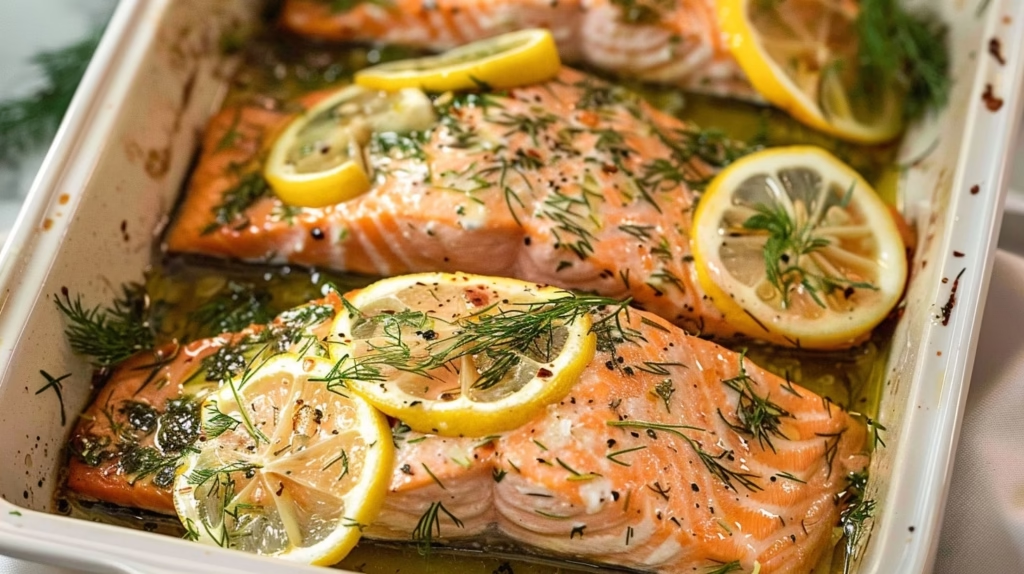
Baked Lemon Dill Salmon is a flavorful and nutritious meal featuring fresh fish fillets seasoned with bright citrus and aromatic herbs. This oven-baked dish creates a perfect balance of flaky protein and vibrant acidity for a healthy dinner. Whether you are hosting a formal gathering or preparing a quick weeknight supper, this recipe ensures a delicious result every time you cook it.
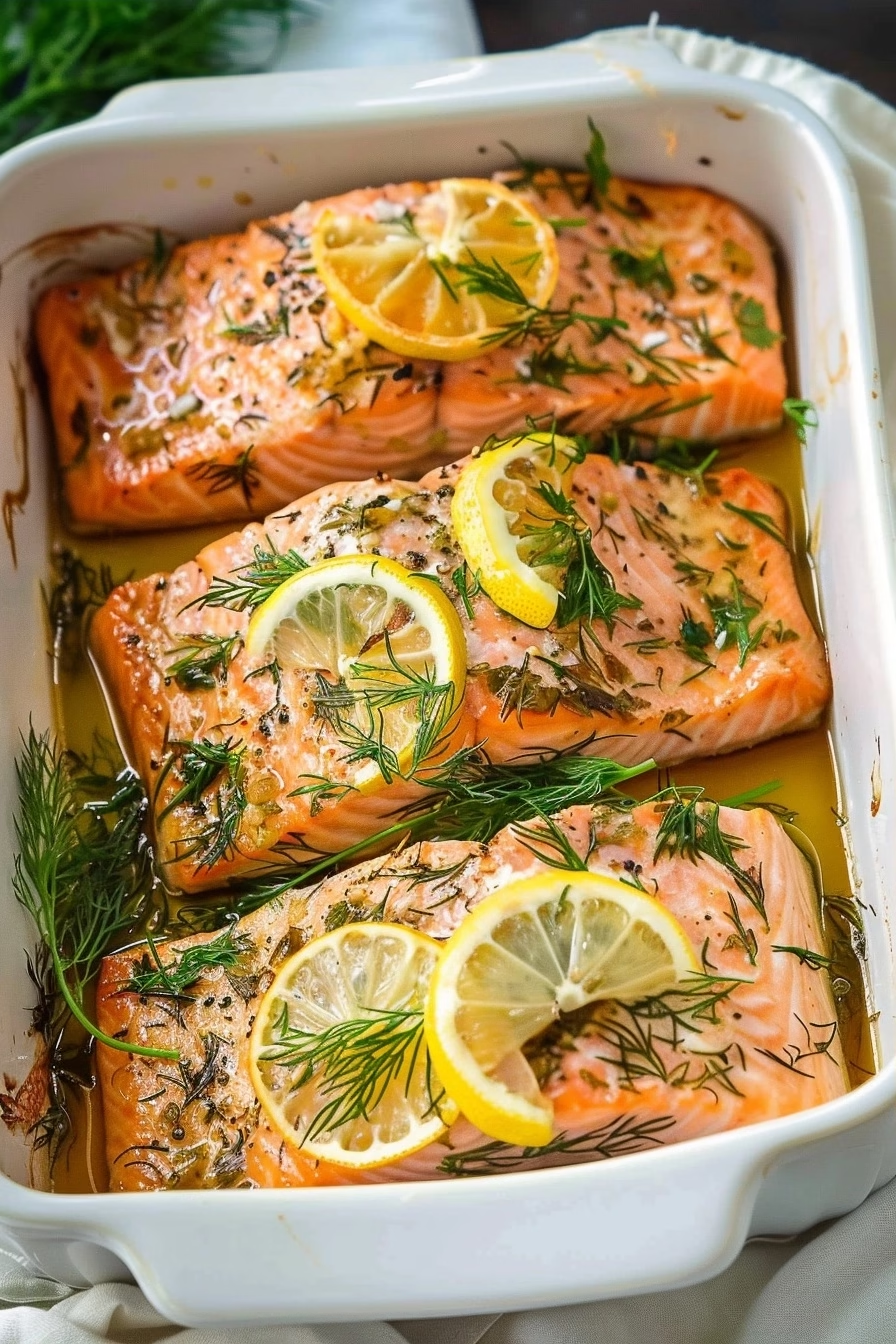
Introduction to Baked Lemon Dill Salmon
Baked Lemon Dill Salmon offers a sensory experience defined by its tender, buttery texture and the invigorating scent of fresh herbs. The combination of zesty lemon juice and earthy dill creates a classic flavor profile that enhances the natural richness of high-quality salmon fillets. Each bite provides a subtle contrast between the crisp, slightly browned edges and the succulent, melt-in-your-mouth interior of the perfectly baked fish. You will find that this dish feels both comforting and sophisticated, making it a reliable staple for any home cook looking for consistent quality.
This dish reflects the timeless Mediterranean approach to culinary preparation, where simple ingredients are highlighted rather than masked by heavy sauces or complex cooking techniques. Salmon has long been a centerpiece in coastal cuisines, and the addition of lemon and dill is a hallmark pairing that spans many traditional cooking styles. By choosing to bake the salmon rather than frying or searing it, you preserve the delicate nutritional profile of the omega-3 fatty acids. This preparation method stands out because it minimizes mess in the kitchen while maximizing the depth of flavor in the final presentation.
This specific recipe is designed for busy professionals, families managing tight schedules, and novice cooks who want to build confidence in their kitchen skills. It suits any occasion ranging from a standard Tuesday night dinner to an elegant weekend feast shared with friends and extended family members. Once you master the timing and seasoning ratios, this dish will undoubtedly earn a permanent place in your weekly meal rotation as a dependable favorite. You can rely on this simple process to deliver a healthy, professional-grade meal without requiring hours of labor or expensive specialty ingredients.
Why You’ll Love This Recipe
The star ingredient of this dish is the fresh Atlantic salmon, which provides a clean and fatty base that absorbs the vibrant citrus notes exceptionally well. Using fresh dill rather than dried herbs adds a bright, grassy aroma that elevates the entire culinary experience to a higher level. This simple technique ensures that you achieve restaurant-quality results while keeping the preparation process straightforward and accessible for every home cook.
The texture contrast between the tender, flaky salmon and the slight crunch of the citrus zest creates a satisfying mouthfeel that keeps you coming back for more. Visual appeal is equally important, as the bright yellow lemon slices against the pink salmon and vivid green dill make the dish look stunning when plated. This meal satisfies on multiple levels by providing deep, savory flavors alongside a clean finish that leaves you feeling energized after eating.
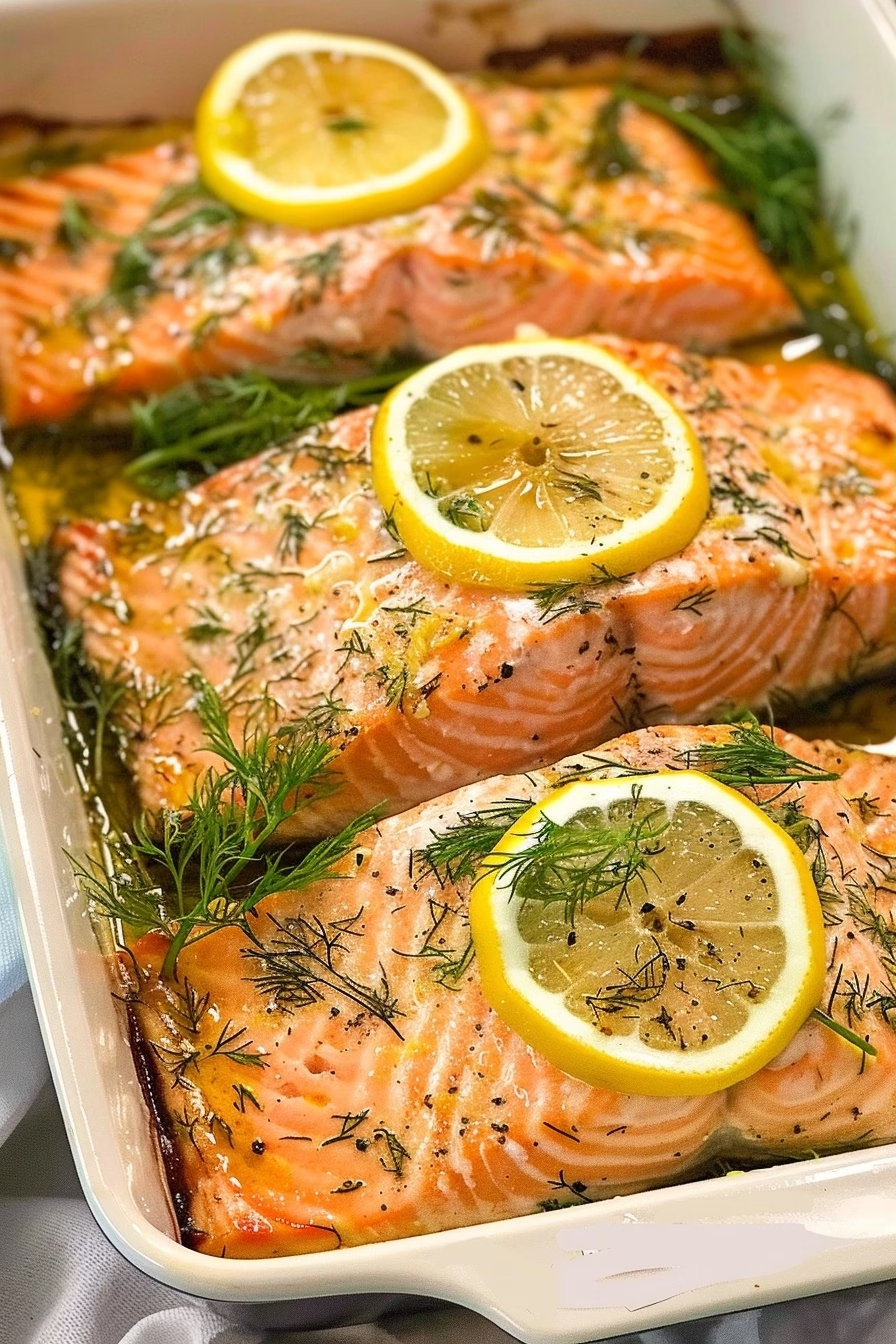
The Perfect Weeknight Dinner
Preparing this meal is incredibly efficient because the entire process takes less than forty minutes from the first slice to the final plating. You only need a single sheet pan or baking dish, which drastically reduces the amount of time you spend washing dishes after dinner is finished. The combination of high heat and precise timing ensures the salmon reaches a perfect internal temperature while the herbs infuse the meat with flavor.
This recipe works exceptionally well for meal prep, as individual portions can be easily stored in airtight containers for healthy lunches throughout the working week. Busy families appreciate how the hands-off baking method allows them to focus on preparing simple side dishes or spending time together while the oven works its magic. Beginner cooks will find the instructions straightforward, providing a rewarding win that builds culinary skills and reinforces the joy of cooking from scratch at home.
Ingredients Needed for Baked Lemon Dill Salmon
Main Ingredients
The following ingredients provide the foundation for a flavorful, succulent, and perfectly seasoned baked salmon dish that anyone can prepare with confidence.
| Ingredient | Quantity | Notes |
|---|---|---|
| Salmon Fillets | 4 pieces | The primary source of protein |
| Fresh Dill | 1/4 cup | Provides aromatic and earthy flavor |
| Lemon | 2 large | Adds necessary acidity and freshness |
| Olive Oil | 2 tablespoons | Ensures moisture and browning |
| Garlic | 3 cloves | Adds savory and pungent undertones |
| Sea Salt | 1 teaspoon | Enhances all natural food flavors |
Optional Add-Ins
Customization allows you to tailor the flavor profile of your salmon to suit your specific palate or to accommodate different ingredients currently available in your pantry. These additions provide extra texture or bold flavor accents that make the recipe feel like a completely new experience every single time.
| Ingredient | Quantity | Notes |
|---|---|---|
| Capers | 1 tablespoon | Adds a burst of salty tang |
| Red Pepper Flakes | 1/2 teaspoon | Introduces a subtle background heat |
| Dijon Mustard | 1 tablespoon | Provides a creamy, sharp glaze |
| Sliced Shallots | 1/2 cup | Offers a mild, sweet onion depth |
Ingredient Substitutions
You can easily adapt this recipe based on your current pantry availability or personal dietary preferences by using the following common ingredient substitutions.
- Fresh dill can be replaced by fresh parsley or cilantro to change the herbal profile to a more bright or citrus-forward flavor.
- Olive oil can be substituted with avocado oil if you require a higher smoke point for high-temperature roasting or crisping techniques.
- Lemon slices can be swapped for lime if you prefer a sharper, more tropical acidity that pairs well with added chili peppers.
- Minced garlic can be substituted with garlic powder if you are in a rush, though fresh cloves provide a superior flavor intensity.
Step-by-Step Cooking Instructions
Cooking this recipe requires careful attention to the heat levels and the quality of your ingredients to ensure a moist and tender final product. By following these structured phases, you will master the art of baking fish perfectly every time you enter the kitchen.
Preparing the Protein
Begin by patting your salmon fillets completely dry with paper towels to ensure the seasonings adhere properly to the surface of the meat. Place the fillets skin-side down on a parchment-lined baking sheet to prevent any sticking while they cook in the hot oven. Rub the fish with olive oil, minced garlic, and salt to create a flavorful barrier that protects the delicate protein. Inspect the salmon to ensure all pin bones have been removed, as this significantly improves the eating experience for your guests.
Applying the Aromatics
Generously cover each salmon fillet with chopped fresh dill, pressing the herbs gently into the oil so they stay in place during the baking process. Arrange thin slices of lemon directly over the top of the herbs, which allows the juices to infuse the salmon as it heats up. This layering technique acts as a natural poaching method that keeps the center of the fillet incredibly moist and tender. Ensure that your lemon slices are cut thin enough to lie flat, which prevents them from burning during the extended cooking period in the oven.
Baking the Salmon
Preheat your oven to 400 degrees Fahrenheit to ensure an even bake that crisps the edges while keeping the middle perfectly succulent. Slide the baking sheet into the center rack of the oven and monitor the fish for approximately twelve to fifteen minutes depending on the thickness of your fillets. The salmon is done when the flesh flakes easily with a fork and turns an opaque pink color from edge to edge. Remove the sheet from the oven immediately to prevent carryover heat from drying out the delicate protein before you are ready to serve the meal.
Pro Tips
Achieving the perfect bake relies on subtle adjustments that make a massive difference in the texture and overall quality of your finished dish. Follow these professional guidelines to ensure that your home cooking consistently delivers high-level results that rival your favorite local restaurants.
- Always use high-quality, fresh salmon from a reputable market to ensure the best flavor profile and firm texture. Skipping this step often results in fish that tastes muddy or has an unappealing, mushy consistency after baking.
- Allow the salmon to sit at room temperature for ten minutes before placing it in the oven for uniform cooking. This simple practice prevents the edges from drying out before the thickest part of the fillet is properly cooked.
- Use a meat thermometer to check the internal temperature of the thickest part of the fish, aiming for 145 degrees Fahrenheit for safety. If you skip this, you run the risk of undercooking the fish or accidentally overcooking it until it becomes tough.
- Avoid overcrowding the baking sheet so that the air can circulate freely around each piece of salmon for even browning. Overcrowded pans create steam instead of heat, which prevents the fish from developing a desirable, slightly crisp exterior.
- Let the salmon rest for three minutes on the counter before serving to allow the internal juices to redistribute evenly throughout the fillets. Cutting into the fish immediately causes the juices to escape, which significantly reduces the succulence and overall moisture content of each bite.
The most important technique in this recipe is maintaining precise control over the oven temperature and the cooking duration of the fish. By utilizing a probe thermometer and avoiding the temptation to over-bake, you ensure the internal protein structure remains tender and flavorful. Mastery of this timing technique will guarantee that your Baked Lemon Dill Salmon stays moist, flaky, and delicious for every single meal you prepare.
Serving Suggestions and Variations
Pairing with Sides
Pairing your salmon with light and vibrant side dishes completes the meal and highlights the citrus notes of the herb-crusted fish. You should serve this with a side of Roasted Garlic Asparagus to add a crunchy, green element that complements the delicate nature of the salmon. Adding a small bowl of Lemon Herb Quinoa provides a nutty, satisfying base that soaks up any excess juices from the baking pan. Finally, a crisp side salad dressed with light vinaigrette rounds out the meal by adding a refreshing palate cleanser that contrasts the richness of the fish.
Creative Variations
If you prefer a spicy profile, add a generous pinch of cayenne pepper or crushed red pepper flakes to the oil mixture before applying it to the fish. This simple addition creates a bold heat that plays beautifully against the cooling effect of the fresh dill and bright lemon juice. Adjust the heat level based on your personal preference to ensure that the spices do not overpower the natural flavor of the salmon.
Consider swapping the salmon for other firm white fish such as cod, halibut, or sea bass for a completely different texture and flavor experience. These alternative proteins are excellent at absorbing the lemon and dill aromatics while providing a lighter and milder tasting main course for dinner. You can even experiment with adding thin slices of fennel bulb under the fish to introduce a mild, licorice-like sweetness to the finished dish.
For more recipes that emphasize fresh ingredients, check out our collections of Mediterranean Baked Cod and Herb-Roasted Chicken Thighs for your next meal planning session. These dishes share a focus on simple, high-quality preparation that fits perfectly into a busy lifestyle. As a sweet finish to your evening, try pairing your meal with a light Berry Sorbet to cleanse the palate after the savory dinner.
Nutritional Information
These values are approximate and represent the typical composition per single serving of the prepared salmon fillet as described in this recipe.
| Nutrient | Amount per Serving |
|---|---|
| Calories | 320 |
| Protein | 34g |
| Fat | 18g |
| Carbohydrates | 3g |
| Fiber | 1g |
| Sugar | 1g |
| Sodium | 450mg |
These are approximate values and may vary depending on specific ingredients used.
FAQ
Can I substitute dried dill for fresh dill in this salmon recipe?
You can substitute dried dill for fresh dill, but you should use significantly less since dried herbs are more concentrated. Use one teaspoon of dried dill to replace the quarter cup of fresh dill called for in the recipe instructions. Fresh dill provides a superior grassy aroma and a more delicate texture that is difficult to replicate with dried alternatives. Adjust the amount based on your preference for the intensity of the herbal flavor profile in the finished fish.
Is this dish suitable for those following a low-carbohydrate or keto diet?
This dish is naturally low in carbohydrates and fits perfectly into most ketogenic or low-carb dietary frameworks. Each serving contains minimal sugar and starch, primarily coming from the lemon juice and natural aromatics used in the seasoning. It provides a healthy dose of high-quality fats and proteins that keep you full and satisfied throughout your day. You can enjoy this salmon alongside non-starchy vegetables like broccoli or spinach to maintain your dietary goals without sacrificing flavor.
How long can I safely store leftovers in the refrigerator?
You can safely store leftover salmon in an airtight container in the refrigerator for up to three days after cooking. Ensure that the fish has cooled completely to room temperature before placing it into the container to prevent condensation from affecting the texture. When you are ready to eat the leftovers, reheat them gently in a low-temperature oven or a skillet until warmed through. Avoid microwaving the fish if possible, as high heat can quickly turn the delicate protein into a dry and tough meal.
What is the best way to make this dish ahead of time for a dinner party?
You can prepare the salmon and seasonings ahead of time by keeping the fillets in the refrigerator until fifteen minutes before you intend to bake them. Prepare the oil, garlic, and dill mixture in advance and store it in a small bowl until you are ready to assemble the pan. Pre-slicing the lemons and arranging everything on the baking sheet allows you to finish the meal quickly once guests arrive. This strategy reduces your time in the kitchen and ensures you can focus on socializing while the oven handles the actual cooking process.
What should I do if the salmon fillets are uneven in thickness?
If your salmon fillets vary in thickness, fold the thinner tail end of the fish under the fillet to create a uniform block of protein. This technique, known as tucking, ensures that the entire piece cooks at the same rate and reaches the correct internal temperature simultaneously. Placing the thicker part of the fillets toward the outside of the baking sheet also helps with even cooking, as these areas often receive more intense heat. Using a probe thermometer remains the most reliable way to ensure even the thickest fillets are perfectly cooked throughout without any dry edges.
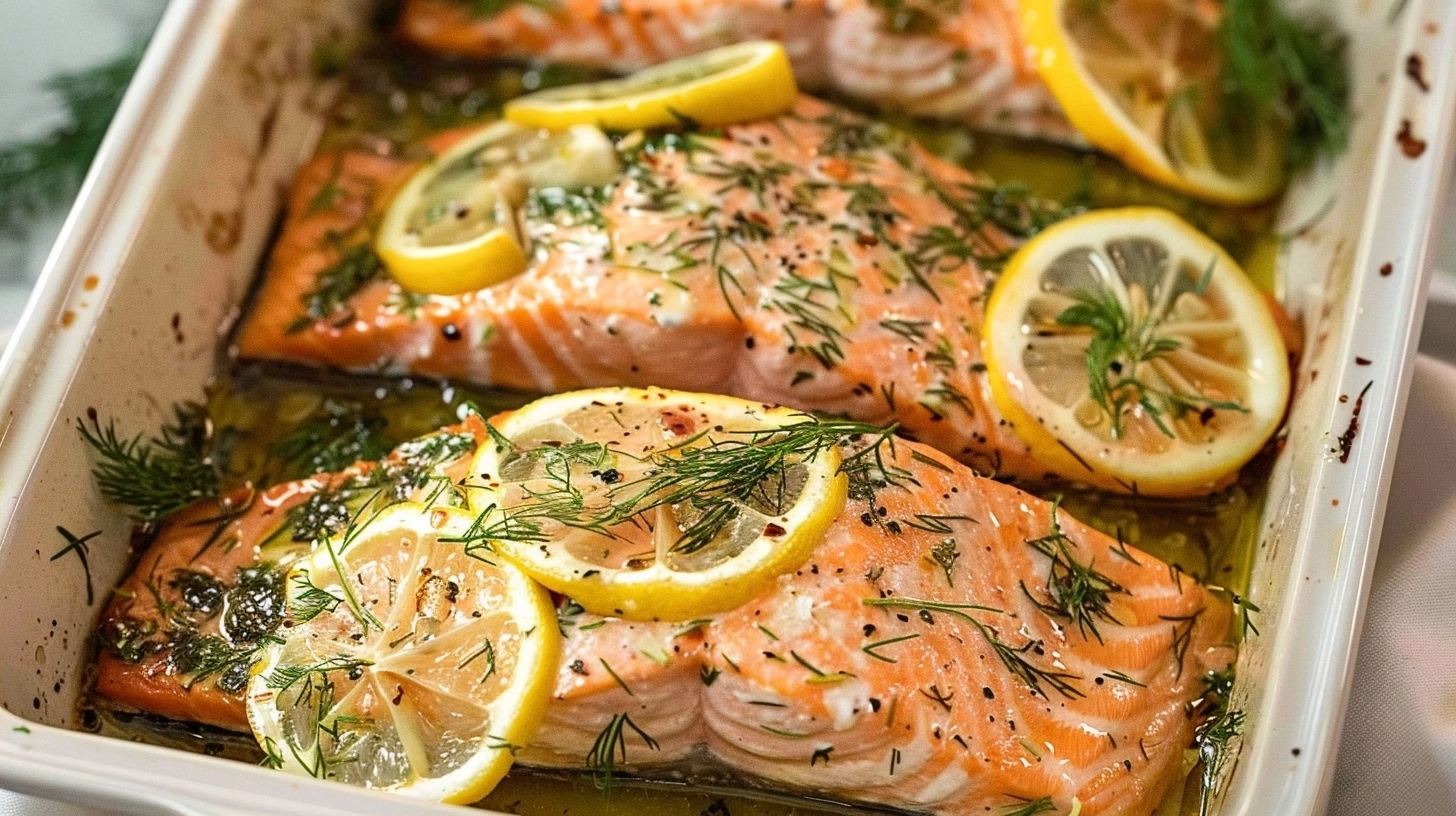
Baked Lemon Dill Salmon
Ingredients
Method
- Preheat your oven to 400°F (200°C) and line a baking sheet with parchment paper.
- Pat the salmon fillets dry with paper towels and place them on the prepared baking sheet.
- In a small bowl, whisk together the olive oil, lemon juice, lemon zest, minced garlic, salt, and pepper.
- Brush the lemon-garlic mixture evenly over the top of each salmon fillet.
- Sprinkle the fresh chopped dill generously over the fillets.
- Place a slice of lemon on top of each fillet.
- Bake for 12 to 15 minutes, or until the salmon is opaque and flakes easily with a fork.
- Serve immediately while warm.