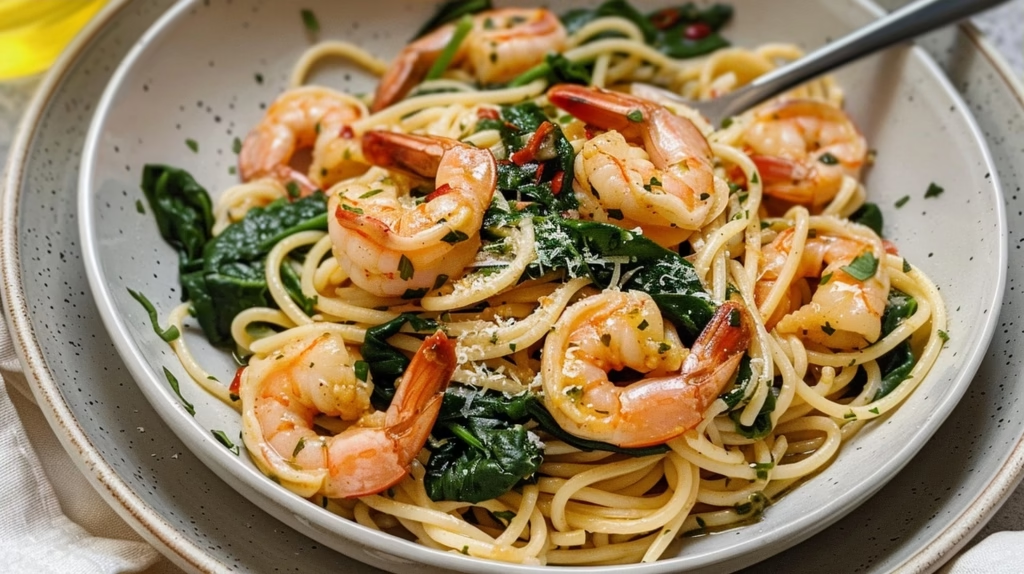
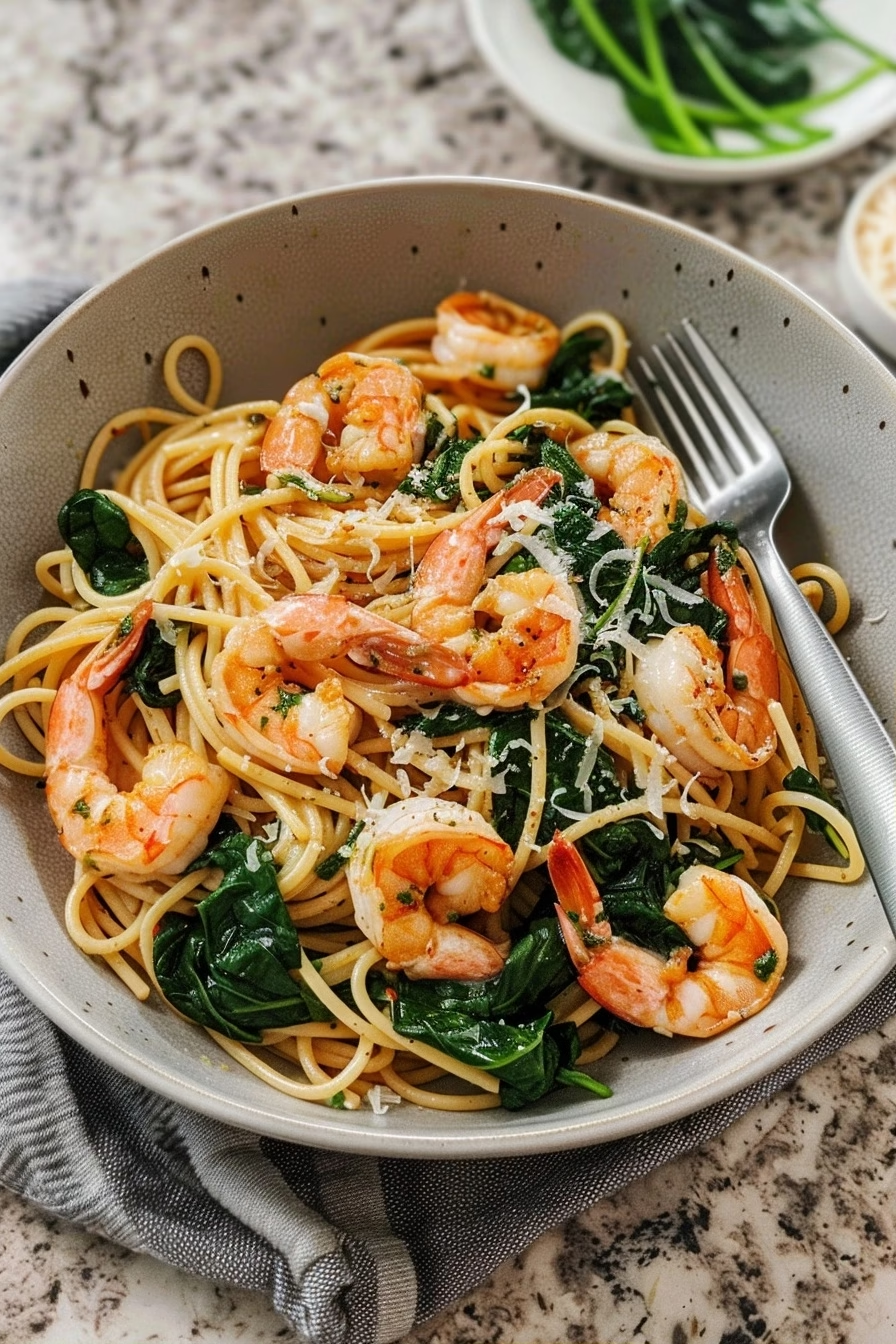
Garlic shrimp spinach pasta provides a sophisticated balance of succulent seafood, earthy greens, and perfectly cooked noodles in every bite. This refined dish serves as an ideal solution for busy weeknights when you require a restaurant quality dinner without extensive preparation. Its vibrant colors and robust aromatics ensure a memorable dining experience for every member of your household.
Introduction to Garlic Shrimp Spinach Pasta
The combination of plump shrimp sautéed with fragrant garlic and tender spinach creates an incredibly satisfying culinary experience. Each strand of pasta absorbs the savory juices of the shrimp and the light coating of olive oil that ties the entire dish together. The aroma of sizzling garlic fills your kitchen, creating an inviting atmosphere that signals a nourishing and wholesome dinner is ready to be served. You will notice how the bright green spinach adds a fresh texture that contrasts beautifully against the tender, slightly charred edges of the perfectly cooked shrimp.
This particular pasta preparation draws inspiration from classic Mediterranean culinary traditions that prioritize high quality ingredients and simple cooking methods. Unlike heavy cream based sauces, this version relies on a reduction of olive oil, lemon juice, and natural shrimp stock to create a light yet intensely flavored coating. It stands out from similar recipes because it highlights the natural sweetness of the shellfish without masking those delicate flavors with excessive dairy or thickeners. Culinary purists appreciate how this streamlined approach maintains the integrity of each component while still delivering a deep and complex taste profile in every single forkful.
Home cooks who value efficiency and bold flavors will find this recipe to be a perfect addition to their regular cooking repertoire. It serves as an excellent choice for casual family gatherings, quick date nights, or even an impressive solo dinner after a long day at the office. Because it requires minimal equipment and common pantry staples, it deserves a permanent place in your weekly meal rotation for years to come. Once you master the timing of the shrimp and the folding of the spinach, this dish becomes an instinctive process that requires very little active thought or effort.
Why You’ll Love This Recipe
The star technique involves searing the shrimp quickly at a high temperature to lock in their natural juices and achieve a golden brown exterior. This rapid cooking process creates a significant flavor payoff because it infuses the oil with a concentrated seafood essence that coats every noodle. You will appreciate the consistency of this result as it elevates a simple weeknight meal into something that tastes professionally prepared and highly polished.
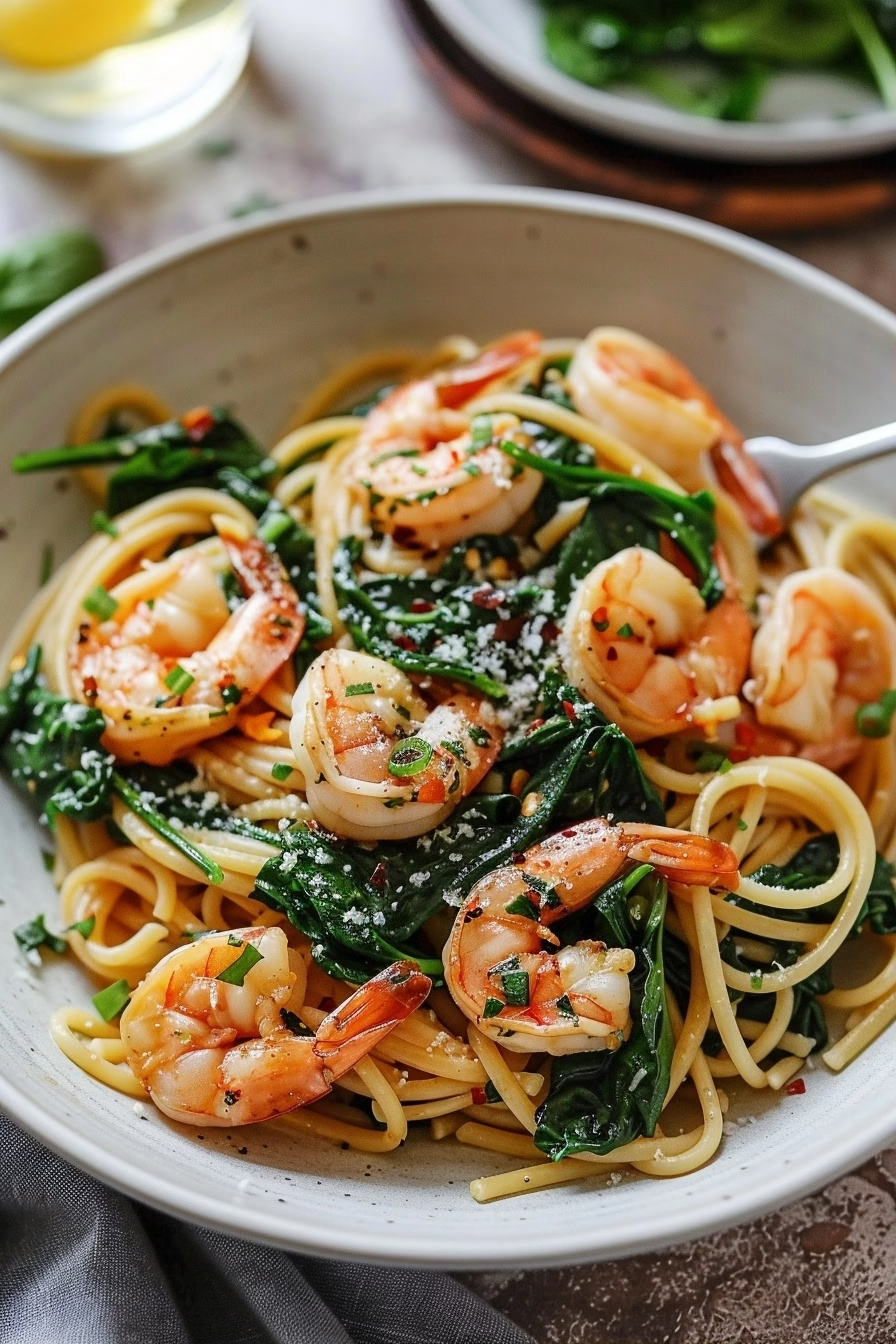
This dish offers a compelling texture contrast between the bouncy, tender shrimp and the soft, silky spinach that wilts perfectly into the hot pasta strands. The visual appeal of vibrant green leaves mixed with pink shellfish and golden noodles creates a plate that looks as good as it tastes. You will find that this meal satisfies on multiple levels by providing a balanced combination of lean protein, healthy fats, and essential nutrients in one bowl.
The Perfect Weeknight Dinner
Achieving a gourmet dinner has never been simpler because this specific recipe requires only thirty minutes from start to finish. You begin by boiling the water for the pasta and quickly sautéing the aromatics while the noodles cook to an ideal al dente texture. The streamlined nature of this process ensures you spend less time hovering over the stove and more time enjoying your delicious home cooked creation.
Busy parents and beginner cooks will love how this dish accommodates various schedules and skill levels with its forgiving and straightforward steps. You can easily prep the ingredients in advance during your morning routine so that the final assembly takes less than ten minutes. Whether you are managing a hectic household or learning the basics of cooking, this recipe offers a reliable path to a successful and healthy dinner every time.
Ingredients Needed for Garlic Shrimp Spinach Pasta
You should gather these essential components to ensure you have everything ready before you begin the cooking process for this flavorful meal.
| Ingredient | Quantity | Notes |
|---|---|---|
| Shrimp | 1 pound | Main protein source |
| Pasta | 12 ounces | Base starch |
| Garlic | 6 cloves | Primary aromatic |
| Spinach | 4 cups | Fresh vegetable component |
| Olive Oil | 3 tablespoons | Cooking fat |
| Lemon Juice | 2 tablespoons | Acidic brightness |
| Red Pepper Flakes | 0.5 teaspoon | Optional heat |
Optional Add-Ins
Customizing this dish allows you to adapt the flavors to your personal preferences while still maintaining the core integrity of the classic recipe structure. Consider adding these items to increase the complexity or nutritional profile of your final plate depending on what is currently available in your pantry.
| Ingredient | Quantity | Notes |
|---|---|---|
| Cherry Tomatoes | 1 cup | Adds acidity |
| Sun Dried Tomatoes | 0.5 cup | Deep savory notes |
| Parmesan Cheese | 0.5 cup | Adds salty depth |
| Fresh Basil | 0.25 cup | Herbal freshness |
Ingredient Substitutions
- Pasta: Use whole wheat or chickpea pasta to increase fiber content and adjust the texture of the finished meal.
- Spinach: Substitute with kale or Swiss chard, though you must sauté them slightly longer to ensure they reach the proper tenderness.
- Olive Oil: Swap for avocado oil if you prefer a neutral fat that can handle higher heat during the initial shrimp sear.
- Shrimp: Use scallops or cubed firm white fish to provide a different protein profile while keeping the light sauce aesthetic intact.
Step-by-Step Cooking Instructions
The overall approach focuses on balancing the timing of the pasta water and the rapid searing of the seafood components. By layering the ingredients carefully, you ensure that every part of the dish arrives at the perfect temperature and texture simultaneously.
Preparing the Protein
Begin by patting your shrimp completely dry with paper towels to ensure they sear properly rather than steaming in the pan. Heat two tablespoons of olive oil in a large skillet over medium high heat until it shimmers and appears slightly fluid. Add the shrimp in a single layer, making sure not to overcrowd the pan so they can develop a beautiful golden crust. Cook for two minutes on each side until they turn opaque and pink, then immediately remove them from the pan to prevent them from becoming rubbery.
Making the Sauce
Lower the heat to medium and add the remaining tablespoon of olive oil along with your minced garlic and red pepper flakes. Sauté the garlic for exactly one minute until it becomes fragrant but remains a pale gold color without turning dark brown. Pour in the fresh lemon juice to deglaze the pan and release any tasty browned bits left behind by the shrimp. This aromatic base will form the flavorful foundation for your pasta and should smell intensely savory and bright.
Assembling the Dish
Transfer your cooked pasta directly into the skillet with the garlic oil mixture using tongs so that some pasta water carries over. Toss the noodles thoroughly to coat them in the sauce, then fold in the fresh spinach until it begins to wilt from the residual heat. Reintroduce the cooked shrimp to the pan and gently stir everything together for one final minute to ensure the entire dish is heated through. Serve immediately while the steam is still rising to enjoy the best possible texture and flavor intensity.
Pro Tips
Mastering this simple pasta dish requires attention to detail regarding the temperature of your ingredients and the timing of your steps. By following these professional suggestions, you can ensure that your meal consistently achieves the quality of a high end dining establishment.
- Always use room temperature shrimp to ensure even cooking and prevent the pan temperature from dropping too drastically during the sear. Skipping this step often results in unevenly cooked shellfish that may be raw in the middle or tough on the edges.
- Boil your pasta in generously salted water because it provides the only opportunity to season the interior of the noodles effectively. If you use unsalted water, the final dish will taste bland regardless of how much sauce you include later.
- Add the spinach only at the very end of the cooking process to maintain its bright color and avoid an unappealing mushy texture. Overcooked greens lose their nutritional value and turn an unattractive olive color that distracts from the visual appeal of the shrimp.
- Reserve half a cup of starchy pasta water before draining your noodles to help emulsify the sauce and make it cling better. This simple liquid helps bind the oil and lemon juice into a cohesive coating that covers every individual strand of pasta.
- Keep a close eye on the garlic during the sauté phase because it burns quickly and creates a bitter flavor profile when overcooked. If you see the garlic start to brown too fast, immediately add the lemon juice or a splash of pasta water to lower the temperature.
The most important technique in this recipe involves the emulsification of the sauce using starchy pasta water and lemon juice. When you toss the hot noodles with the aromatic oil and a small amount of liquid, the starches create a silky texture that coats every bite perfectly. This step transforms the dish from a dry noodle bowl into a cohesive, restaurant quality experience that highlights the quality of your ingredients.
Serving Suggestions and Variations
Pairing with Sides
This dish pairs exceptionally well with light sides that do not compete with the delicate flavors of the garlic and lemon. Serve this meal with a crisp side salad featuring a light vinaigrette, such as our Fresh Garden Salad, which provides a crunchy texture contrast. A side of Garlic Herb Bread also works wonders for soaking up the remaining sauce left at the bottom of your pasta bowl. Finally, a serving of Roasted Asparagus brings an earthy element that complements the spinach and rounds out the nutritional balance of your dinner.
Creative Variations
Experiment with heat levels by adding thinly sliced serrano peppers or doubling the red pepper flakes for a noticeable kick. These additions introduce a spicy element that contrasts well with the sweetness of the shrimp, provided you balance the heat with a bit more lemon juice. Always taste your sauce after adding heat to ensure it remains balanced and approachable for all diners.
Swap the protein for succulent lobster chunks or hearty sautéed mushrooms if you want to shift the focus toward a different main ingredient. Each variation changes the overall experience, turning the pasta into a flexible canvas for your favorite seasonal finds. Consider how the texture of mushrooms might add an earthiness that replaces the oceanic notes of the shrimp entirely.
For more inspiration, check out our collections for Lemon Herb Seafood Pasta or Spicy Garlic Vegetable Linguine to expand your repertoire. These recipes offer similar ease of preparation while introducing new flavor profiles for your table. End your meal on a sweet note by serving a chilled Lemon Sorbet to cleanse the palate after the rich garlic tones.
Nutritional Information
These values represent an approximate nutritional breakdown per serving for this specific preparation method based on standard ingredient sizes.
| Nutrient | Amount per Serving |
|---|---|
| Calories | 450 kcal |
| Protein | 28g |
| Fat | 14g |
| Carbohydrates | 52g |
| Fiber | 4g |
| Sugar | 2g |
| Sodium | 380mg |
These are approximate values and may vary depending on specific ingredients used.
FAQ
Can I substitute frozen shrimp for fresh shrimp in this pasta?
You can definitely use frozen shrimp, provided you thaw them completely and pat them dry before adding them to the skillet. Thawing ensures that the shrimp cook evenly without releasing excess water that would dilute the flavor of your garlic sauce. Place the frozen shrimp in a colander under cold running water for ten minutes to achieve the best results. Dry them thoroughly with paper towels to ensure they sear with that signature golden crust rather than steaming.
How can I make this dish vegetarian friendly?
You can easily create a vegetarian version by substituting the shrimp with hearty vegetables like sliced bell peppers, zucchini, or artichoke hearts. These vegetables offer a satisfying texture that holds up well against the garlic and lemon sauce used in the base recipe. Ensure you cook the vegetables until they are just tender to maintain a pleasant mouthfeel throughout the finished dish. Adding a handful of chickpeas also provides a substantial plant based protein source that fits perfectly with this pasta profile.
What is the best way to store leftovers for later consumption?
Store any leftovers in an airtight container in the refrigerator for up to two days to maintain the best quality. Placing the pasta in a sealed container prevents it from drying out and keeps the garlic aroma from permeating your entire refrigerator. When you are ready to serve, reheat the portion gently in a pan with a splash of water to loosen the sauce. Avoid using a microwave for long periods, as it often causes the shrimp to become rubbery and the pasta to lose its ideal texture.
Should I prepare components in advance for a busy weeknight?
Preparing ingredients in advance serves as an excellent strategy to minimize active cooking time when you are ready to eat. You can peel and devein the shrimp, mince the garlic, and wash the spinach earlier in the day or the night before. Keep these components in separate sealed containers until the moment you are ready to start the searing process on your stove. This advance preparation allows you to assemble the entire meal in under fifteen minutes once you return home from work.
What should I do if my garlic sauce tastes too bitter?
If your garlic sauce tastes bitter, it is likely that the garlic scorched during the sautéing process because the heat was too high. You can often rescue the flavor by adding a small amount of honey or additional lemon juice to neutralize the harsh notes. If the bitterness is overwhelming, the best approach is to start the aromatics phase over in a fresh pan with new oil and garlic. Prevention remains the most effective solution, so always keep the heat at a manageable level and keep the garlic moving in the pan.
Garlic Shrimp Spinach Pasta
Ingredients
Method
- Bring a large pot of salted water to a boil and cook pasta according to package directions until al dente.
- While pasta cooks, pat the shrimp dry and season lightly with salt and pepper.
- Heat 2 tablespoons of olive oil in a large skillet over medium-high heat.
- Add the shrimp in a single layer and sear for 1-2 minutes per side until pink and opaque. Remove shrimp from the pan and set aside.
- In the same skillet, add the remaining tablespoon of olive oil and the sliced garlic, cooking until fragrant and golden but not browned.
- Add the spinach to the skillet and cook just until it begins to wilt.
- Return the shrimp to the pan and toss in the cooked pasta, lemon juice, and red pepper flakes.
- Toss everything together until well combined and heated through, adding a splash of pasta water if needed to create a light sauce.