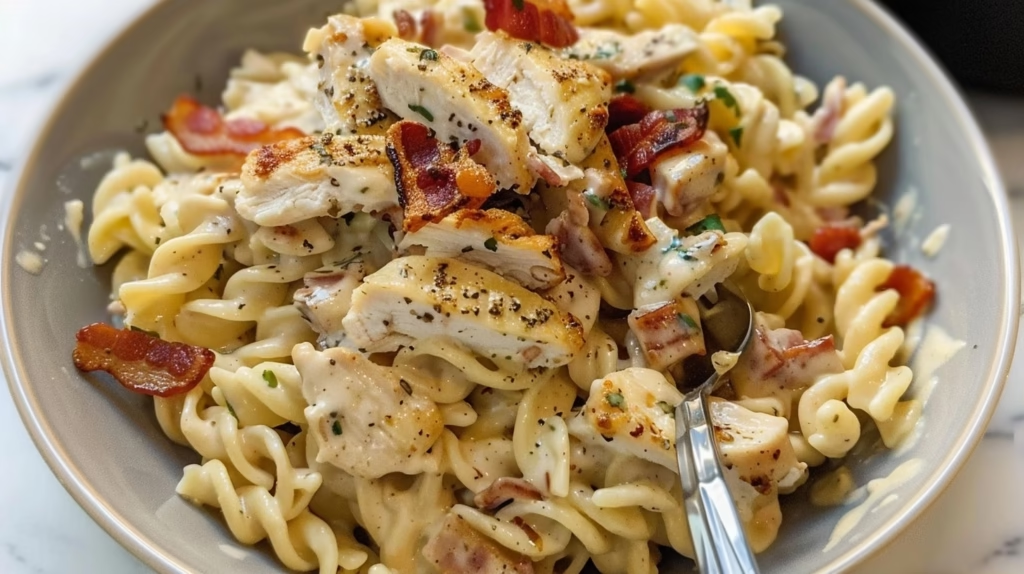
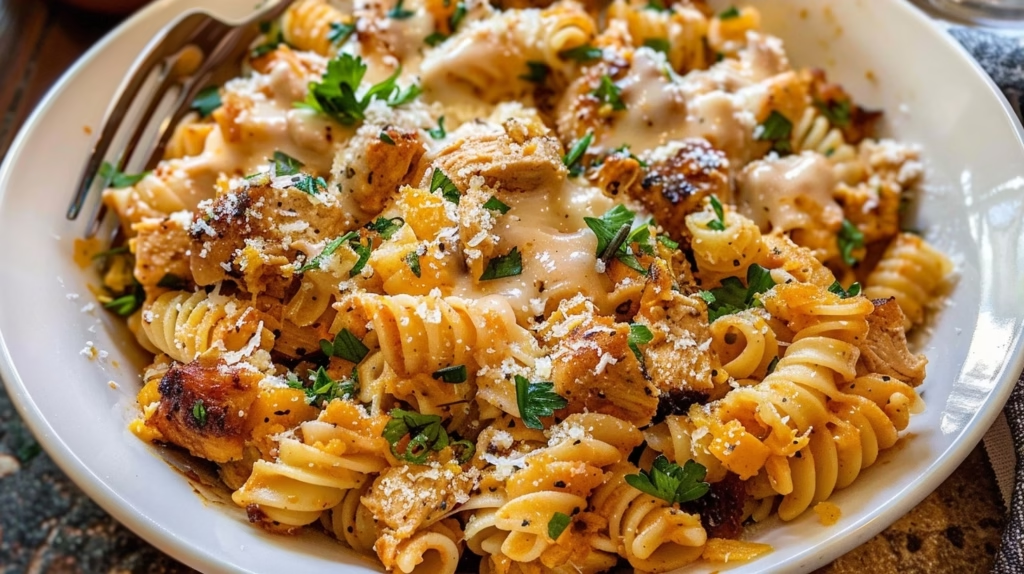
Butternut squash chicken pasta provides a hearty and nourishing meal that combines tender protein with naturally sweet roasted seasonal vegetables. This dish creates a balanced profile of savory notes and earthy undertones, making it an ideal choice for healthy family dinners throughout the autumn and winter months. Busy home cooks rely on this combination to deliver sophisticated flavors without spending hours inside a kitchen.
Introduction to Butternut Squash Chicken Pasta
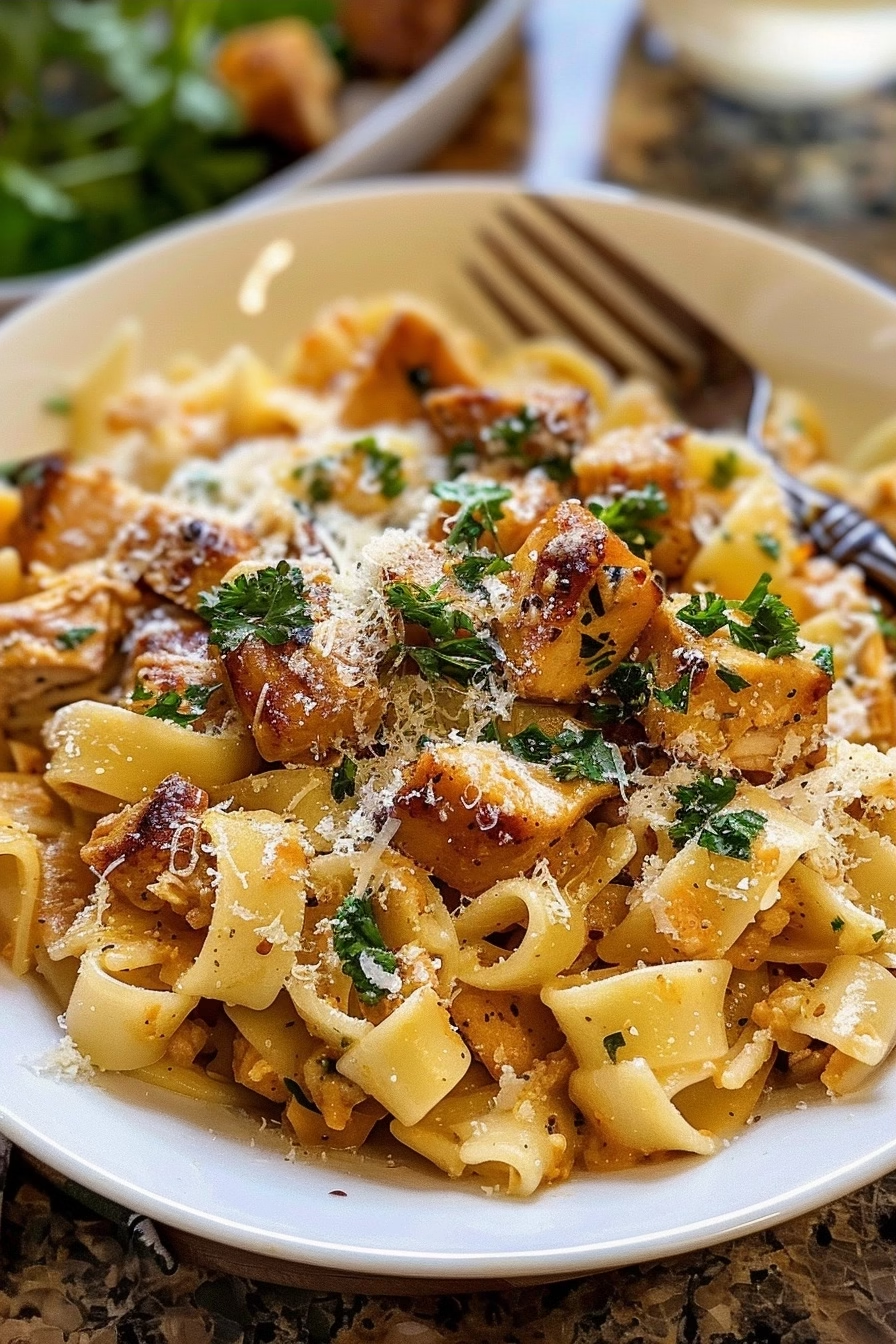
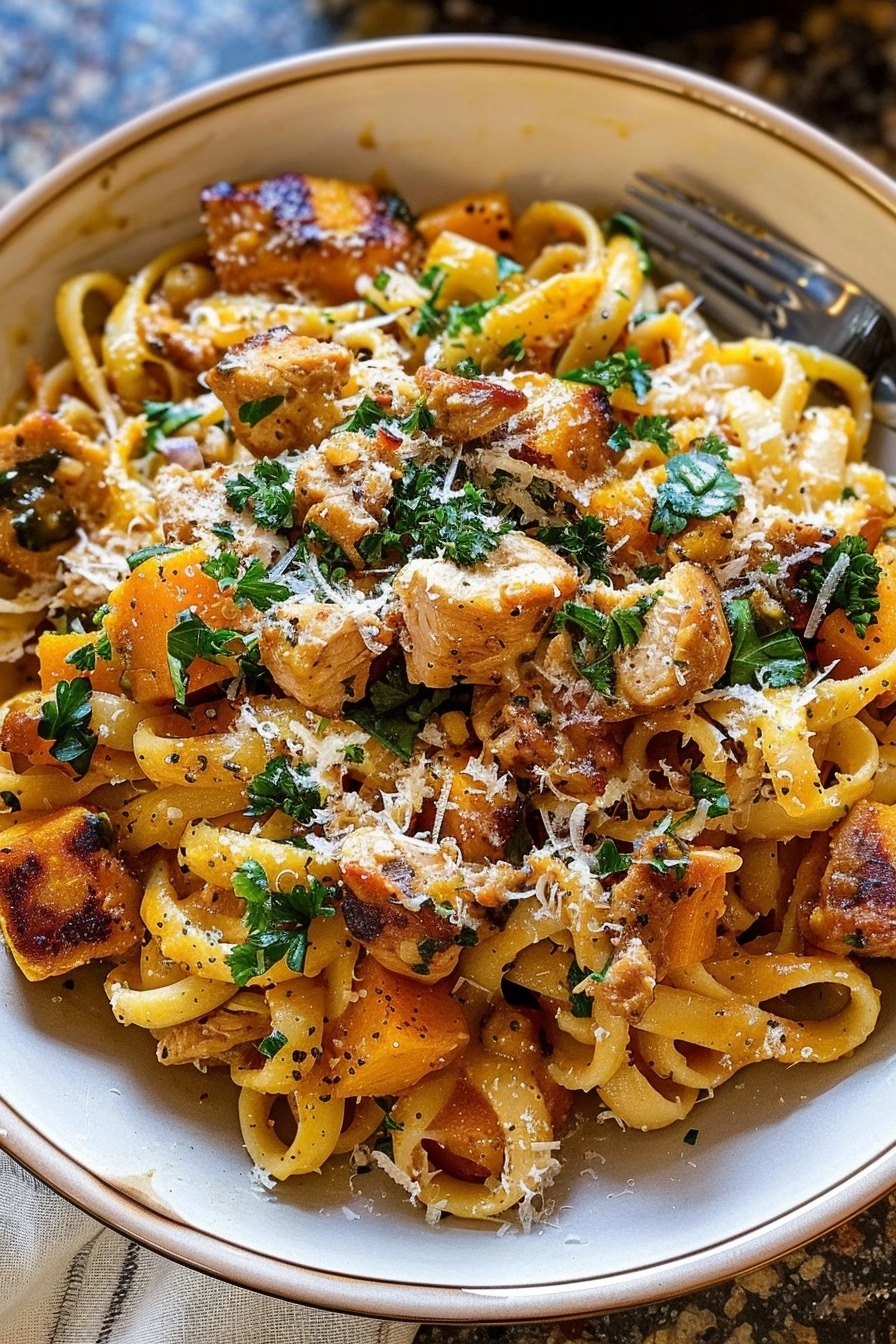
This culinary creation features roasted butternut squash cubes that collapse into a silky, golden sauce when tossed with perfectly al dente pasta noodles and lean chicken breast. The natural sweetness of the squash provides a vibrant contrast to the savory, seared protein while aromatic herbs ground the dish with earthy complexity. Every forkful offers a velvet texture that coats the palate, leaving a lingering warmth that makes this meal feel exceptionally indulgent and comforting. The visual appeal of the vibrant orange squash against the golden pasta ensures that this dish looks as impressive as it tastes on the dinner table.
Historically, squash has served as a staple ingredient in various global cuisines, prized for its shelf stability and versatile ability to absorb surrounding flavors during long cooking processes. While many pasta dishes rely on heavy cream or excessive cheese, this recipe leverages the starch and natural pectin from the pureed squash to create a creamy consistency without excessive fats. It stands out from similar recipes by prioritizing the integrity of fresh produce, ensuring that the final plate offers a clean and vibrant profile rather than a heavy, weighed-down sensation. Modern kitchens embrace this approach because it balances the need for nutritional value with the desire for a classic, soul-satisfying bowl of pasta.
Home cooks seeking a reliable weeknight staple will find that this butternut squash chicken pasta fits perfectly into a rotation of consistent and achievable dinner options. It serves as an excellent entry point for those wanting to experiment with seasonal cooking without requiring specialized techniques or exotic equipment that clutter the kitchen. Whether you are hosting a small gathering of close friends or simply preparing a wholesome meal for your family after a long workday, this recipe delivers reliable results every time. Its combination of approachable ingredients and satisfying textures makes it a permanent fixture for anyone who prioritizes home cooking that feels special yet remains entirely accessible.
Why You’ll Love This Recipe
The star ingredient of this dish is fresh butternut squash, which undergoes a caramelization process that deepens its inherent sugars and creates a rich, concentrated flavor base. When you roast the squash until the edges turn golden brown, you unlock a depth of flavor that simple boiling could never achieve in a standard pasta sauce. This technique ensures that the resulting sauce carries a sweet, nutty essence that perfectly complements the savory, pan-seared chicken breast components of the meal.
You will appreciate the contrast in texture between the firm pieces of chicken, the soft cubes of roasted squash, and the perfectly cooked al dente pasta noodles. Every bite invites a complex interaction of soft and firm elements that keeps the eating experience engaging from the first taste to the very last. The final dish presents a stunning array of autumnal colors that looks beautiful on the plate while providing deep satiety that lasts long after the meal finishes.
The Perfect Weeknight Dinner
This recipe remains efficient because it minimizes active preparation time while maximizing the flavor extraction through high-heat roasting and quick stovetop cooking. You can easily have this wholesome meal ready in under forty-five minutes if you multitask while the oven works its magic on the vegetables. The simplicity of the steps ensures that even beginner cooks can achieve restaurant-quality results without feeling overwhelmed or rushed by a complex series of instructions.
Busy families benefit from the versatility of this dish, as it reheats beautifully for leftovers throughout the hectic work week. You can easily prepare the roasted squash or cook the chicken ahead of time, which significantly streamlines the final assembly when hunger strikes during a busy evening. It provides a reliable, nutritious foundation for a quick dinner that requires minimal cleanup and delivers maximum comfort for everyone at the table.
Ingredients Needed for Butternut Squash Chicken Pasta
The following table outlines the essential building blocks required to create this balanced and savory pasta dish for your family.
| Ingredient | Quantity | Notes |
|---|---|---|
| Butternut Squash | 1 medium | Main flavor base |
| Chicken Breast | 1 pound | Lean protein source |
| Penne Pasta | 12 ounces | Textural foundation |
| Olive Oil | 3 tablespoons | Roasting agent |
| Garlic cloves | 3 minced | Aromatic depth |
| Vegetable Broth | 1 cup | Sauce consistency |
| Fresh Sage | 1 tablespoon | Earthy fragrance |
Optional Add-Ins
Customizing this recipe allows you to introduce different flavor profiles and extra nutritional benefits to suit your specific household preferences or dietary requirements. These additions offer simple ways to elevate the dish with extra texture or brightness.
| Ingredient | Quantity | Notes |
|---|---|---|
| Baby Spinach | 2 cups | Adds vibrant color |
| Walnuts | 1/4 cup | Crunchy texture |
| Parmesan Cheese | 1/2 cup | Savory umami hit |
| Red Pepper Flakes | 1 teaspoon | Adds gentle heat |
Ingredient Substitutions
- Penne pasta: Substitute with whole wheat fusilli to increase fiber content and adjust the cooking time as directed on the box.
- Chicken breast: Replace with boneless chicken thighs for a deeper, more succulent flavor profile that holds up well during the cooking process.
- Fresh sage: Use dried thyme or rosemary to provide a more subtle, woody aroma that works well if you prefer milder herbal notes.
- Vegetable broth: Utilize low-sodium chicken stock if you want a richer, more savory background flavor to support the roasted vegetable base.
Step-by-Step Cooking Instructions
This recipe relies on the harmony between oven-roasted aromatics and stove-top prepared proteins to build layers of flavor. Follow these phases carefully to ensure the squash achieves the proper texture while the chicken remains perfectly moist.
Preparing the Protein and Squash
Begin by preheating your oven to 400 degrees Fahrenheit to ensure proper caramelization of the vegetables. Toss your cubed butternut squash with olive oil, salt, and pepper on a large sheet pan until every piece is evenly coated. Roast the squash for twenty-five minutes until the edges are deep brown and the centers are tender when pierced with a fork. While the squash roasts, slice the chicken into small, uniform bites and sear them in a hot skillet until golden brown and fully cooked through the center.
Making the Creamy Sauce
Transfer half of the roasted squash into a blender along with the vegetable broth and fresh sage leaves to create a smooth, velvety puree. Pour this mixture back into your chicken skillet, setting the heat to low to gently simmer and thicken the sauce for approximately five minutes. The sauce should reach a consistency that coats the back of a spoon without becoming too thick or pasty in the pan. Season this mixture with additional salt and pepper until the flavors pop and the sweet notes of the squash balance perfectly with the savory broth.
Assembling the Dish
Cook the penne pasta in a large pot of salted boiling water until it reaches a perfect al dente texture that offers a slight bite. Drain the pasta, reserving a small amount of starchy water, and immediately toss the noodles into the skillet with the sauce and remaining roasted squash cubes. Stir everything gently to combine the ingredients, adding a splash of the reserved water if the sauce appears too thick or needs additional silkiness. Serve the pasta immediately while piping hot to ensure the best possible texture and mouthfeel for your meal.
Pro Tips
Maximizing the potential of this dish requires attention to minor details that significantly impact the final quality and presentation. Follow these suggestions to ensure a professional result every time you cook this meal in your own kitchen.
- Always roast your squash until it shows visible browning on the edges, as this caramelization is essential for developing the deep, nutty sweetness that defines the sauce. Skipping this step will result in a flat, watery flavor that lacks the complexity required for a premium pasta dish.
- Cook your pasta for one minute less than the package instructions suggest, as the noodles will finish absorbing the sauce while sitting in the skillet. This practice prevents the pasta from becoming mushy or overcooked when it eventually sits on the plate before serving.
- Use a high-quality olive oil for roasting the squash, because the quality of your fat base directly influences the flavor profile of the final blended sauce. Cheaper oils can sometimes leave a bitter aftertaste that distracts from the delicate sweetness of the seasonal squash.
- Keep a small amount of the pasta boiling water to the side before you drain the noodles to adjust the thickness of your sauce as needed. This simple trick provides the perfect way to emulsify the squash puree with the pasta for a cohesive and glossy final result.
- Fresh herbs such as sage or thyme should be added at the end of the cooking process to preserve their bright, aromatic essential oils. If you cook them for too long, the delicate fragrance disappears, leaving the dish without its signature seasonal perfume.
The most important technique in this recipe involves the careful balancing of the sauce consistency by using the starch-rich pasta water. You must stir the liquid into the squash puree gradually to achieve that professional emulsion that allows the sauce to cling to every single noodle. Mastering this step transforms a simple vegetable puree into a restaurant-quality coating that binds the entire dish together.
Serving Suggestions and Variations
Pairing with Sides
To round out your meal, consider serving this pasta alongside a crisp side salad such as the Lemon Herb Garden Salad which offers a bright acidity to cut through the richness of the squash. Another excellent option is Roasted Garlic Green Beans because their crunch provides a lovely contrast to the soft pasta textures. Including a slice of Crusty Artisan Bread allows you to mop up the extra sauce, ensuring that not a single drop of the savory blend goes to waste. These pairings help balance the plate, creating a complete and satisfying dining experience for your guests or family members.
Creative Variations
For those who prefer a spicy kick, add a tablespoon of crushed red pepper flakes or even a pinch of cayenne into the blender with the roasted squash. This creates a subtle heat that builds slowly as you eat, providing a nice contrast to the natural sugar content in the vegetables. Experimenting with these heat levels allows you to customize the dish to suit any personal preference for a bolder culinary experience.
If you prefer to swap the protein, try using Italian turkey sausage or chickpeas for a vegetarian version that still provides a substantial bite. These variations work seamlessly because the squash base acts as a neutral canvas that highlights the flavors of whichever protein you choose to incorporate. Testing different combinations is part of the joy of cooking, as it keeps the meal feeling new and exciting for every dinner occasion.
For more inspiration, try pairing this with Easy Garlic Bread or a side of Roasted Brussels Sprouts to round out your vegetable intake. Consider finishing your dinner with a refreshing Apple Cinnamon Crisp which keeps the seasonal theme going through dessert. These recipes are easily found on our site and complement the flavors of the main dish perfectly for a cohesive menu.
Nutritional Information
The following values provide an approximate guide for the nutritional content found in a single serving of this butternut squash chicken pasta dish.
| Nutrient | Amount per Serving |
|---|---|
| Calories | 450 |
| Protein | 28g |
| Fat | 12g |
| Carbohydrates | 58g |
| Fiber | 6g |
| Sugar | 4g |
| Sodium | 480mg |
These are approximate values and may vary depending on specific ingredients used.
FAQ
Can I substitute butternut squash with pumpkin?
You can definitely use pumpkin as a direct substitute for butternut squash in this recipe with minimal adjustments to the process. Pumpkin shares a similar fibrous structure and natural sweetness, which makes it an ideal candidate for creating a smooth, velvety pasta sauce. Simply ensure that you roast the pumpkin until tender just as you would with the squash to extract that essential caramel flavor. The final result will be almost identical in both texture and taste profile, making it a reliable swap for any seasonal variations.
Is there a vegetarian version of this pasta?
This recipe can be easily adapted to a vegetarian format by replacing the chicken with hearty white beans or roasted chickpeas for protein. Simply omit the chicken searing process and toss the beans directly into the sauce during the final assembly phase to heat them through. Using vegetable broth as the liquid base ensures that the entire dish remains free of animal proteins while maintaining a rich and savory depth of flavor. Many home cooks prefer this version for meatless Mondays because it delivers the same satisfaction without requiring any complex modifications to the cooking method.
How long can I store the leftovers?
You can store leftover pasta in an airtight container inside the refrigerator for up to three days after the initial preparation. To maintain the best possible texture, try to keep the sauce and pasta together, as the noodles will continue to absorb the flavor of the squash over time. When you are ready to eat, simply reheat the portion in a skillet with a tiny splash of water to loosen the sauce and restore its original consistency. Avoid freezing the dish if possible, as the texture of the squash puree can sometimes change when thawed after being frozen.
Can I make this dish ahead of time?
You can efficiently make this dish ahead of time by preparing the roasted squash puree and cooking the chicken during your weekend meal prep session. Keep the components stored in separate containers until you are ready to assemble the final dinner, which will save you significant time during the week. When you need to serve, boil your fresh pasta and combine it with the warmed sauce and protein for a meal that tastes as if it were prepared from scratch that very evening. This approach works perfectly for busy households that require a quick, high-quality dinner option during the hectic Monday through Friday work schedule.
Why is my sauce too thick?
Your sauce may become too thick if the starch from the pasta absorbs too much liquid during the assembly process or if the squash was roasted too dry. You can easily fix this by adding small, incremental amounts of the reserved pasta boiling water until you reach your desired consistency. The starchy water acts as an emulsifier that helps the sauce cling to the noodles while thinning the texture into a perfect, glossy coating. Never rely on plain water for this step, as the starch is the secret ingredient that ensures your sauce remains smooth and professional rather than separating.
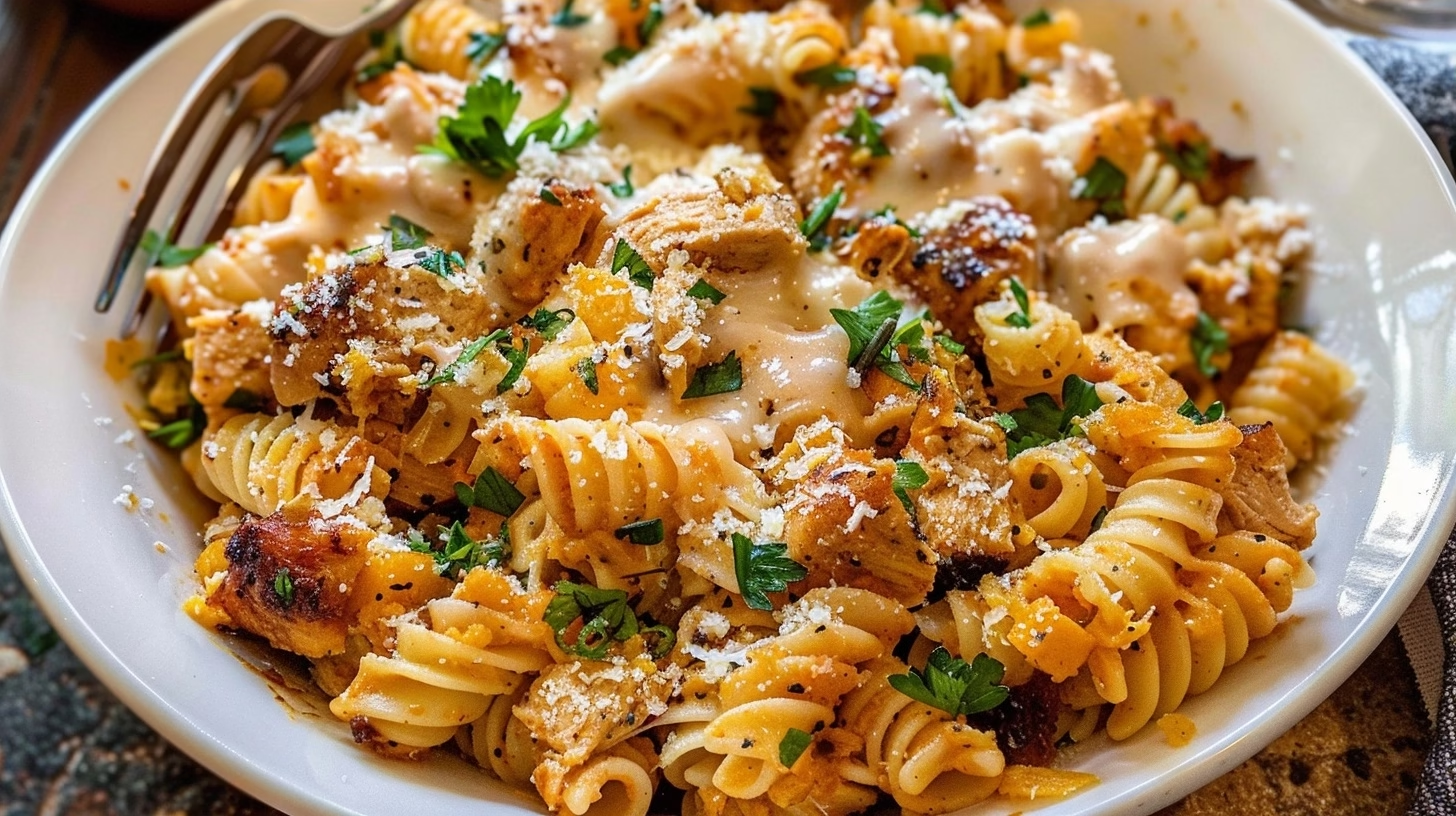
Roasted Butternut Squash and Chicken Pasta
Ingredients
Method
- Preheat oven to 400°F (200°C).
- Toss butternut squash cubes with olive oil, salt, and pepper on a baking sheet; roast for 20-25 minutes until golden and tender.
- While squash roasts, cook pasta in boiling salted water according to package directions; reserve 1/2 cup of pasta water before draining.
- In a large skillet, sear chicken pieces until golden and cooked through; remove from pan.
- Take half of the roasted squash and mash or blend with vegetable broth to create a smooth sauce base.
- Add minced garlic and sage to the skillet, cooking briefly until fragrant.
- Return chicken to the skillet, add the mashed squash puree, remaining whole roasted squash, and cooked pasta.
- Toss everything together over low heat, adding reserved pasta water if needed to reach desired consistency.
- Stir in Parmesan cheese and serve immediately with a garnish of fresh parsley.