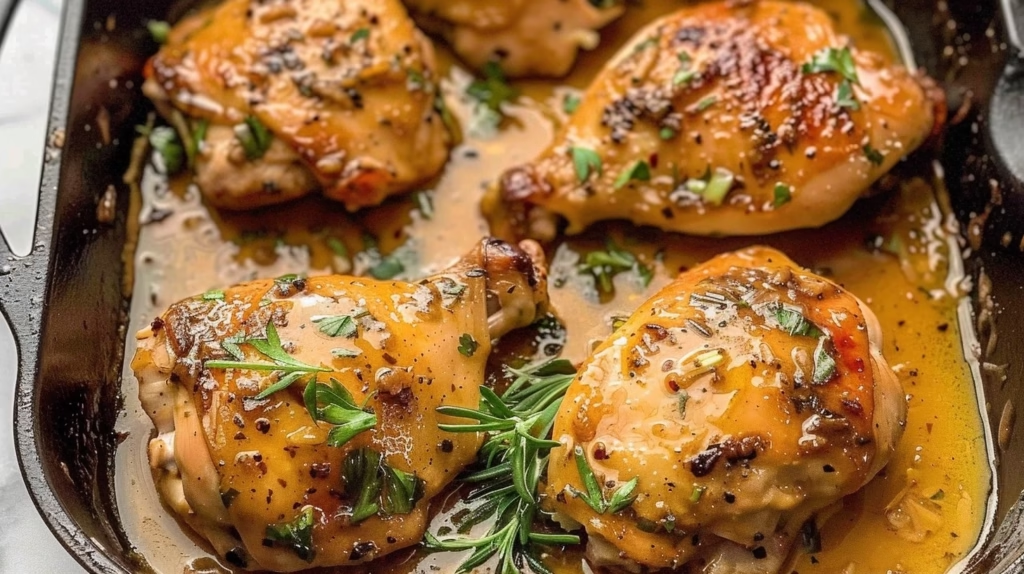
Maple Dijon Chicken is a savory, balanced main dish featuring tender protein glazed in a sticky, sweet, and tangy sauce. This recipe combines the natural sugars of maple syrup with the sharp, acidic bite of Dijon mustard to create a sophisticated flavor profile that elevates simple ingredients. You will appreciate how quickly this restaurant-quality meal comes together in your own home kitchen.
Introduction to Maple Dijon Chicken
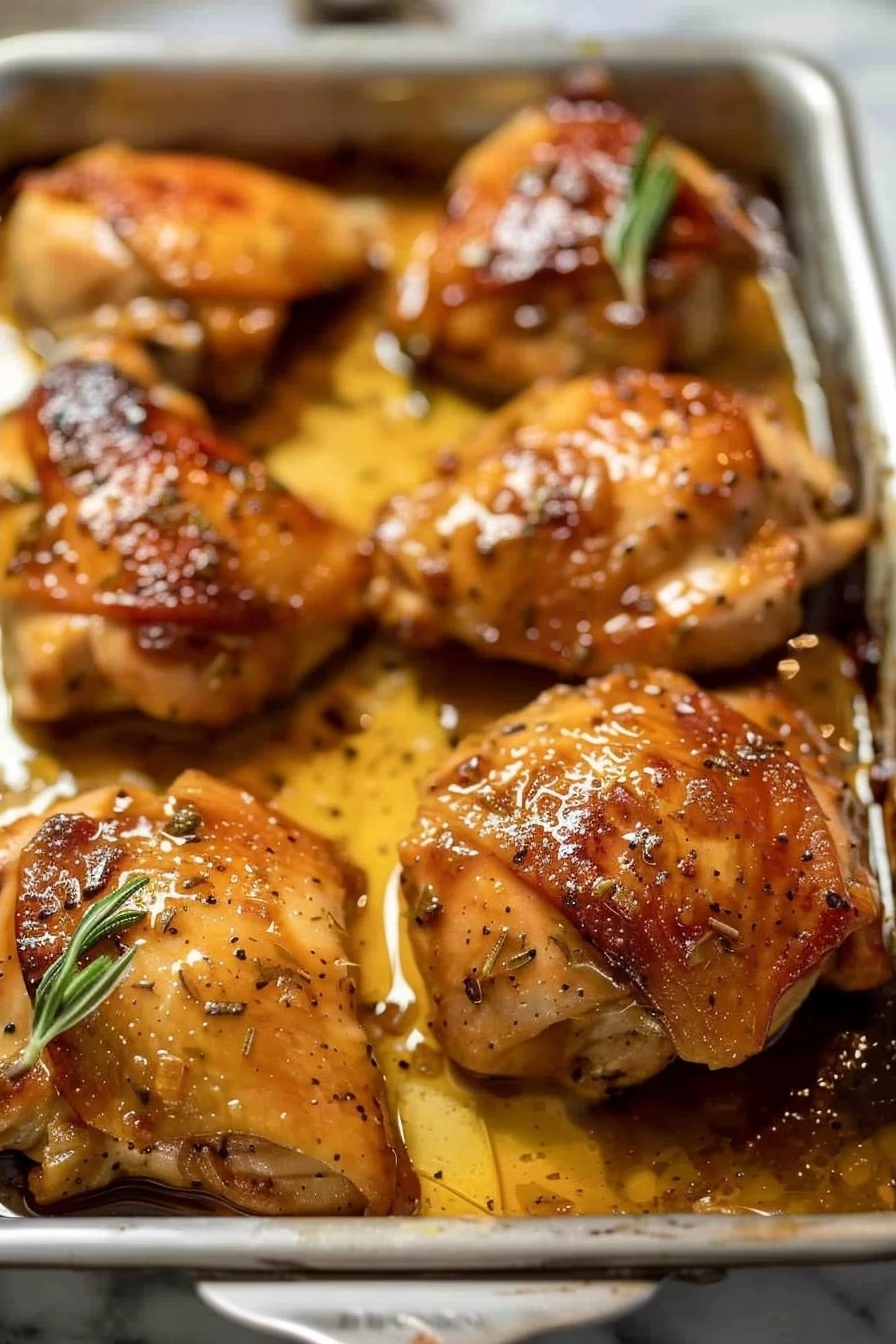
Maple Dijon Chicken provides a unique sensory experience where the deep, woody sweetness of maple syrup cuts through the pungent, spicy notes of high-quality Dijon mustard. The resulting glaze caramelizes beautifully under heat, creating a deep golden brown crust that seals in the natural juices of the chicken breast or thighs. This dish emits an appetizing aroma of toasted sugars and savory herbs that immediately signals a comforting, home-cooked meal is ready to be served. Every bite offers a satisfying contrast between the crispy exterior of the meat and the tender, succulent interior that remains perfectly hydrated.
The culinary concept of pairing sweet syrups with tangy mustard is a classic technique rooted in North American farmhouse cooking styles that prioritize bold flavor contrast. Unlike many heavy cream-based sauces, this glaze relies on the reduction of sugars and acids, ensuring the final dish feels light while maintaining high flavor intensity. It stands out from similar recipes because it avoids unnecessary fillers or complex spices, allowing the primary components to shine without distraction or clashing profiles. This dish represents the evolution of modern home cooking, where minimal effort is strictly applied to achieve maximum results for everyday family dining.
This recipe is perfectly suited for busy professionals and parents who require a reliable, crowd-pleasing dinner option that consistently delivers results every time. It serves as an ideal solution for intimate weeknight dinners where you want to impress guests without spending hours standing over a hot kitchen stove. Once you add this meal to your weekly rotation, you will find it becomes a go-to favorite because of its consistent flavor, ease of execution, and widespread popularity among both children and adults. Incorporating this meal into your regular routine provides a dependable fallback for nights when time is limited but high-quality nutrition is still a priority.
Why You’ll Love This Recipe
You will love this recipe because the combination of maple syrup and Dijon mustard creates a complex glaze that requires almost no technical skill to master. The sugars in the syrup undergo a gentle caramelization process that creates a rich, mahogany-colored crust on the chicken surface without requiring any specialized equipment or advanced cooking knowledge. The depth of flavor payoff is truly remarkable considering the minimal list of ingredients needed to bring the entire dish together in your kitchen.
The texture contrast between the slightly crispy edges of the chicken and the sticky, smooth sauce makes every single bite highly enjoyable and satisfying. Visually, the golden finish on the meat looks stunning when served on a platter with fresh herbs, making it an excellent candidate for both casual dinners and hosting friends. This dish satisfies your cravings for something savory, sweet, and tangy all at the same time while providing essential high-quality protein for a balanced lifestyle.
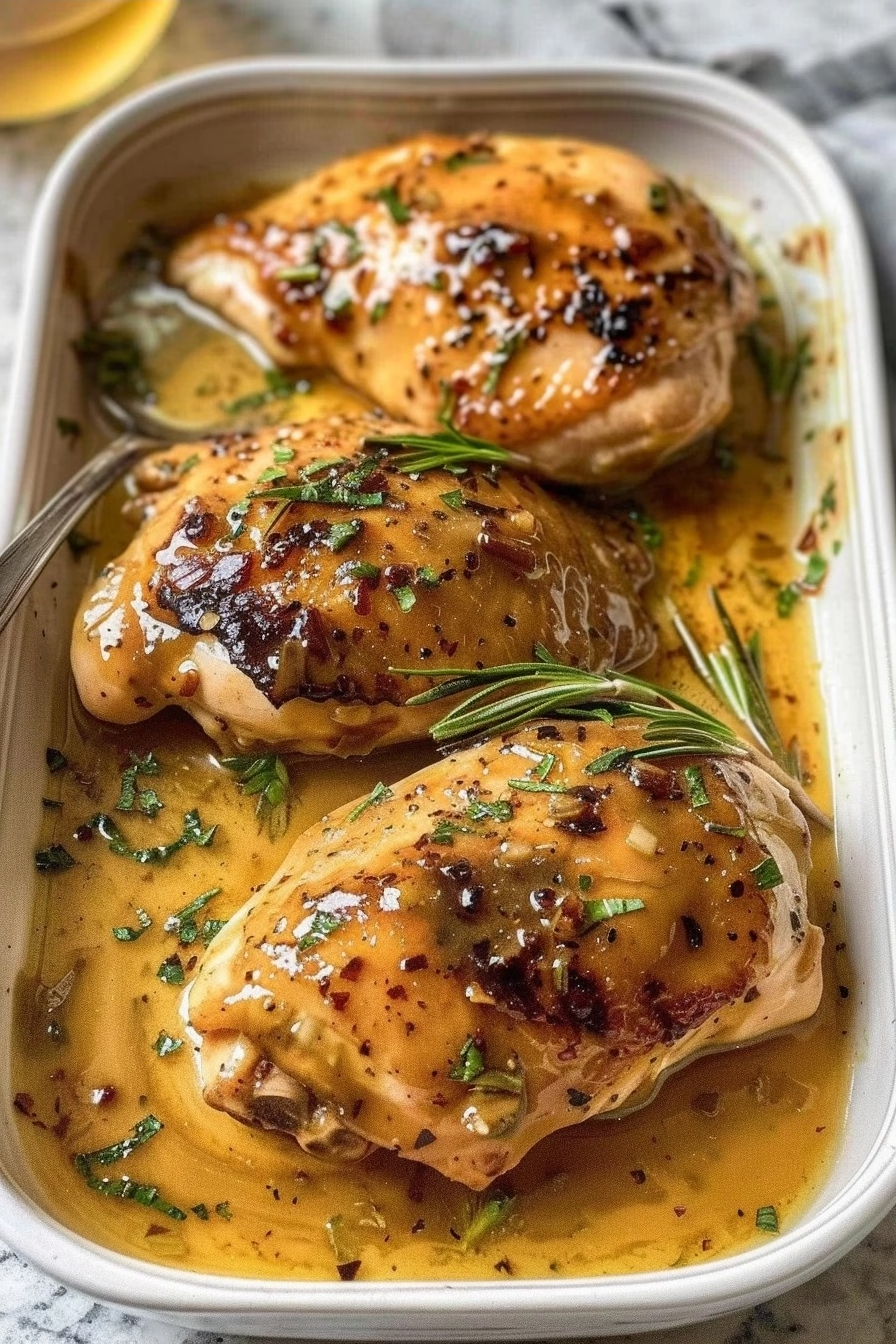
The Perfect Weeknight Dinner
This recipe is designed for maximum efficiency, as it can be prepared and served in under forty-five minutes from start to finish. The process involves simple pan-searing followed by a quick simmer, ensuring that you minimize active kitchen time while maximizing the final flavor quality. You will find that this streamlined approach allows you to dedicate your precious evening time to relaxation while still providing a hot, nutritious meal for your family.
Whether you are a complete beginner or a seasoned home cook, this method provides a foolproof way to achieve tender, juicy chicken every time you cook it. It works exceptionally well for meal prep because the flavors actually deepen and improve after being stored in the refrigerator overnight in an airtight container. Busy families will appreciate that this dish is adaptable to various dietary needs and pairs perfectly with a wide variety of standard pantry staples.
Ingredients Needed for Maple Dijon Chicken
Gathering high-quality ingredients ensures that the final glaze achieves the perfect balance between sweetness and acidity during the reduction phase of cooking.
| Ingredient | Quantity | Notes |
|---|---|---|
| Chicken Breast | 1.5 lbs | Provides the protein base |
| Maple Syrup | 0.5 cup | Adds primary sweetness |
| Dijon Mustard | 0.25 cup | Provides tangy acidity |
| Olive Oil | 2 tbsp | Used for searing |
| Garlic | 3 cloves | Adds savory aromatics |
| Salt and Pepper | To taste | Enhances natural flavors |
Optional Add-Ins
Customizing your dish allows you to tailor the flavor intensity and texture profile to suit your personal preferences or what you currently have in your kitchen pantry.
| Ingredient | Quantity | Notes |
|---|---|---|
| Fresh Thyme | 1 tsp | Adds earthy herbal notes |
| Red Pepper Flakes | 0.5 tsp | Adds gentle heat |
| Apple Cider Vinegar | 1 tsp | Increases tanginess |
| Shallots | 1 small | Adds savory depth |
Ingredient Substitutions
- Use honey instead of maple syrup to create a slightly thicker glaze with a more neutral, floral sweetness profile.
- Replace chicken breasts with boneless thighs to gain more fat content and a deeper, more succulent mouthfeel after cooking.
- Substitute Dijon mustard with grainy mustard to achieve a more rustic texture and a slightly less acidic, more robust flavor.
- Try using avocado oil instead of olive oil to handle higher heat levels during the initial searing phase without smoking.
Step-by-Step Cooking Instructions
The overall approach focuses on searing the chicken to develop a base of flavor before finishing with a balanced, reduced sauce. Proper heat management ensures that the delicate sugars in the maple syrup do not burn during the final stages of the cooking process.
Preparing the Protein
Start by patting your chicken breasts completely dry with a clean paper towel to ensure they develop a proper crust. Season both sides of the chicken liberally with salt and black pepper to build a savory foundation before the heat is applied. Heat the olive oil in a heavy-bottomed skillet over medium-high heat until it shimmers and moves easily across the pan surface. Place the chicken carefully into the hot oil and sear for about five to six minutes until a deep golden color forms.
Making the Sauce
Whisk together the maple syrup, Dijon mustard, and minced garlic in a small bowl until the mixture is completely smooth and uniform. Lower the heat to medium once the chicken is flipped, then pour the sauce mixture directly into the skillet around the meat. Allow the sauce to simmer gently for approximately five minutes while you spoon it over the chicken to ensure even coating. The sauce will begin to thicken and turn into a glossy, dark glaze that coats the back of your spoon perfectly.
Assembling the Dish
Check the internal temperature of the chicken using a meat thermometer to ensure it has reached a safe 165 degrees Fahrenheit. Remove the skillet from the heat immediately to prevent the sugar-based sauce from burning or becoming overly bitter from prolonged exposure to high heat. Transfer the glazed chicken to a clean serving platter and drizzle any remaining sauce from the pan over the top. Garnish with a sprinkle of fresh herbs before serving the dish immediately while it remains hot and succulent.
Pro Tips
Mastering this recipe requires paying close attention to your pan temperature and the color of your glaze as it reduces. Small adjustments in heat will prevent the sugars from scorching, which is the most common mistake made when working with maple-based glazes in a hot pan.
- Use an instant-read meat thermometer to ensure your chicken is perfectly cooked without drying it out inside. This tool eliminates the guesswork and guarantees that you have a juicy result every single time you cook.
- Always allow your chicken to rest for five minutes after cooking before slicing it into pieces for serving. Resting allows the internal juices to redistribute throughout the meat, resulting in a much more tender eating experience.
- Keep the heat at medium or low during the final reduction phase to avoid a burnt, bitter glaze. High heat will cause the maple syrup sugars to carbonize rapidly, turning the sauce flavor profile from sweet to bitter.
- Pat the chicken completely dry before placing it into the hot skillet to ensure an even, beautiful sear. Moisture on the surface prevents the Maillard reaction, which is responsible for the deep savory crust you want.
- Use a heavy-bottomed stainless steel or cast iron skillet to maintain consistent heat distribution throughout the entire cooking process. Uneven heat leads to hot spots that might burn the sauce before the chicken is cooked through.
The most important technique in this recipe is managing the heat during the sauce reduction phase of the cooking process. You must carefully watch the viscosity of the liquid to determine when the glaze has reached the perfect sticky consistency for serving. Pulling the pan from the heat at the exact right moment ensures you retain that perfect balance of sweet and tangy flavors.
Serving Suggestions and Variations
Pairing with Sides
This dish works exceptionally well when served alongside light, crisp sides that balance the richness of the maple glaze. Consider pairing it with a portion of Garlic Roasted Broccoli which provides a earthy crunch that complements the sweet notes of the chicken. A serving of Creamy Mashed Potatoes also serves as a perfect base to absorb the excess sauce, creating a comforting final plate. Finally, a crisp garden salad with a simple vinaigrette provides a refreshing, acidic contrast that cleanses the palate after the bold flavors of the glaze.
Creative Variations
For those who enjoy a bit of extra heat, add a teaspoon of crushed chili flakes or a dash of cayenne pepper directly to the sauce mixture. This addition creates a beautiful sweet-heat contrast that cuts through the richness of the chicken. Adjust the spice levels based on your personal preference, starting with small amounts and tasting the sauce before adding more.
You can easily swap the chicken for firm tofu slices or thick-cut cauliflower steaks to create a delicious plant-forward version of this meal. The maple Dijon glaze works just as effectively on these ingredients, providing a wonderful savory coating that caramelizes during the roasting process. Ensure you adjust the cooking time for these alternatives, as they often require less time than traditional poultry to achieve the perfect texture.
Explore more easy dinner options by checking out our other popular recipes like Lemon Herb Salmon or Honey Glazed Carrots. These recipes utilize similar foundational techniques that will help you build confidence in your daily cooking routine. Finish your meal with a light and refreshing dessert like our Berry Sorbet to perfectly round out the evening.
Nutritional Information
These values represent an approximate analysis per serving for one portion of this dish.
| Nutrient | Amount per Serving |
|---|---|
| Calories | 320 |
| Protein | 28g |
| Fat | 9g |
| Carbohydrates | 30g |
| Fiber | 1g |
| Sugar | 24g |
| Sodium | 450mg |
These are approximate values and may vary depending on specific ingredients used.
FAQ
Can I substitute honey for maple syrup in this recipe?
You can substitute honey for maple syrup at a one-to-one ratio without needing to adjust any other ingredients in the dish. Honey provides a slightly more floral sweetness and a thicker consistency, which creates a very similar final glaze profile. Ensure you keep the heat at a medium level, as honey contains different natural sugars that may caramelize at a slightly different rate than maple syrup. The resulting flavor will remain consistent with the original recipe intent while adding a unique subtle depth.
Is this Maple Dijon Chicken recipe suitable for a gluten-free diet?
This recipe is naturally gluten-free provided that you ensure your Dijon mustard is certified as gluten-free by the manufacturer. Most standard Dijon mustards are naturally safe, but some brands may use vinegar derived from gluten-containing grains during their processing. Always double-check the label on your specific bottle of mustard to confirm the absence of hidden wheat additives. This dish provides a perfect main course option that is safe for most gluten-sensitive individuals when paired with appropriate side dishes.
How long can I store leftovers of this chicken?
You can store any leftover chicken in an airtight container within the refrigerator for up to three days after the initial cooking. It is essential to cool the chicken completely before placing it in the refrigerator to prevent the accumulation of excess moisture inside the container. When you are ready to enjoy the leftovers, reheat them gently in a skillet over low heat or in a microwave-safe dish until thoroughly warmed. The glaze may thicken during storage, so adding a small splash of water during the reheating process will restore its smooth consistency.
Can I prepare this dish ahead of time for easier weeknight cooking?
You can prepare the sauce mixture up to forty-eight hours in advance and store it in your refrigerator until you are ready to cook. Having the sauce premixed significantly reduces your active prep time on a busy evening, allowing you to focus only on searing the chicken. You can also marinate the chicken in a portion of the sauce for up to two hours before cooking to enhance the flavor infusion. This strategy makes the final assembly take less than fifteen minutes when you arrive home after a long day.
What should I do if my glaze becomes too thick or starts burning?
If your glaze begins to thicken too rapidly or shows signs of burning, immediately remove the pan from the heat source. Add one or two tablespoons of water or chicken broth to the pan and whisk vigorously to incorporate the liquid and stop the reduction process. Reducing the heat to the lowest setting will help you regain control and prevent the sugars from reaching a bitter, carbonized stage. Maintaining constant motion and frequent whisking during the final minute of cooking is the best way to prevent these issues entirely.
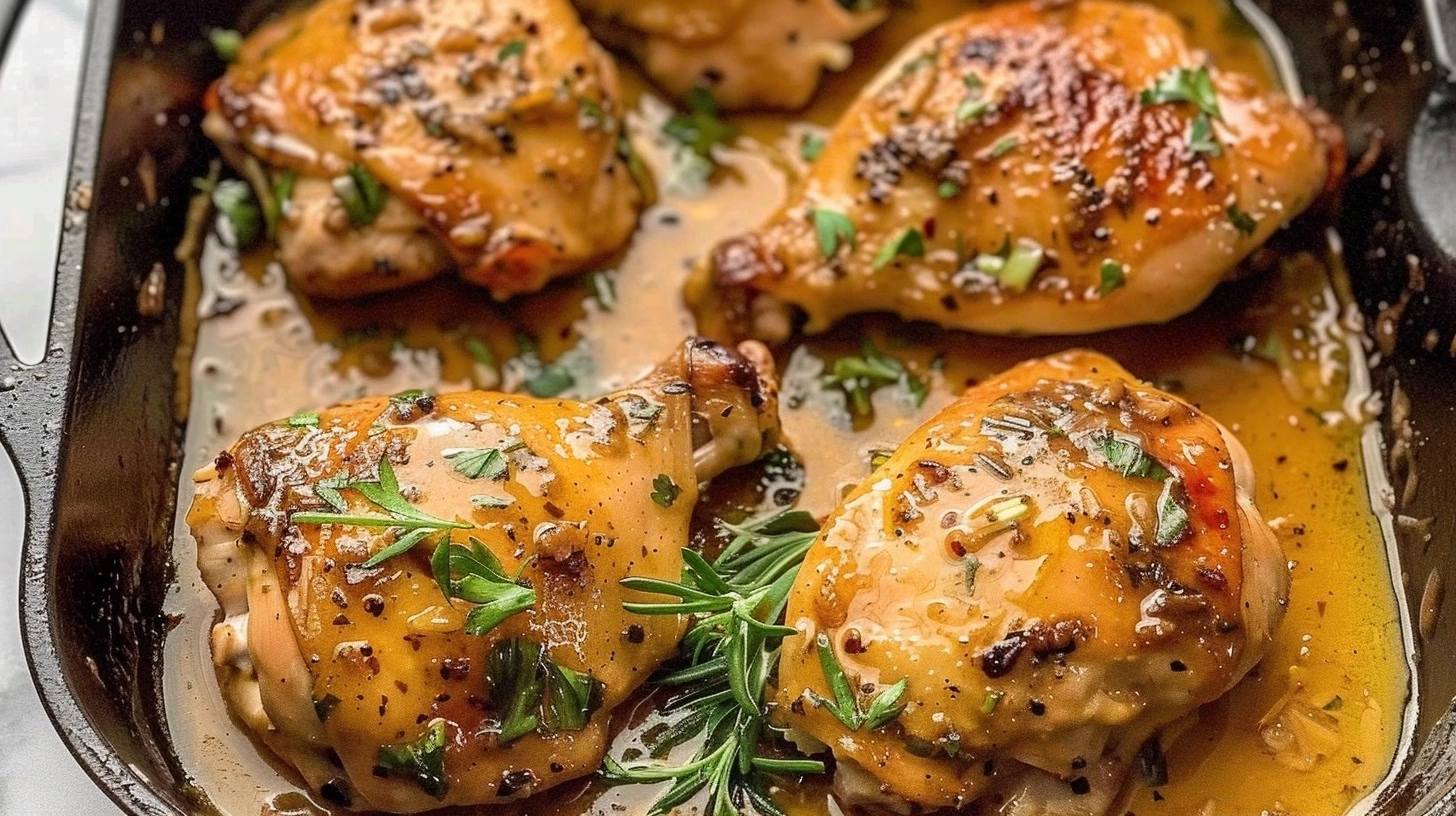
Maple Dijon Chicken
Ingredients
Method
- Preheat your oven to 400°F (200°C).
- Pat the chicken breasts dry with paper towels and season both sides with salt and pepper.
- In a small bowl, whisk together the maple syrup, Dijon mustard, dried thyme, and garlic powder.
- Heat olive oil in a large oven-safe skillet over medium-high heat.
- Sear the chicken for 3-4 minutes per side until golden brown.
- Pour the maple Dijon sauce over the chicken in the skillet.
- Transfer the skillet to the oven and bake for 10-15 minutes, or until the chicken reaches an internal temperature of 165°F.
- Remove from the oven and spoon the pan juices over the chicken before serving.