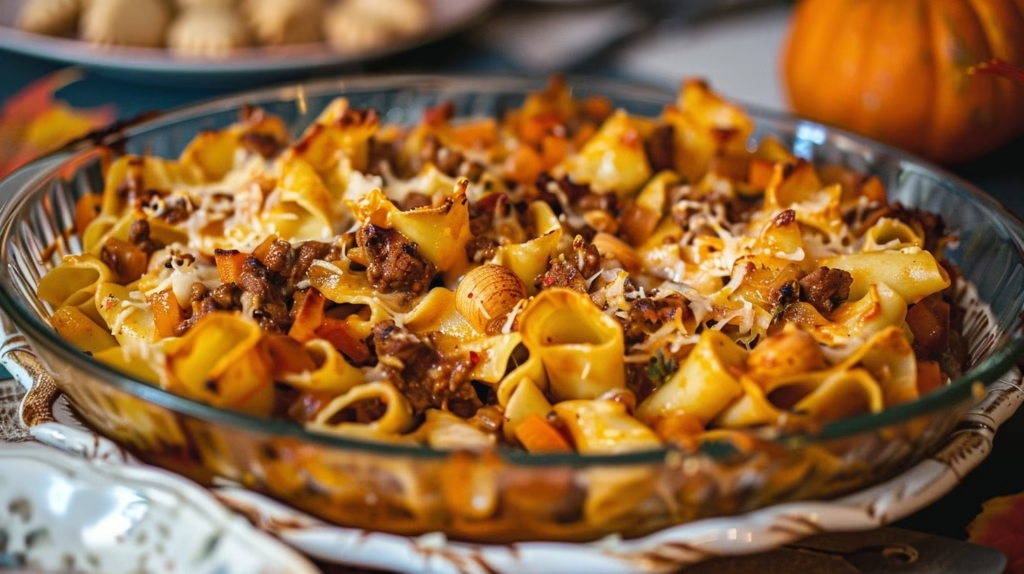
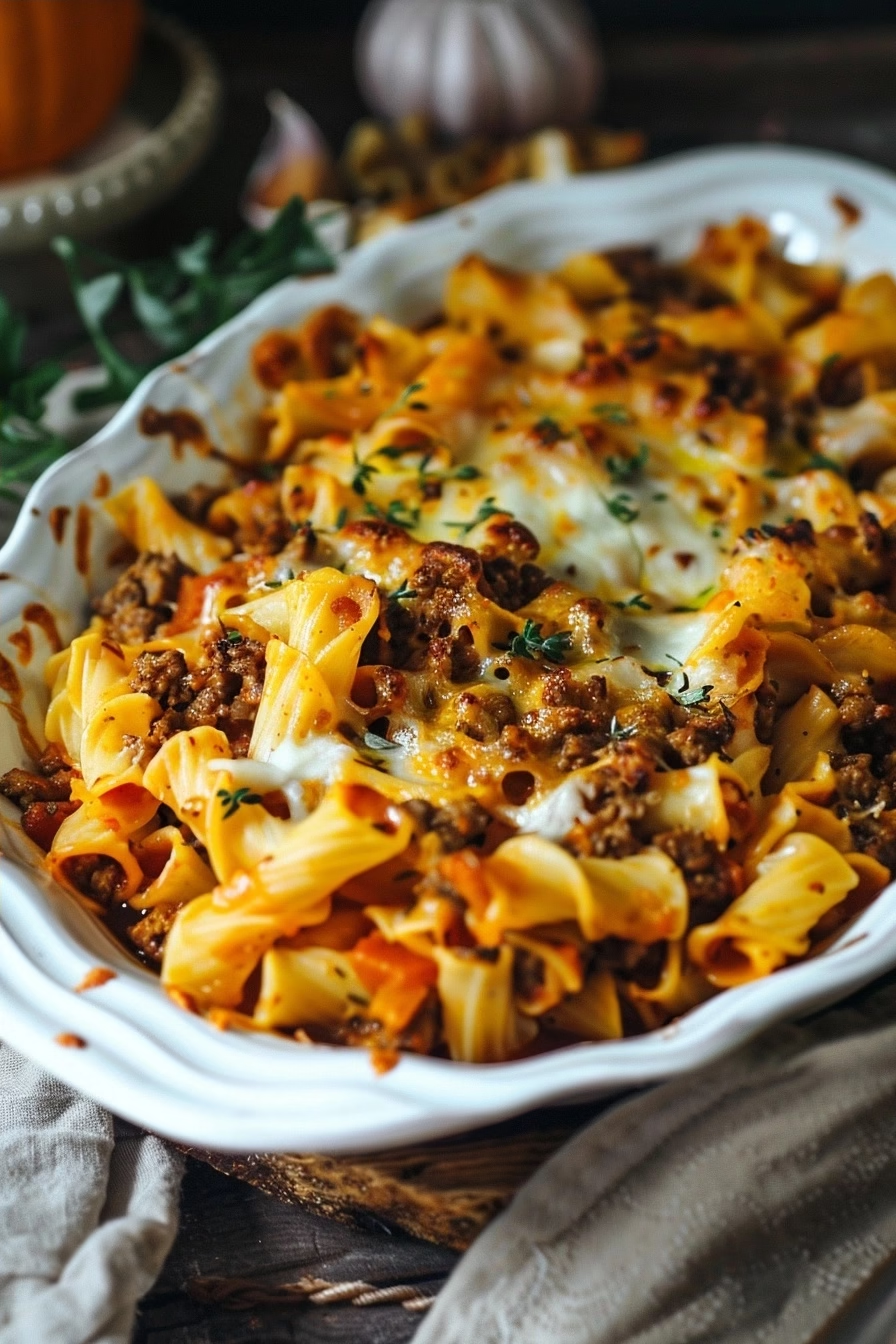
The Autumn Beef Pasta Bake is a robust, comforting meal featuring tender ground beef, seasonal butternut squash, and aromatic spices in a slow-simmered tomato sauce. This elegant dish combines the earthy sweetness of fall produce with the savory depth of traditional slow-cooked bolognese techniques, creating a refined dinner option for cool evenings. Serving this pasta bake provides a balanced and deeply satisfying culinary experience for your family.
Introduction to Autumn Beef Pasta Bake
This Autumn Beef Pasta Bake relies on a meticulous slow-cooking process that allows the beef to break down into a luscious, meaty sauce. The addition of butternut squash offers a velvety texture that contrasts beautifully with the firm pasta, providing a subtle natural sweetness to every bite. As the sauce simmers for several hours, the kitchen fills with the warm, inviting aroma of cinnamon and nutmeg, which perfectly defines the autumn season. Each serving delivers a harmonious balance of protein and vegetables that ensures a wholesome and filling dinner for anyone at your table.
Historically, pasta sauces built on aromatics and slow-cooked proteins have anchored Italian comfort cooking for generations. This particular version stands out because it incorporates seasonal squash, which elevates the dish from a standard bolognese to a sophisticated, celebratory meal. By choosing to layer these flavors rather than relying on heavy cream or excess fats, the recipe maintains a clean profile that highlights the quality of the beef and tomatoes. It serves as a modern evolution of rustic kitchen classics while remaining firmly rooted in traditional, time-honored cooking methodologies.
You should prepare this meal when you want to impress dinner guests or simply provide a comforting centerpiece for a busy weeknight. It is especially suited for cool autumn weekends when the extra time required for simmering allows you to relax and enjoy the changing season. Once you taste the depth of the finished sauce, this recipe will quickly become a permanent fixture in your rotation of cold-weather favorites. The combination of textures and temperatures makes it an ideal choice for anyone seeking a home-cooked experience that feels both indulgent and nutritious.
Why You’ll Love This Recipe
The star of this dish is the slow-cooked sauce, which develops an unparalleled depth of flavor by gently simmering with warm autumnal spices like cinnamon and nutmeg. These spices do not overpower the meat but instead bridge the gap between the savory tomatoes and the sweet butternut squash, creating a complex, well-rounded profile that defines seasonal cooking excellence. The result is a thick, luxurious sauce that clings to every strand of pappardelle for a perfect bite.
Beyond the flavor, you will appreciate the satisfying textural contrast between the tender, slow-braised beef and the soft, roasted cubes of butternut squash. The visual appeal is equally impressive, with vibrant orange squash pieces scattered throughout the rich red sauce, making every bowl look like an autumn masterpiece. Each forkful provides a multi-sensory experience that keeps you coming back for more, making it a reliable crowd-pleaser for any gathering.
The Perfect Weeknight Dinner
Despite the long simmering time, the actual hands-on effort for this recipe is remarkably low, requiring just a few minutes of active preparation. Once the pot is on the stove, it requires very little attention, allowing you to focus on other household tasks or simply unwind while the aroma fills your home. You can easily have this gourmet-level meal ready for the table with minimal stress after only a few simple initial steps.
This recipe is a stellar choice for meal prep because the flavor actually improves after resting in the refrigerator for a day or two. Busy families can prepare a large batch on Sunday and enjoy quick, hearty dinners throughout the week by simply boiling fresh pasta. Beginner cooks will find success here because the low-heat simmering process is very forgiving, ensuring a professional, deep-flavored result without needing advanced technical culinary skills.
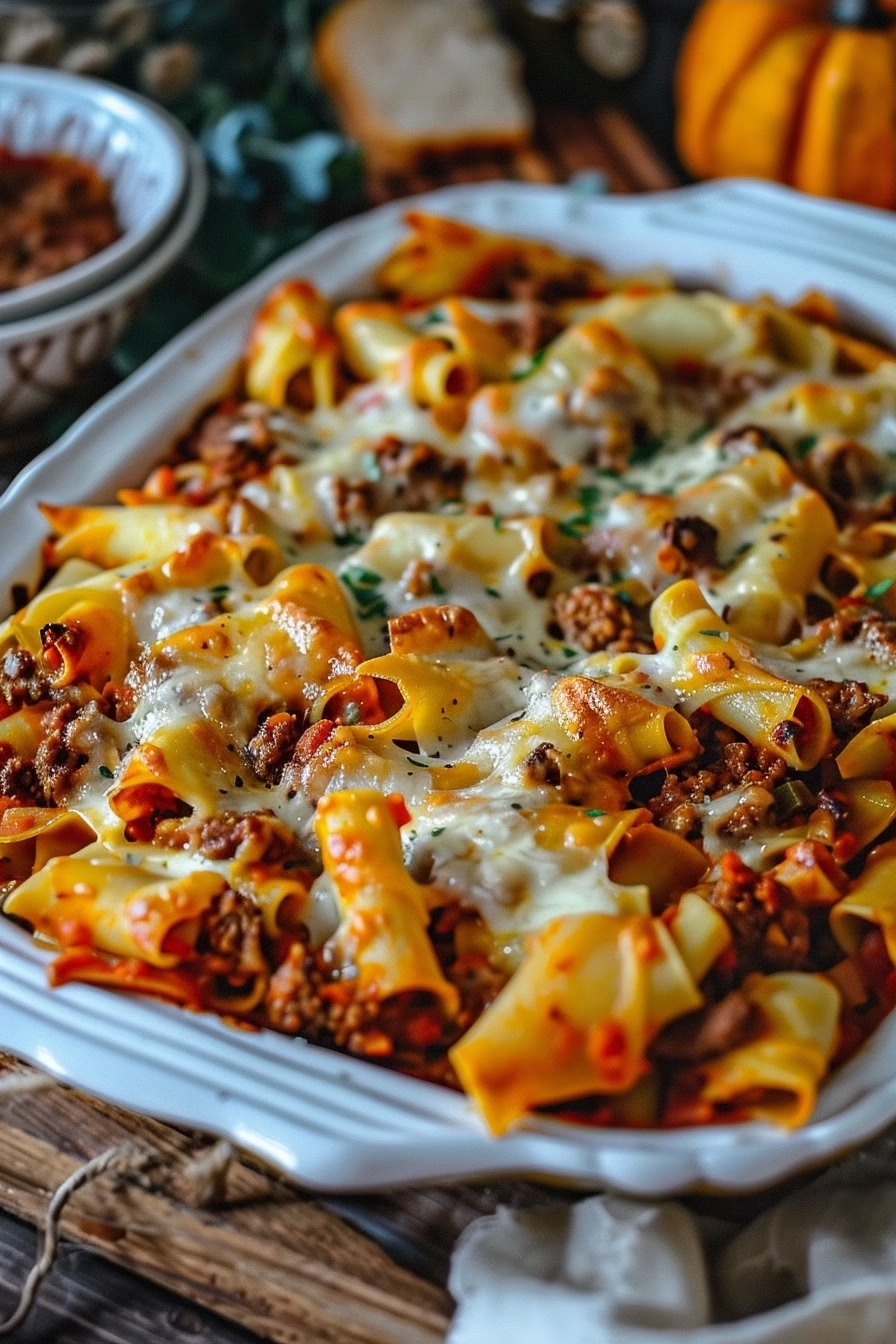
Ingredients Needed for Autumn Beef Pasta Bake
Gathering fresh, high-quality ingredients ensures that the final sauce achieves the depth of flavor required for this comforting autumn dish.
Main Ingredients
| Ingredient | Quantity | Notes |
|---|---|---|
| Ground Beef | 1 lb | Primary protein source |
| Butternut Squash | 4 cups | Adds seasonal sweetness |
| San Marzano Tomatoes | 28 oz | Base acidity and body |
| Yellow Onion | 1.5 cups | Essential aromatic foundation |
| Carrots | 1.25 cups | Provides subtle earthiness |
| Celery | 1.25 cups | Adds classic base flavor |
| Whole Milk | 1 cup | Promotes tenderness in meat |
| White Wine (Non-Alcoholic) | 1 cup | Deglazes pan for flavor |
| Nutmeg/Cinnamon | 0.25 tsp each | Warm autumnal spice notes |
Optional Add-Ins
Customizing your pasta bake allows you to adjust the nutritional profile and flavor intensity to suit your specific household preferences. Adding these extra elements can provide a unique twist that makes the dish feel even more personal.
| Ingredient | Quantity | Notes |
|---|---|---|
| Fresh Sage | 1 tbsp | Enhances autumnal earthiness |
| Red Pepper Flakes | 0.5 tsp | Adds a gentle warmth |
| Baby Spinach | 2 cups | Increases fiber and color |
| Toasted Walnuts | 0.5 cup | Provides a crunchy texture |
Ingredient Substitutions
- Ground beef can be substituted with ground turkey for a leaner profile, though you may need to add a touch more olive oil for moisture.
- Butternut squash can be swapped for roasted sweet potatoes, which will provide a similar texture but a slightly more intense sugary flavor.
- Whole milk can be replaced with almond or oat milk, though the sauce may lack the same level of rich, creamy finish.
- White wine can be replaced with a mixture of apple cider vinegar and vegetable broth to maintain the necessary acidity and depth.
Step-by-Step Cooking Instructions
Achieving the perfect sauce requires careful attention to the browning of the beef and the slow reduction of the liquid ingredients. Follow these phases to ensure that every layer of flavor develops fully throughout the cooking process.
Preparing the Protein and Aromatics
Start by heating your oil and butter in a heavy-bottomed pot until the fat is shimmering and ready for your vegetables. Add the finely chopped celery, carrots, and onions, stirring them frequently until they are fragrant and the onions have turned a soft, translucent color. Once the vegetables are prepared, incorporate the ground beef, breaking it apart with a wooden spoon until it has fully lost its raw red appearance. Season the mixture with freshly cracked black pepper at this stage to build a savory, spicy base for your sauce.
Building the Sauce Foundation
Pour the milk into the pot and stir constantly until the liquid has entirely bubbled away and been absorbed by the meat and vegetables. This step is crucial for achieving a tender texture in the beef, which prevents it from becoming tough during the long simmer. Once the milk is gone, stir in your nutmeg and cinnamon, allowing the heat to release their aromatic essential oils before deglazing with the non-alcoholic white wine. Continue cooking until the liquid has evaporated, ensuring you scrape the bottom of the pot to incorporate all the browned bits of flavor.
Simmering and Assembling
Add the chopped San Marzano tomatoes, their juices, and the diced butternut squash, stirring until everything is thoroughly combined in the pot. Bring the mixture to a gentle bubble, then turn the heat down to the lowest setting to begin the long, slow simmer. Cook uncovered for three hours, or until the liquid has reduced and the sauce has transformed into a thick, meaty, and luscious consistency. Taste your sauce carefully and adjust the salt and pepper levels before tossing with freshly cooked pappardelle pasta.
Pro Tips
Following these professional guidelines ensures your pasta bake succeeds every time you prepare it in your home kitchen. Taking shortcuts with the cooking time often results in a watery sauce that lacks the concentrated, deep flavor profiles we strive for.
- Use a heavy-bottomed Dutch oven for even heat distribution to prevent the sauce from scorching during the long three-hour simmering window. If you use a thin pan, the bottom will heat unevenly and lead to burnt patches that ruin the entire pot.
- Always peel and dice your butternut squash into uniform cubes so they cook evenly throughout the entire simmering process. Uneven sizes result in some pieces turning to mush while others remain slightly firm and undercooked in the center.
- Wait to salt the sauce until the final thirty minutes of cooking to ensure the flavor intensity is accurate after the reduction. Adding too much salt early on can cause the dish to become overly concentrated and unpleasantly sharp as the water evaporates.
- Toss the pasta with a small amount of the sauce before serving to ensure every noodle is perfectly coated and vibrant. Dry pasta can often taste bland, so getting the sauce integrated early creates a much more cohesive and satisfying dining experience.
- Grate your Parmigiano-Reggiano fresh from the block rather than using pre-grated cheese for the best melting texture. Pre-packaged cheeses contain additives that prevent proper melting and can negatively affect the final mouthfeel of your pasta dish.
The most important technique in this recipe is the long, slow simmer of the sauce without a lid on the pot. This process is essential because it allows moisture to escape, effectively concentrating the natural sugars in the tomatoes and squash while deepening the beef flavor. Rushing this stage will result in a thin, soup-like consistency that fails to coat your pasta with the desired richness.
Serving Suggestions and Variations
This dish pairs beautifully with sides that cut through the richness of the beef and highlight the earthy autumn notes. Serve your pasta bake alongside a crisp Garden Green Salad with a light vinaigrette to balance the hearty nature of the sauce. A side of Garlic Herb Focaccia is perfect for mopping up any remaining sauce left on the plate, while a portion of Roasted Brussels Sprouts adds a complementary bitterness that pairs well with the squash.
Creative Variations
For those who crave heat, add a tablespoon of red pepper flakes during the vegetable sauté stage to build a slow, lingering warmth. You can also incorporate chopped hot cherry peppers at the end of the cooking process for a bright, acidic kick. Experimenting with spice levels allows you to customize the dish for those who enjoy a bit of fire with their comfort food.
Swap the ground beef for ground lamb to give the sauce a more robust, gamey profile that pairs perfectly with the cinnamon and nutmeg. Alternatively, try using a blend of ground mushrooms and lentils for a hearty, meatless version that retains a dense, satisfying texture. Each protein choice changes the fundamental personality of the bake, making it a versatile platform for your favorite ingredients.
Check out our other seasonal favorites like Butternut Squash Risotto or Autumn Vegetable Soup for more ways to use fall produce. If you want a protein-heavy alternative, our Beef and Mushroom Ragout is another excellent choice for slow-cooked dinners. For a perfect dessert pairing, serve a slice of Spiced Apple Cake to round out your seasonal dining experience.
Nutritional Information
These values are calculated based on a standard serving size of one bowl, assuming eight total servings per batch.
| Nutrient | Amount per Serving |
|---|---|
| Calories | 540 kcal |
| Protein | 28g |
| Fat | 18g |
| Carbohydrates | 65g |
| Fiber | 6g |
| Sugar | 9g |
| Sodium | 450mg |
These are approximate values and may vary depending on specific ingredients used.
FAQ
How can I substitute the ground beef in this Autumn Beef Pasta Bake?
You can successfully substitute the ground beef with ground turkey or a combination of finely chopped mushrooms and cooked brown lentils. Ground turkey provides a lighter flavor profile while maintaining a similar texture for the base of the sauce. If you prefer a vegetarian version, the mushroom and lentil blend offers an earthy, umami-rich experience that holds up well during the long simmering process. Ensure you adjust your seasoning levels slightly to compensate for the difference in natural fat content provided by the beef.
Is there a vegetarian version of this pasta recipe?
You can create a delicious vegetarian version by replacing the beef with a mixture of portobello mushrooms, walnuts, and cooked beluga lentils. These ingredients provide the necessary density and savory depth that usually comes from the ground meat in the original recipe. Follow the same cooking instructions, focusing on caramelizing the mushrooms thoroughly to develop a rich, dark base for the sauce. This variation maintains the comforting, autumnal theme while catering to plant-based dietary preferences with ease.
What is the best way to store leftovers for later?
Leftovers should be stored in an airtight container in the refrigerator to maintain freshness and safety for up to three days. When you are ready to eat, reheat the pasta bake gently on the stove over low heat, adding a splash of water or broth to loosen the sauce. Avoid using the microwave if possible, as it can cause the pasta to become soft and the beef to lose its tender texture. Properly cooled and stored, the flavors often become even more pronounced after a day in the refrigerator.
Can I make this dish ahead of time for a dinner party?
This recipe is an excellent candidate for making ahead of time because the sauce actually benefits from sitting in the refrigerator overnight. You can prepare the sauce fully the day before, store it properly, and then simply boil the fresh pasta just before you are ready to serve. This strategy allows you to focus on your guests while still providing a meal that tastes like it has been simmering for hours. Simply reheat the sauce separately while your pasta water comes to a boil for the best results.
Why is my sauce too thin even after simmering for three hours?
A sauce that remains too thin is usually caused by using a pot with too much surface area or not maintaining a steady simmer. Ensure that your pot is uncovered during the entire cooking process to allow the moisture to evaporate correctly into the air. If it still appears too thin after three hours, you can increase the heat slightly to encourage faster reduction without burning the base. Remember that the presence of vegetables like squash and onions should naturally thicken the mixture, so ensure you have used the correct ingredient ratios.
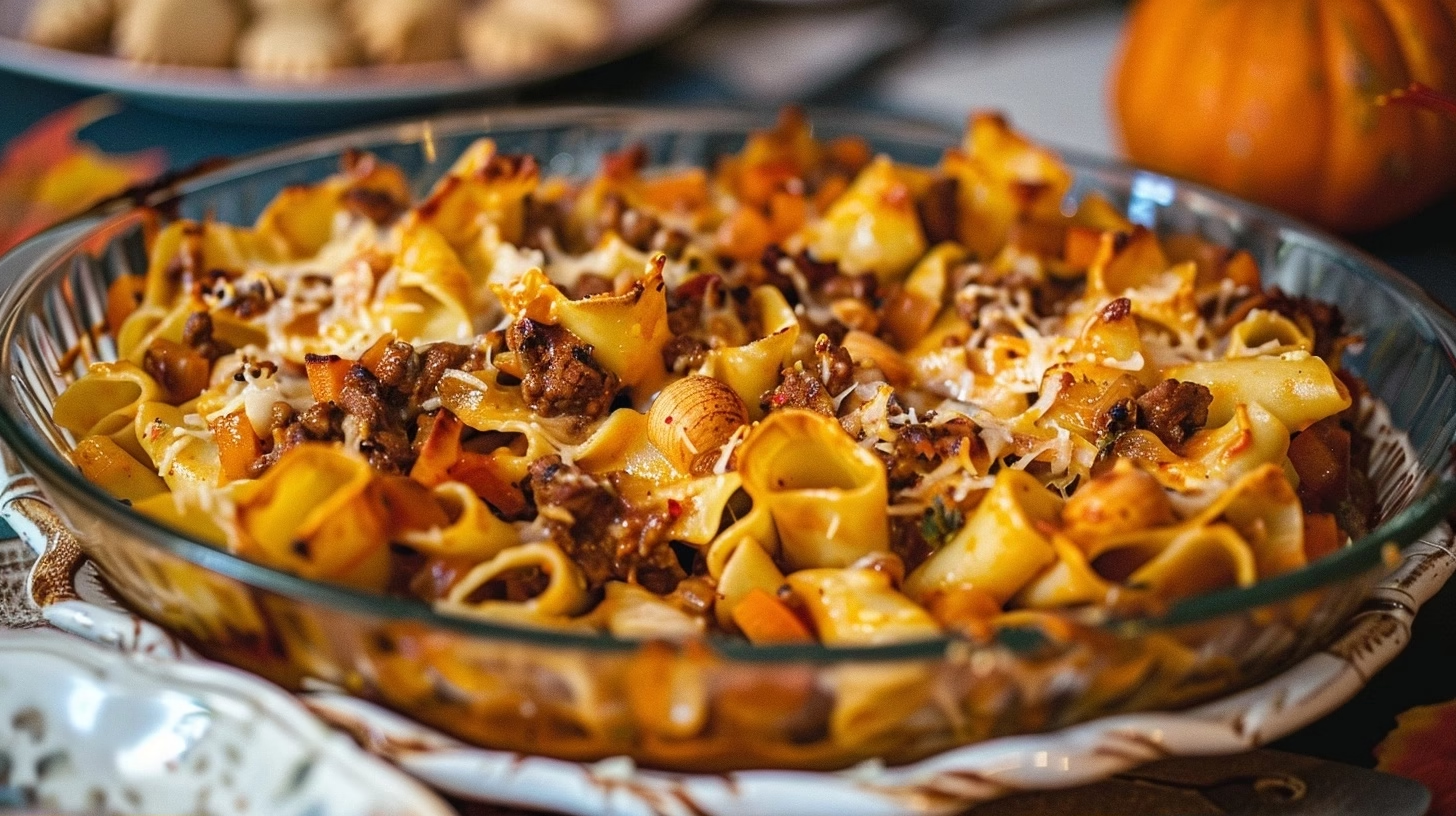
Autumn Beef Pasta Bake
Ingredients
Method
- Preheat your oven to 375°F (190°C).
- Toss butternut squash cubes with olive oil, salt, and pepper, then roast for 25 minutes until tender.
- In a large pot, brown the ground beef over medium heat until fully cooked; drain excess fat.
- Add onions and garlic to the beef, sautéing until softened.
- Stir in the crushed tomatoes, cinnamon, and nutmeg, then simmer on low heat for at least 60 minutes to develop depth.
- Cook the pappardelle pasta in boiling salted water until al dente; drain.
- Combine the pasta, meat sauce, and roasted butternut squash in a large baking dish.
- Top with grated Parmesan cheese.
- Bake for 20 minutes until the top is golden and bubbling.
- Garnish with fresh parsley before serving.