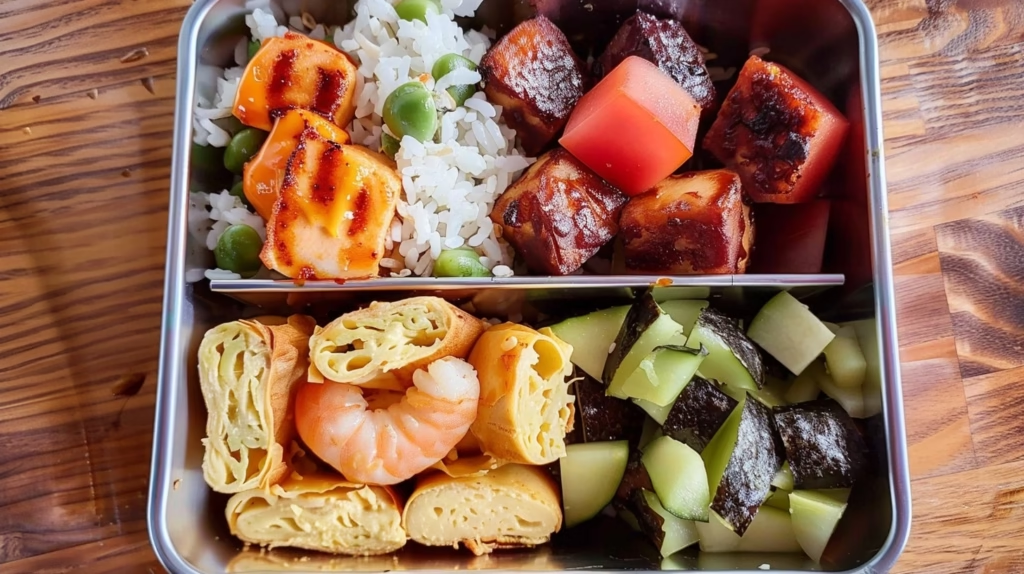
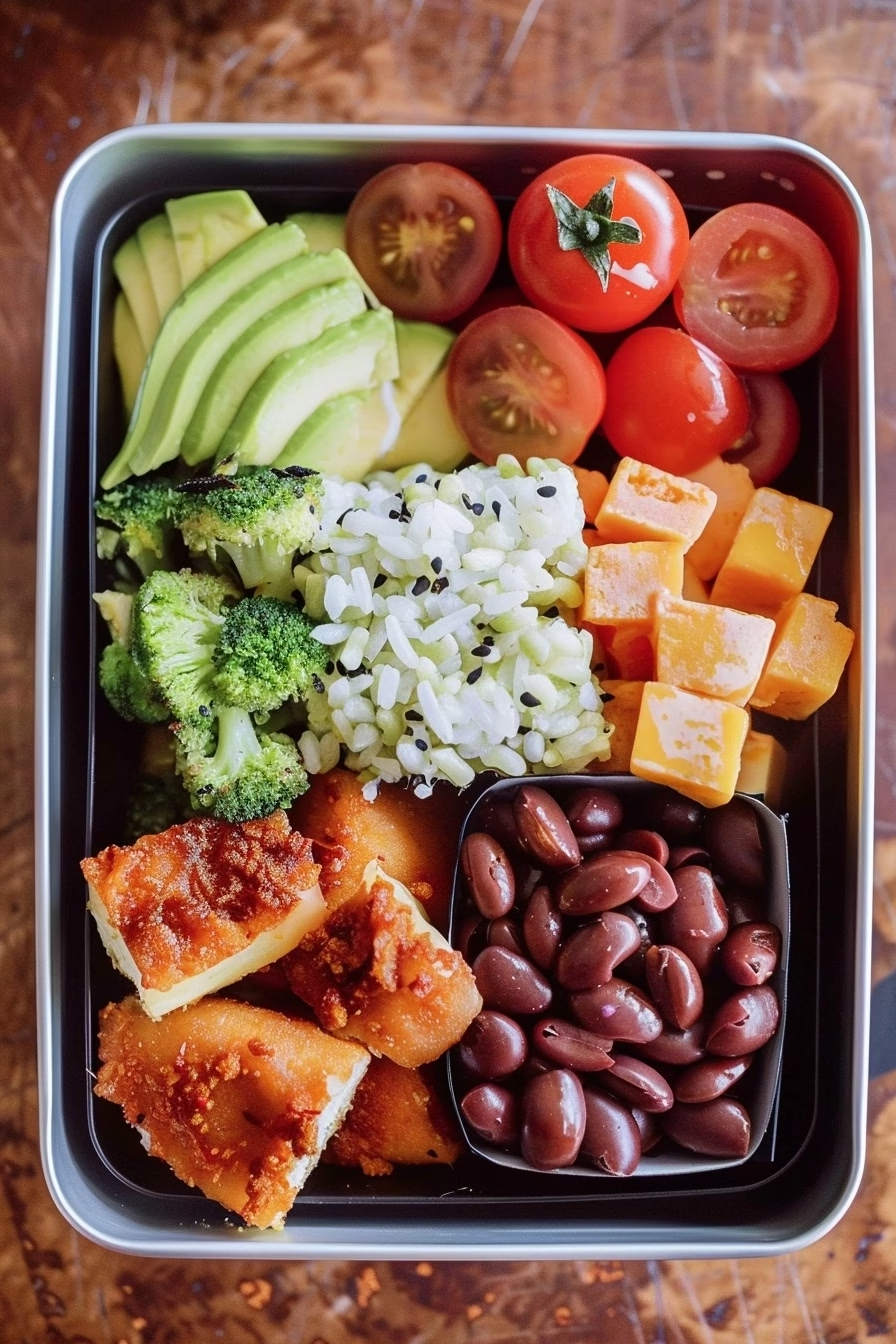
A DIY Bento Box Lunch consists of a compartmentalized container filled with balanced portions of protein, fresh produce, grains, and snacks designed for transportable meals. These customizable arrangements provide an efficient way to organize healthy portions for work, school, or travel while ensuring variety in your daily food intake. Using portable vessels makes healthy eating accessible at home or away.
Introduction to DIY Bento Box Lunch
The DIY Bento Box Lunch represents a versatile approach to nourishment that prioritizes both visual appeal and nutritional balance in every single bite. You will discover layers of crisp fresh vegetables paired with savory proteins and soft grains that create a delightful experience during your hectic midday break. The natural aromas of these ingredients remain fresh thanks to the sealed environment of specialized containers that protect delicate components until serving time arrives. This method transforms the mundane act of eating a packed lunch into a structured culinary occasion that feels restorative and truly deeply satisfying.
Originating from the Japanese tradition of portable meals, the modern bento culture emphasizes preparation, portion control, and aesthetic harmony within a compact, divided container format. Unlike many standard lunch bags that result in soggy sandwiches or jumbled components, bento style packaging keeps distinct textures and temperatures separated for optimal enjoyment. This global food phenomenon highlights the value of diversity within a single meal, allowing you to sample multiple flavors without sacrificing overall coherence or freshness standards. You will find that this culinary style stands out because it encourages mindfulness while eating due to the intentional arrangement of every specific item.
This specific meal strategy serves professionals seeking efficient lunch solutions, busy parents packing school snacks, and students demanding quick sustenance during rigorous academic days. The system adapts perfectly to weekly meal rotations because it allows for rapid assembly using leftovers or seasonal pantry staples you have on hand already. You deserve a lunch routine that eliminates decision fatigue while simultaneously ensuring you consume high quality nutrients throughout your productive afternoon hours of work. Once you adopt the bento habit, you will never want to return to boring, disorganized lunches that leave you feeling uninspired or hungry.
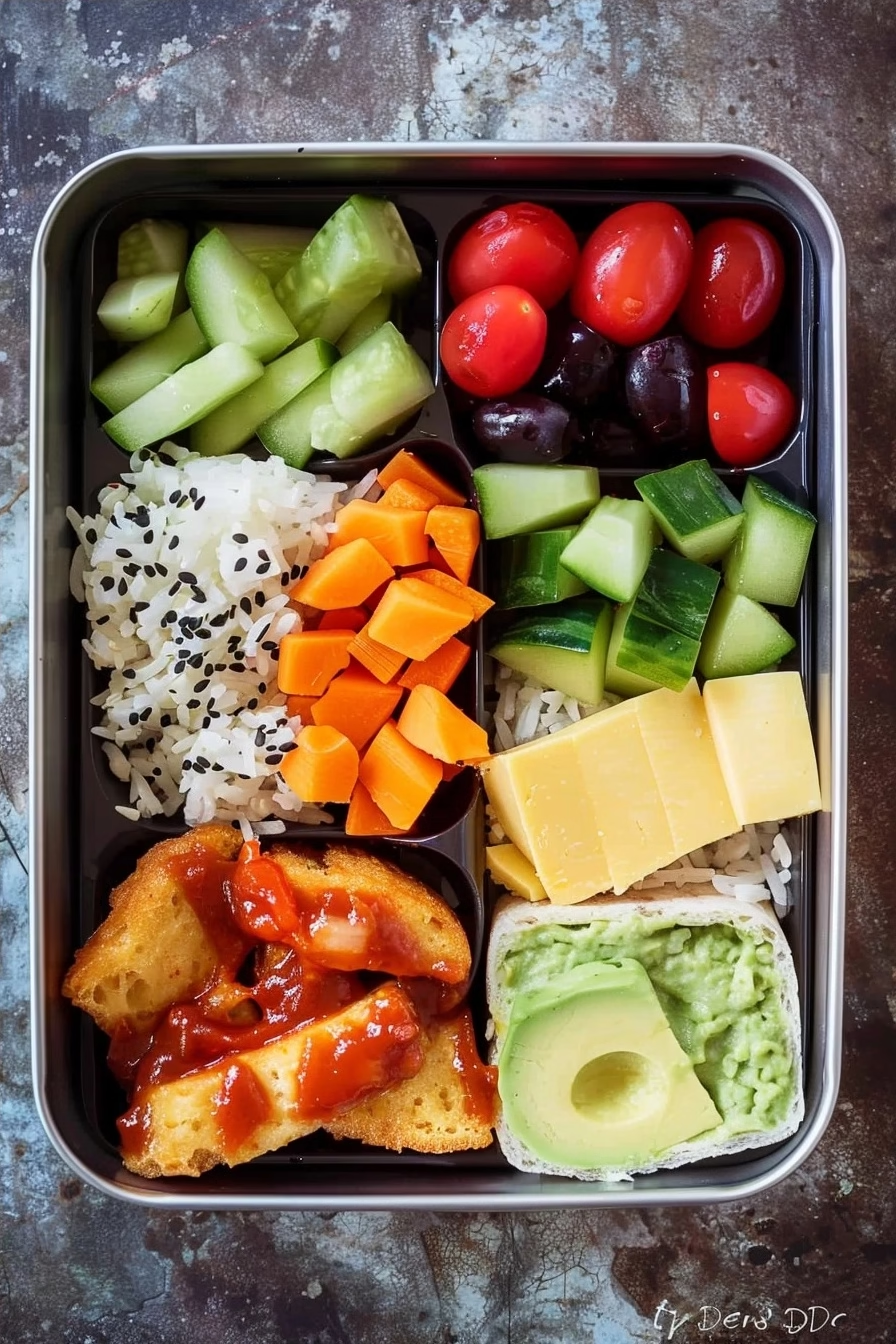
Why You’ll Love This Recipe
The primary advantage of this bento technique involves the specific combination of high protein items paired with fresh local produce to sustain your energy levels throughout the afternoon. Each container provides a substantial flavor payoff by contrasting the saltiness of cured deli slices or beans against the natural sweetness of fresh fruit. You gain immense control over every single ingredient, ensuring that your customized box meets your specific dietary needs while keeping things incredibly exciting every single day.
You will cherish the intentional texture contrasts that make every single component feel deliberate and refreshing rather than monotonous or repetitive during your lunch break. The visual appeal of organized colors creates a stimulating dining experience that encourages you to slow down and appreciate the variety within your reach. Multiple layers of flavor and substance satisfy the palate on several levels, ensuring you remain full and focused long after you finish the final bite.
The Perfect Weeknight Dinner
Preparing a DIY Bento Box Lunch requires minimal effort and consistently takes under thirty minutes from start to finish when you organize your ingredients efficiently. The simple assembly process eliminates complex cooking techniques, allowing you to focus on arranging fresh colors and components into your preferred containers for maximum visual impact. You will appreciate how quickly these meals come together, leaving you with extra time to relax before the following busy day begins in earnest.
This recipe system works exceptionally well for meal prep enthusiasts who need to pack five days of sustenance in a single efficient session during Sunday evening. Families will love the ability to customize each box based on individual preferences, ensuring that every person enjoys their lunch without any complaints or leftover scraps. Beginners find this approach extremely approachable because it removes the pressure of cooking elaborate meals while still offering a balanced, healthy intake every day.
Ingredients Needed for DIY Bento Box Lunch
Main Ingredients
These core ingredients form the foundation of your nutritious bento meals by providing essential macronutrients and satisfying flavor profiles across all six distinct box options.
| Ingredient | Quantity | Notes |
|---|---|---|
| Deli Turkey | 3 slices | High protein base |
| Cheese Cubes | 0.5 cup | Adds calcium/fat |
| Grapes | 0.5 cup | Fresh sweet snack |
| Crackers | 0.5 cup | Complex carbohydrate |
| Quinoa | 0.5 cup | Protein rich grain |
| Hummus | 0.25 cup | Healthy plant fats |
| Hard Boiled Egg | 1 piece | Protein quality boost |
Optional Add-Ins
Customization allows you to tailor your bento lunch to your unique evolving tastes or to utilize available seasonal produce from your garden. These optional add-ins provide an opportunity to experiment with new textures or flavors while maintaining the core nutritional pillars of your bento box plan.
| Ingredient | Quantity | Notes |
|---|---|---|
| Sunflower Seeds | 1 tbsp | Adds satisfying crunch |
| Bell Peppers | 0.25 cup | Increases vitamin C |
| Dried Cranberries | 1 tbsp | Sweet tart finish |
| Edamame Beans | 0.25 cup | Fiber rich protein |
Ingredient Substitutions
You can easily modify these recipes based on availability of ingredients or specific dietary preferences to ensure your bento routine remains consistently enjoyable and sustainable.
- Replace deli turkey with roasted chickpeas to provide a vegetarian protein source that maintains a similar savory profile without any processed meat additives.
- Switch grapes for fresh blueberries to alter the natural sweetness, as blueberries offer higher antioxidant content and a different pop of color.
- Substitute quinoa with brown rice if you prefer a chewiness that holds up well for several days inside a refrigerated lunch container vault.
- Swap seed butter for tahini to create a nut free creamy dipping option that works perfectly with your fresh carrots and snap pea sides.
Step-by-Step Cooking Instructions
Follow these logical phases to assemble your boxes, ensuring each component remains fresh and appetizing until you are ready to consume your delicious meal. The process focuses on layering textures to prevent sogginess while maximizing space utilization within your chosen portable container system for the most effective storage results.
Preparing the Protein Fillers
Begin by cooking your eggs until the yolks reach a firm but creamy consistency, then immediately plunge them into an ice bath for ten minutes. Prepare your quinoa by boiling it in water until the grains become fluffy and translucent with a slight resistance when you bite into them. Season your cooked quinoa and chickpeas thoroughly with salt and pepper to ensure that every single bite delivers consistent depth and savory interest. Slice your turkey or salami into uniform pieces to ensure they fit neatly within the designated sections of your chosen bento box containers.
Assembling the Raw Components
Wash all your fresh vegetables and fruits under cold running water before patting them completely dry with a paper towel to remove excess moisture. Slice your cucumbers and apples into consistent shapes that will stay fresh longer when stored next to your protein sources in the lunch boxes. Arrange the hummus or nut butter into small separate cups to prevent them from making the crackers or vegetables soggy during the storage period before lunch. Check the colors and textures of your produce to ensure a vibrant mix that looks visually appealing when you open the lid later on.
Final Packaging and Storage
Place your protein, grains, and produce items into their respective compartments, ensuring that moist ingredients do not touch dry items like your crispy crackers. Seal each container with an airtight lid to lock in the freshness and prevent flavor cross contamination between the different types of food items. Store your assembled boxes in the coldest part of your refrigerator until you are ready to head out for your busy workday or school schedule. Ensure your lunch is kept in an insulated cooler bag with a small ice pack if you cannot immediately refrigerate it upon reaching your destination.
Pro Tips
Achieving success with bento lunches requires careful attention to detail during the preparation phase to maintain the integrity of each individual ingredient. You must follow these expert strategies to guarantee your meals remain as fresh as the moment you first finished packing them into their specialized containers.
- Always dry your fresh produce completely to prevent moisture buildup which can cause leafy greens or crackers to become unappealingly soggy during storage. This step effectively preserves the crisp texture of your vegetables by preventing the growth of excess water around your delicate ingredients during the day.
- Use silicone muffin liners to separate smaller ingredients inside your bento box for better organization and easier cleaning of the box after lunch. These liners hold small items like olives or berries in place and prevent them from migrating into the other sections of the container.
- Batch cook your grains on Sunday so you have a ready base for your bento boxes throughout the entire week of busy work days. Having pre-cooked quinoa or rice saves significant time and makes it easier to stay committed to your healthy eating goals every single day.
- Keep your protein sources chilled to ensure they remain safe and tasty until your designated lunch break happens during the middle of the day. Proper temperature control prevents spoilage and keeps your food tasting fresh rather than flat or unappetizing due to fluctuating environmental conditions during transport.
- Vary the colors of your ingredients to ensure you are getting a wide array of vitamins, minerals, and phytonutrients for your overall body health. Using diverse colors naturally leads to a more balanced meal that visually inspires you to eat well throughout the entire work week cycle.
The most important technique in this entire bento process involves proper moisture management throughout every layer of your storage container. You must prioritize keeping wet components away from dry components at all times to preserve the texture of every single food item included. Mastering this single mechanical separation will transform your lunch experience from soggy and unappealing to restaurant quality freshness every time you take a bite.
Serving Suggestions and Variations
Pairing with Sides
Complete your meal by serving these bento boxes with a light liquid component like a thermos of Spiced Vegetable Broth to warm you up. You might also enjoy pairing your lunch with a crisp Cucumber Salad that adds a bright acidity to cut through the richness of the cheese. Finally, consider a piece of fruit like a pear or a small handful of almonds to round out the nutritional profile of your meal perfectly.
Creative Variations
Elevate the spice profile of your bento boxes by tossing your chickpeas or quinoa in a touch of smoked paprika or crushed red pepper flakes. This simple addition introduces a warm, smoky depth that complements the savory protein sources without requiring any lengthy cooking times or complex additional techniques. Focus on consistency when distributing these spices to ensure that every grain or bean provides a balanced kick in each bite.
Swap the deli turkey for smoked tofu or grilled chicken breast stripes to drastically change the flavor profile and nutritional density of your bento box. These protein swaps maintain a similar structural integrity while offering entirely new textures and tastes that prevent your weekly lunch rotation from ever feeling stale or repetitive. Feel free to experiment with different seasoning blends until you find the exact protein combination that fuels your body best during your busiest days.
Explore more lunch options by checking out our Easy Quinoa Salad or the refreshing Crunchy Garden Wraps which provide excellent variety for your meal prep schedule. Finish off your nutritious lunch with a satisfying treat like some Honey Yogurt Parfait for a naturally sweet conclusion that leaves you feeling good and highly energized. These combinations ensure you enjoy a diverse set of flavors throughout your week while keeping your preparation efforts efficient and your food quality consistently high.
Nutritional Information
These values represent approximate nutritional estimates for one standard bento box serving as described in the primary recipe instructions provided within this guide.
| Nutrient | Amount per Serving |
|---|---|
| Calories | 450 kcal |
| Protein | 22g |
| Fat | 18g |
| Carbohydrates | 48g |
| Fiber | 9g |
| Sugar | 6g |
| Sodium | 750mg |
These are approximate values and may vary depending on specific ingredients used.
FAQ
How can I substitute ingredients in a DIY Bento Box Lunch?
You can substitute ingredients by matching the primary macronutrient profile of the original item with a similar alternative that you prefer. For example, swap cucumbers for bell peppers to maintain the crunch while altering the flavor, or change turkey to chickpeas for plant based protein. Ensure the substituted ingredient holds up well in refrigerated storage without losing its structural integrity or moisture content overnight. This flexibility allows you to rely on seasonal produce or items currently available in your pantry for a fresh meal.
Is a DIY Bento Box Lunch suitable for vegetarian diets?
The bento box format is extremely well suited for vegetarian diets because you can easily swap meat proteins for beans, nuts, or legumes. You can use chickpeas, hard boiled eggs, or edamame as high quality protein sources to keep your meal satisfying and nutritionally dense daily. Simply replace any deli meat with these plant based or dairy based alternatives to create a filling lunch that aligns perfectly with your needs. This adaptation maintains the original structure of the meal while honoring your specific dietary preferences without any reduction in overall satisfaction.
How long can I store a prepped DIY Bento Box Lunch in the fridge?
You can securely store these bento boxes in the refrigerator for up to three days while maintaining optimal food quality and ingredient freshness. It is essential to use airtight, sealed containers to prevent cross contamination and keep ingredients like crackers or bread from absorbing excess moisture from the vegetables. If you use ingredients like avocado or fresh apple slices, apply a little lemon juice to prevent browning and maintain a fresh appearance for longer. Always inspect your food before consuming if you have stored it for the maximum three day duration to ensure everything remains perfect.
What is the best make ahead strategy for bento lunches?
The most effective make ahead strategy involves setting aside one consistent time block during your week to prep all your core components simultaneously. Boil your eggs, prep your grains, and wash your vegetables in a single session so you can assemble the boxes rapidly each morning. Keep your containers in a dedicated section of your refrigerator for immediate access when you are rushing out of the house for work. This organized approach significantly reduces the time you spend in the kitchen and ensures you have healthy food ready for every lunch break.
How do I troubleshoot a common problem like soggy crackers or bread?
You can easily troubleshoot soggy crackers by using small airtight silicone cups to separate them from moist items like fresh fruit or cut vegetables. Packing your dry items in a separate compartment or bag within the main container prevents unwanted moisture transfer that leads to texture loss in your snacks. Ensure all your produce is completely dry after washing before you arrange them inside the box to minimize the total ambient humidity level inside. This simple physical separation guarantees that your crackers remain perfectly crunchy every single time you open your lunch box for your midday meal.
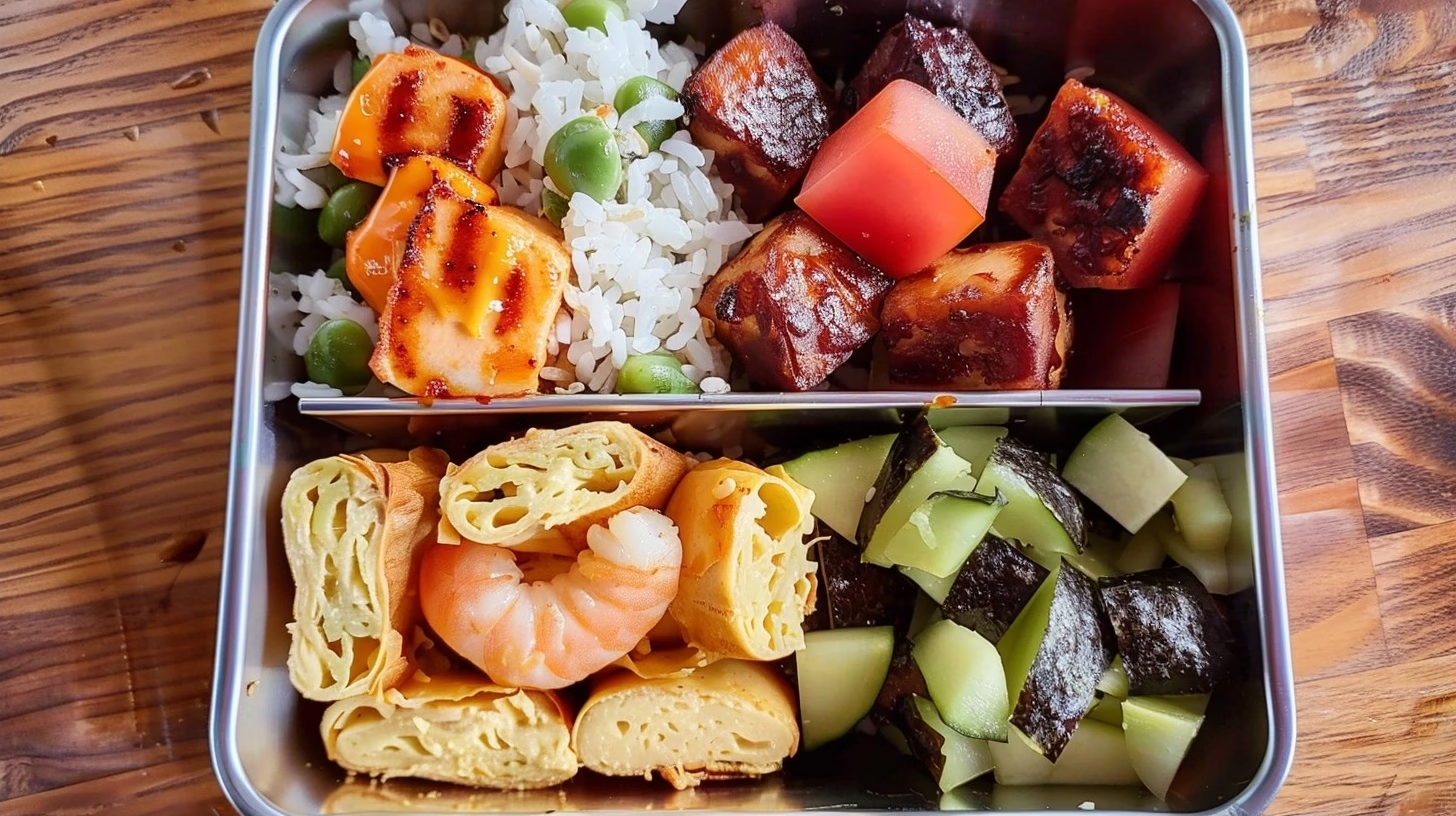
Balanced Mediterranean Power Bento Box
Ingredients
Method
- Place the cooked chilled quinoa into one large compartment of the bento box.
- Arrange the sliced grilled chicken in a secondary compartment.
- Pack the cucumber slices, bell pepper strips, and cherry tomatoes into the smaller decorative divisions.
- Add the dollop of hummus to a small leak-proof container or corner pocket.
- Fill the remaining space with fresh grapes for a refreshing finish.
- Seal the container and keep chilled until ready to serve.